Tea Leaves · THE WUZHISHAN JOURNAL
Loose Leaf or Tea Bags? Choose for Your Real Day
Compare loose tea, bags, sachets, and portion packs for a busy kitchen, office, or weekend pot, including cleanup, value, and the details worth checking.
This guide includes retailer links. Links marked “affiliate” may earn us a commission at no extra cost to you. Read our link disclosure and editorial policy.
In this guide
At home on Saturday, measuring tea into a pot feels like part of the pleasure. In a shared office kitchen on Monday, you want a mug you can make without leaving a trail of wet leaves. The choice between loose leaf and tea bags is often presented as a contest, when it is more useful to think of two formats serving different moments.
Start with how you prepare, drink, and clean up your tea. Then compare products rather than assuming the format alone establishes quality.
Separate the leaf from the package
A bag, sachet, or tin tells you how the tea is presented. It does not give a complete account of the ingredient, processing, storage, or flavor. A convenient bag can contain a tea you enjoy, while an expensive loose-leaf packet can contain a style that does not suit your taste.
Read the actual product description and ingredients. If you are comparing the same named tea across formats, check whether the seller describes them as the same blend. Similar names do not guarantee an identical formulation or portion.
Leaf size can influence brewing, but large leaves are not automatically the best choice for every cup. A robust breakfast blend and a slowly unfolding oolong have different practical uses. The useful question is whether the product performs the way you want when brewed as directed.
Loose leaf gives you portion flexibility
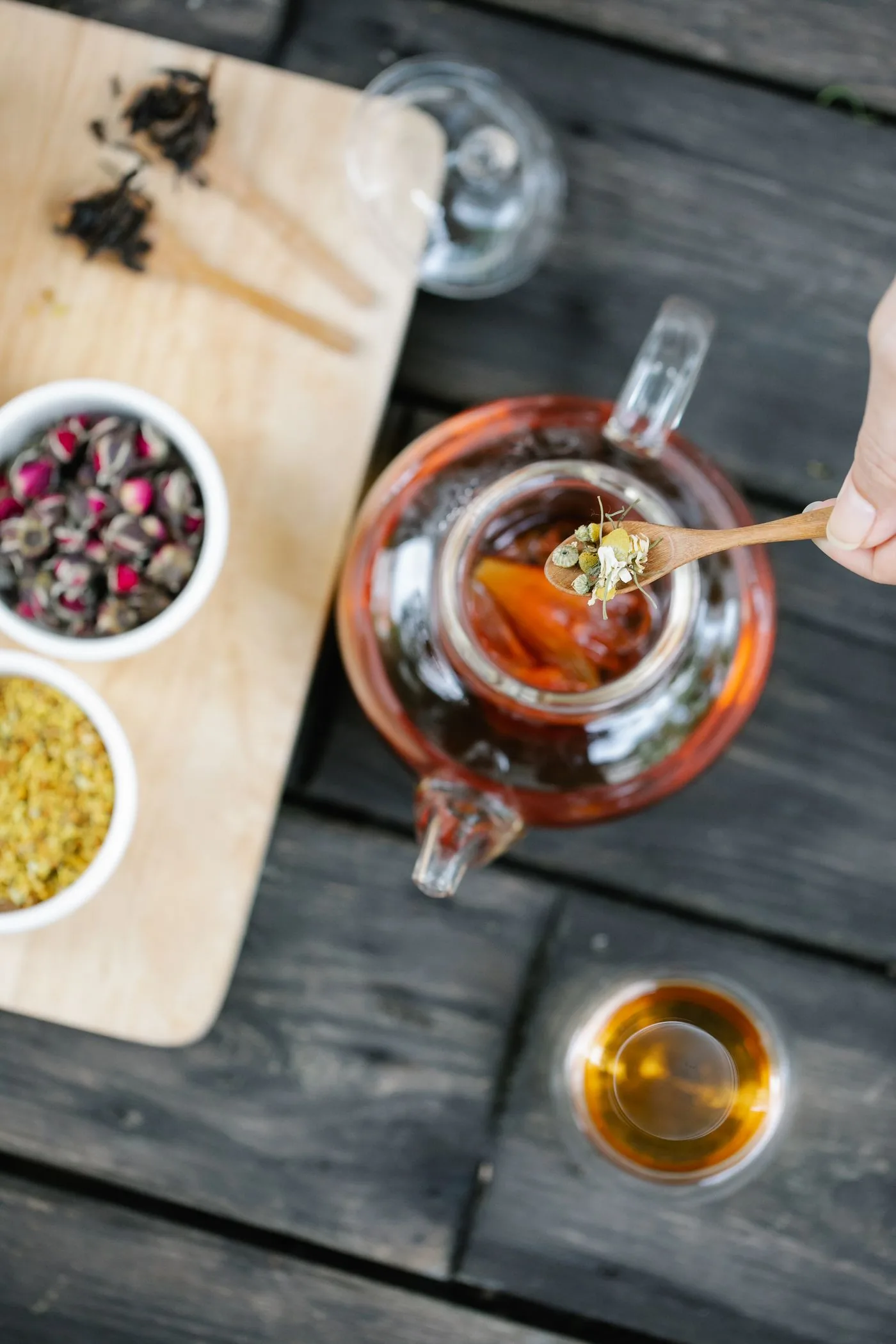
With loose tea, you can adjust the amount for a small cup, a large mug, or a shared pot. You can also explore a wide specialist range and use the brewing vessel you prefer. A roomy basket makes this manageable without requiring elaborate equipment.
That flexibility comes with responsibility. You need to measure a repeatable portion, give the leaf space, remove it when the infusion is ready, and empty the basket afterward. If you already resent cleaning a fine strainer, buying more loose tea will not make that step disappear.
One practical home arrangement is a mug, basket, and small dish for draining. Our guide to brewing loose-leaf tea shows how to keep the process compact. Try the routine with one small pack before purchasing a cupboard of different leaves.
Bags and sachets reduce handling
A prepared bag gives you a ready portion and a straightforward way to remove the tea. That is useful at a desk, when traveling, or when several household members want separate mugs. Check the packet’s intended water volume; a single bag may not be designed for your largest insulated cup.
Sachets and bags differ in size and construction. Look for information from the manufacturer if material, disposal, or filtration is important to you. Avoid assuming that a shape, a premium label, or a broad environmental claim answers those questions.
You still need a timer and somewhere to put the used bag. Leaving it in your mug throughout a meeting can change the cup just as leaving loose leaves soaking would. Convenience makes the handling simpler; it does not remove the need to follow a brewing recipe.
Portion packs sit between the two
Premeasured loose-leaf portions provide a fixed serving of loose tea that you still brew in your own infuser. Adagio’s portion range is one example of this format. It can be useful when you want to carry a measured amount without taking a whole tin to work.
Check what is included before ordering. A packet of measured leaves is not necessarily a bag you can drop directly into water. You may still need an infuser and a suitable place to clean it.
The format can help with consistent first comparisons, but individual packaging may be less appealing if you already measure tea confidently at home. Buy it to solve a real handling problem, not simply because it looks tidy in a photograph.
Compare value by the cup you actually make
Price per gram is useful for comparing similar loose teas, but it is not the whole calculation across formats. Consider the portion you use, the water volume, whether you genuinely enjoy another infusion, and the delivered total. Do not count hypothetical repeat cups that you never make.
An inexpensive large pack becomes poor value when the tea goes unused. Equally, a more convenient format may be worth its cost if it replaces an unwanted cafe purchase and makes your day easier. Keep those comparisons personal and practical rather than treating one format as universally economical.
Our guide to buying tea online explains how to check pack sizes and shipping. Save the brewing instructions when you transfer a refill so that the new container does not separate you from useful information.
Buying advice: let two formats coexist
If you enjoy an unhurried pot at home and need speed at work, buy accordingly. Start with one loose tea you like and one convenient workday option. You do not need identical selections for both settings.
Prioritize a clear ingredient list, reliable instructions, suitable portions, and a format you can store and clean up comfortably. Skip oversized bundles, novelty infusers that restrict the leaves, and environmental claims that lack specific disposal guidance. Consistent enjoyment is a better basis for the next order than a rigid loyalty to one type of package.
Questions about format
Can I open a tea bag and use the contents in an infuser?
You can change the brewing arrangement if the product permits, but finer material may pass through a coarse basket. It does not automatically improve the cup. Following the intended preparation is the easiest first comparison.
Should I compost every tea bag?
Check the manufacturer’s specific material and disposal instructions and your local collection rules. A general tea category does not establish what every bag, seal, string, or wrapper contains. Separate the question of brewing convenience from the question of disposal.
TAKE THE NEXT STEP
Compare the details before you buy.
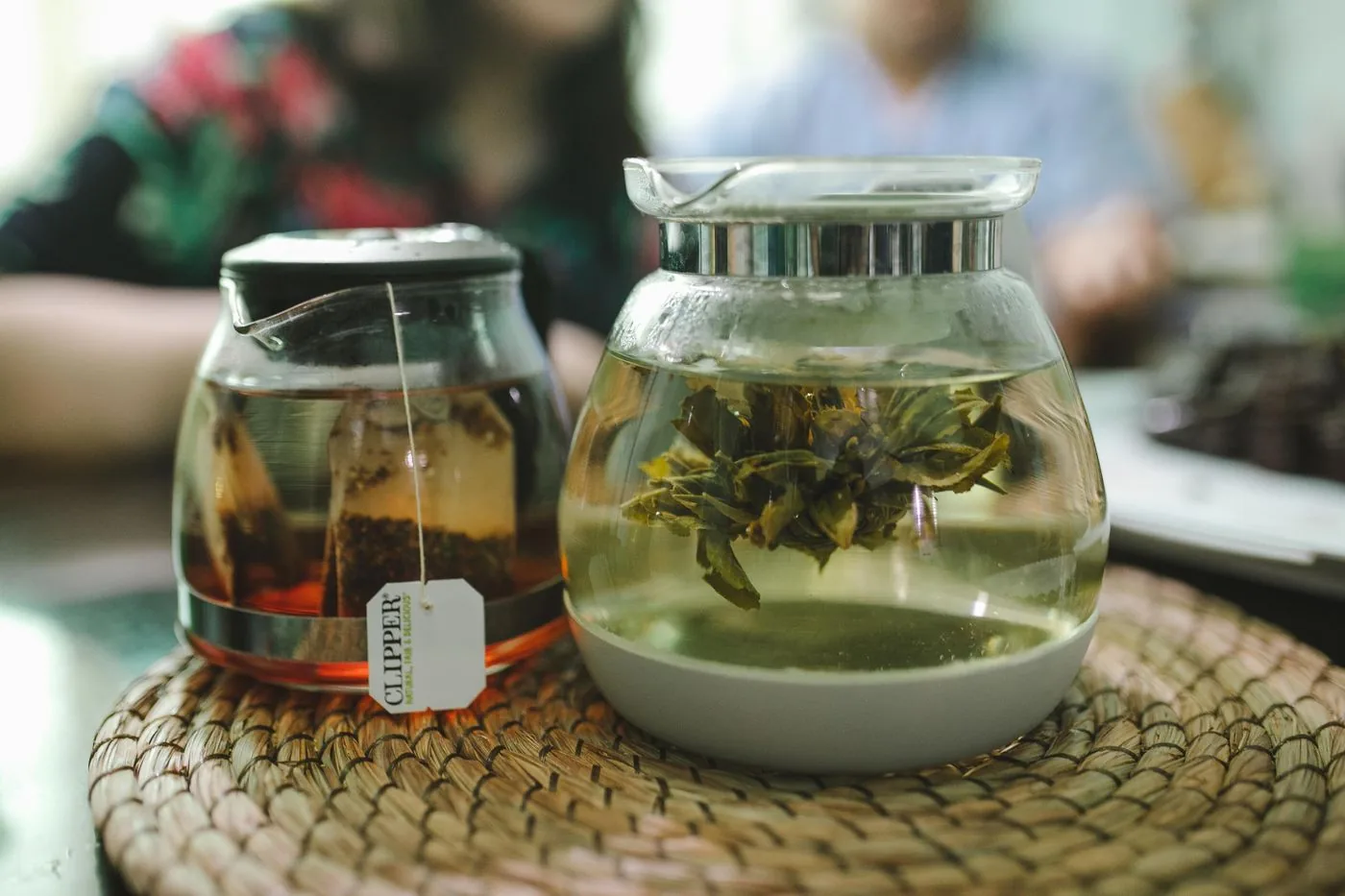
Read the current product description, brewing or care instructions, delivery terms, and returns policy. These links open the retailer’s own website; the photograph above does not represent a specific product.
Sources & further reading
Supplier instructions and primary references informing this guide. Specific products and guidance can change; confirm current details before buying.
- Adagio Teas: Single-Serve Loose Leaf Portions · Checked 2026-11-14
- UK Tea & Infusions Association: The Perfect Brew · Checked 2026-11-14
A correction or a question? Get in touch.