Tea Leaves · THE WUZHISHAN JOURNAL
Your First Green Tea: A Cup You Will Want to Make Again
Find an everyday green tea that suits your breakfast, desk, and budget, with practical advice on flavor, useful pack sizes, brewing, and what to buy first.
This guide includes retailer links. Links marked “affiliate” may earn us a commission at no extra cost to you. Read our link disclosure and editorial policy.
In this guide
The kettle is heating, breakfast is nearly ready, and the green tea you bought last month is still sitting unopened. Its instructions look precise, the leaves seem expensive, and an ordinary mug suddenly feels inadequate. A good first green tea should remove that hesitation. You need a flavor you like and a method that fits the morning you actually have.
There is no single beginner variety that suits everyone. A useful starting choice comes from how you want your cup to taste, how you will brew it, and how quickly you can finish the pack.
Choose a flavor direction before a famous name
Green tea covers a wide range of flavors. Japanese sencha often offers a grassy, savory, or seaweed-like direction. Chinese pan-fired styles can lean toward toasted nuts, vegetables, or a softer sweetness. Those are broad descriptions rather than promises: harvest, processing, storage, and brewing all influence the cup.
If the smell of steamed greens appeals to you, look at a plain sencha with clear preparation guidance. If you prefer toasted grain and gentler savory notes, a pan-fired Chinese green tea may be an easier introduction. Read the ingredient list carefully. A fruit-flavored blend can be enjoyable, but it will teach you about that blend rather than the flavor of an unflavored leaf.
Retailer descriptions are useful clues, not independent tasting results. Pick two or three words you recognize and ignore the pressure to understand every poetic tasting note.
Match the tea to your brewing setup
A mug and a roomy basket infuser are enough. The leaves need space to open, and you need a simple way to remove them when the infusion is ready. A tiny decorative tea ball can make that harder, particularly with larger leaves.
An adjustable kettle is convenient if you already own one, but it need not be your first purchase. You can follow the seller’s cooling or water-temperature guidance using your existing equipment. The important habit is to avoid automatically treating every green tea like a strong breakfast black tea.
Choose a mug you can fill consistently. Measuring the same water volume helps you notice what changes when you alter the leaf amount or time. Our guide to brewing green tea without bitterness explains how to make those adjustments one at a time.
Make the first cup deliberately simple
- Read the instructions for the specific tea, including leaf quantity, water temperature, and steeping time.
- Put the measured leaves in a clean infuser and place it in your mug.
- Add the recommended amount of water, then set a timer rather than guessing while you finish breakfast.
- Lift out the basket and allow it to drain. Taste once the tea is comfortable to drink.
- Write a short note: pleasant, too sharp, too faint, or too grassy is enough.
If the cup tastes harsh, try a shorter infusion or cooler water next time, keeping everything else steady. If it tastes thin, first check the actual water volume and leaf amount. Adding more brewing time is not always the most useful correction.
Do not judge a whole category by one cup. A mismatch between tea and preparation can make a perfectly good leaf taste unappealing.
What to buy, and what to skip
Buy a small, clearly labeled pack from a retailer that identifies the tea and provides brewing instructions. A modest everyday tea is a sensible first purchase because you can experiment without treating every spoonful as a special occasion. TeaVivre and Harney & Sons provide green-tea collections you can browse for styles and pack formats; compare the individual listing before ordering.
Look for a pack you can reseal, a flavor description that makes sense to you, and a quantity you can use regularly. A larger pack may cost less per gram, but that saving disappears if you stop reaching for it. Shipping charges can also make a small order less economical, so compare the delivered total rather than the headline price.
Skip prestige labels, elaborate gift tins, and equipment bundles until you know what you enjoy. An expensive kettle cannot turn an unwanted flavor into your favorite cup. If you are curious about several styles, a small tea sampler can be more informative than one large bag.
Keep the second week easy
Store the tea tightly closed, away from light, moisture, heat, and strong food smells. Keep only the amount you are actively using beside the kettle; a beautiful open bowl is not practical storage. Follow the retailer’s freshness guidance rather than assuming every green tea keeps equally well.
After a few cups, change one variable. Try the same tea with slightly different brewing instructions, or compare it with another style in the same mug. Notice whether you prefer the fresh savory cup with breakfast or a softer infusion later in the day. That preference gives you a better shopping brief than a ranking of famous teas.
Questions before you order
Does a beginner need loose leaf?
No. A well-labeled bag or sachet is a reasonable way to discover whether you like a flavor. Loose leaf offers more control over portion size and more choice in many specialist ranges, but it adds a small cleanup step. Choose the format you will use.
Is green tea caffeine-free?
No. Green tea is made from the tea plant and contains caffeine. The amount in your cup varies with the tea and preparation. Do not use a pale color or a delicate taste as evidence that it is caffeine-free; check product information and choose a clearly labeled caffeine-free infusion when that is your priority.
TAKE THE NEXT STEP
Compare the details before you buy.
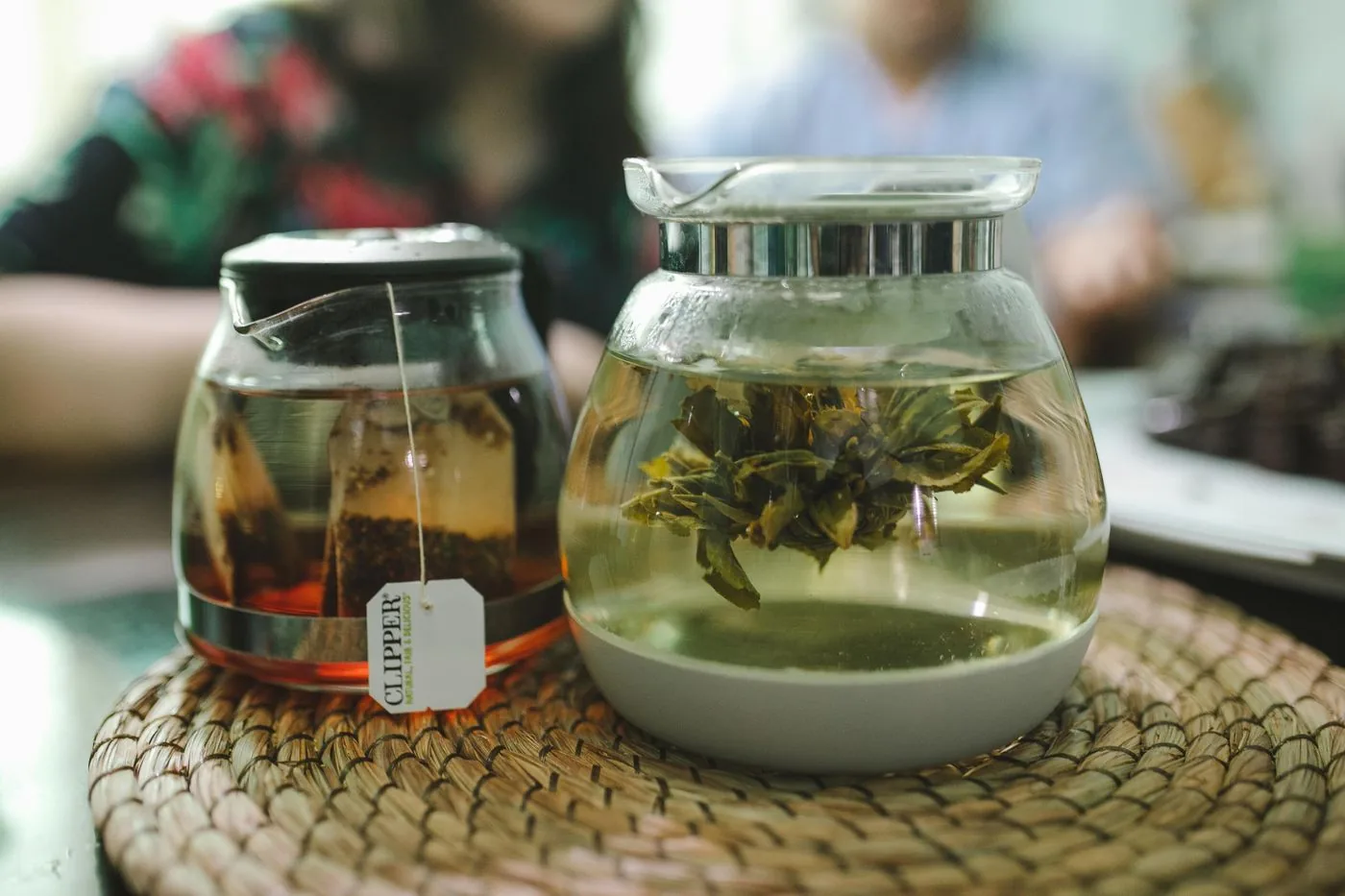
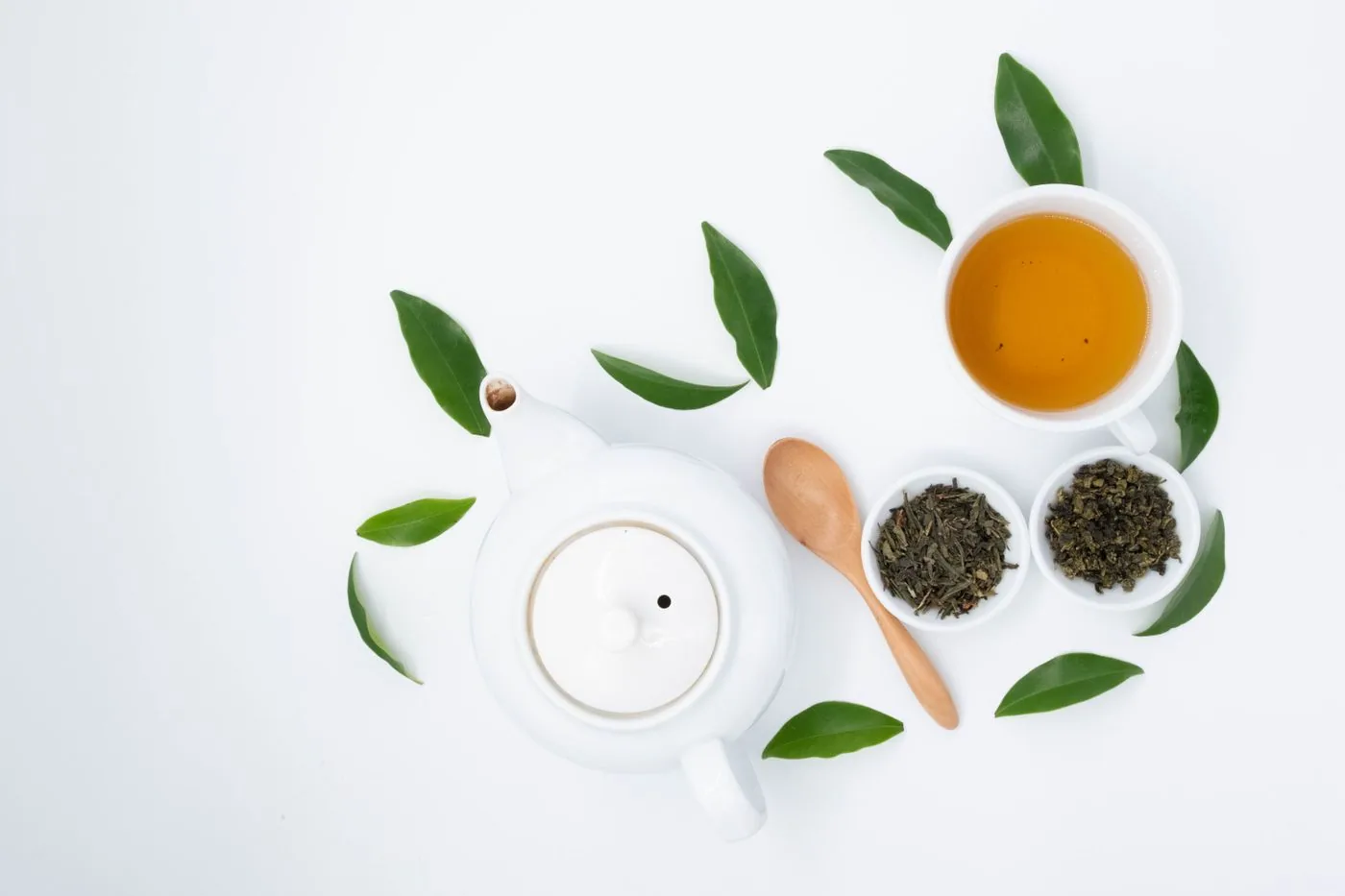
Read the current product description, brewing or care instructions, delivery terms, and returns policy. These links open the retailer’s own website; the photograph above does not represent a specific product.
Sources & further reading
Supplier instructions and primary references informing this guide. Specific products and guidance can change; confirm current details before buying.
- TeaVivre: Green Tea Selection and Brewing Information · Checked 2026-11-14
- Harney & Sons: Green Tea Collection · Checked 2026-11-14
A correction or a question? Get in touch.