Brewing Guides · THE WUZHISHAN JOURNAL
How to Make Green Tea Without the Bitter Surprise
Troubleshoot bitter green tea with simple changes to heat, time, and leaf quantity. Find a reliable starting point without replacing your entire tea setup.
This guide includes retailer links. Links marked “affiliate” may earn us a commission at no extra cost to you. Read our link disclosure and editorial policy.
In this guide
You buy a green tea described as fresh and delicate, then brew it while answering a message. The timer is forgotten, the leaves stay in the mug, and the result has a sharp edge that makes the whole purchase seem disappointing. Before replacing the tea, look at the brewing method. A few minutes and a kettle setting can change what ends up in the cup.
The aim is not to remove every hint of bitterness. Some green teas have an enjoyable briskness, and individual preferences differ. The useful question is whether your cup has enough flavor and a comfortable finish. You can approach that question without a new cupboard of equipment.
First identify what you are brewing
“Green tea” covers many leaf shapes and processing styles. A fine Japanese sencha, a rolled Chinese gunpowder tea, and a jasmine green blend need not respond identically to the same recipe. Check the name on the packet and the supplier’s directions before following a generic chart. Broken leaves and small fragments also extract differently from large intact leaves.
Ippodo’s published standard sencha method, for example, uses a concentrated recipe at 80°C with a short infusion. The UK Tea & Infusions Association gives broader green-tea guidance around 80°C and emphasizes packet instructions. Those sources help explain why a familiar boiling-water black-tea routine may not suit your new leaves.
Make a measurable baseline cup
Use the same mug or pot for the next few brews. Measure its actual fill volume, because a large breakfast mug can hold considerably more than a small teacup. Measure dry tea by weight if possible, or use the same spoon and level each time. Save the dramatic heaped scoop until you know how much tea it contains.
Use the packet’s water temperature and timing. Set a timer as soon as water meets the leaves, and remove the basket or pour the pot out fully when time is up. Let a sip cool before judging it. A very hot drink is difficult to assess and is not worth rushing for the sake of a tasting note.
Change time before changing everything
If that baseline cup is harsh, make the next infusion shorter while keeping the other quantities the same. This is particularly useful when the leaves have been sitting in a mug for several minutes. A removable basket gives you a clear stopping point. A pot that drains slowly can add meaningful extraction while you pour, so include pouring time in your routine.
If a shorter infusion is still uncomfortable, try a somewhat lower water temperature within the seller’s guidance. A temperature-setting kettle helps with consistency. Without one, cooling hot water is possible, but the amount of cooling depends on the vessel, volume, and room conditions; a fixed waiting time is not a dependable thermometer.
Distinguish weak tea from a balanced cup
Reducing leaf quantity, lowering heat, and cutting time all together can produce water with barely any character. If your cooler cup is pleasant but too light, try slightly more leaf while keeping that gentler temperature. If it has flavor but an unpleasant finish, changing time may be more useful than simply diluting it.
Write a plain note after each change: “cooler water, same leaves, less harsh.” Repeat a version you enjoy before buying another tea. Our tea temperature guide puts these choices into context, while water for tea explains when the water itself is worth checking.
Buying advice: select tea and tools that make learning easier
Choose a small packet with a specific tea name, useful brewing instructions, and a clear ingredient list. Samples reduce the cost of discovering whether you prefer grassy, toasted, or floral flavors. Avoid choosing entirely by promises that an expensive tea can never become bitter. Even appealing leaves can be brewed in a way you dislike.
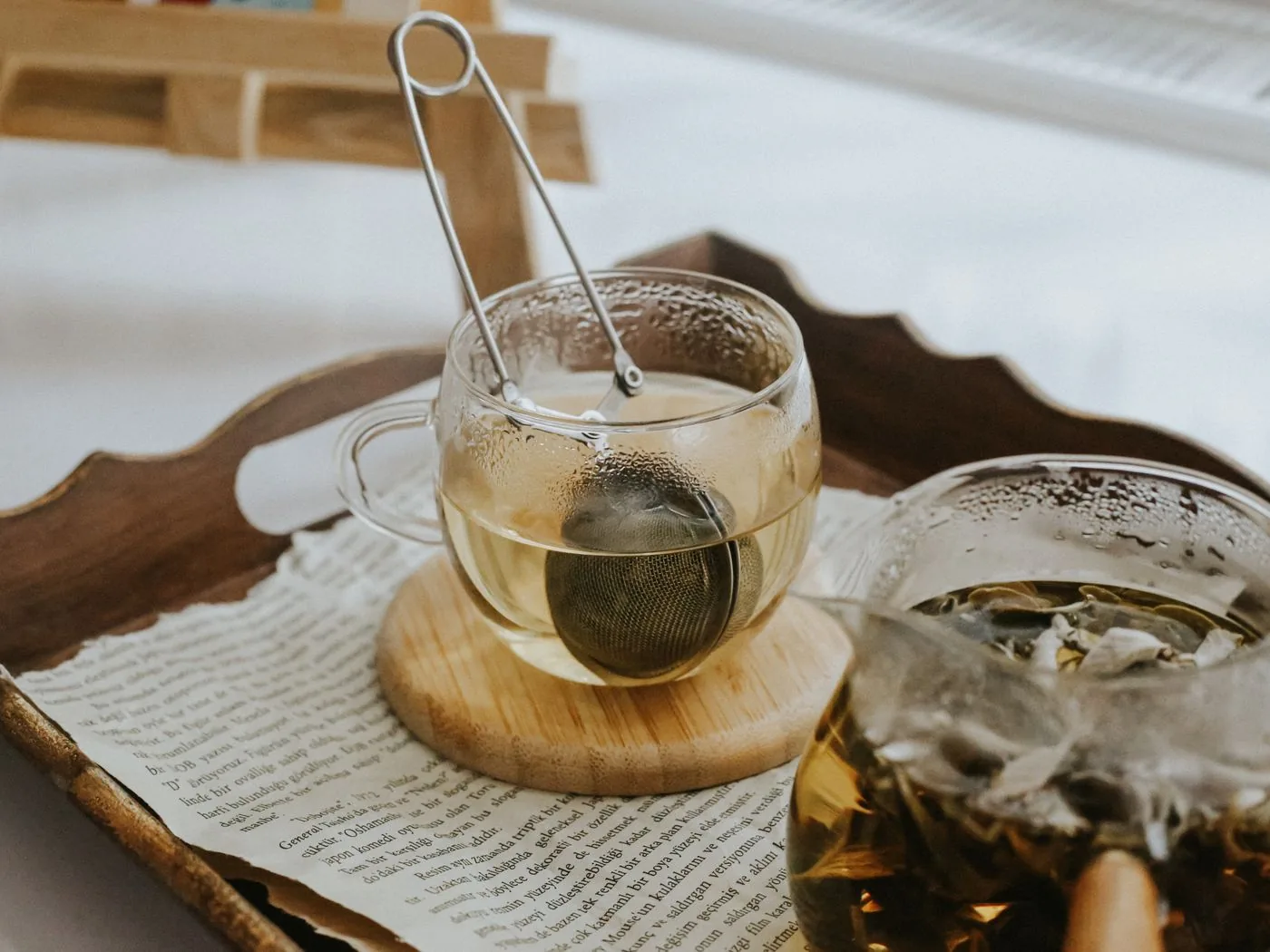
For equipment, prioritize a roomy basket or easy-pouring pot over decorative extras. If fine sencha is your daily choice, check the filter design and whether it handles small particles. A kettle with adjustable temperature earns its place when you use that feature regularly; a simple thermometer may be a smaller commitment if you are still exploring.
Keep dry leaves sealed away from steam and cooking smells. Take the packet away from the kettle before opening it, and buy quantities you can use comfortably. Better storage and clear portions can be more useful than a premium tin filled far beyond your routine.
Two common questions
Does bitter green tea mean the tea is poor quality?
No single cup can establish that. Brewing temperature, time, leaf quantity, water, and your own taste all affect the result. Try the seller’s suggested method before deciding. If the dry tea smells stale or the package is damaged, contact the retailer rather than trying to fix a possible product problem with a recipe.
Should I squeeze the infuser to get more flavor?
There is usually no need. Let it drain naturally into the mug or its drip dish without handling hot metal. Pressing leaves changes the result and can add fine particles. If the cup needs more strength, adjust the measured dry tea in your next brew instead.
TAKE THE NEXT STEP
Compare the details before you buy.
Read the current product description, brewing or care instructions, delivery terms, and returns policy. These links open the retailer’s own website; the photograph above does not represent a specific product.
Sources & further reading
Supplier instructions and primary references informing this guide. Specific products and guidance can change; confirm current details before buying.
- Ippodo: Standard Sencha Brew · Checked 2026-11-14
- UK Tea & Infusions Association: The Perfect Brew · Checked 2026-11-14
A correction or a question? Get in touch.