Brewing Guides · THE WUZHISHAN JOURNAL
Cold-Brew Tea for an Easy Afternoon in the Fridge
Plan a refreshing cold-brew tea with clean equipment, a refrigerator, and a simple tasting routine. Compare methods and choose a bottle that is easy to wash.
This guide includes retailer links. Links marked “affiliate” may earn us a commission at no extra cost to you. Read our link disclosure and editorial policy.
In this guide
On a warm afternoon, opening the fridge to a small bottle of tea can feel like an unusually good bit of planning. You do not need a gallon dispenser or an elaborate recipe. Start with an amount you expect to drink soon, a clean covered vessel, and a tea with clear cold-brewing instructions. A manageable batch is easier to assess and less likely to be forgotten behind the groceries.
Cold brew means the leaves meet cool or cold water instead of beginning with hot water. It is different from brewing hot tea and pouring it over ice. Both methods can produce a refreshing drink, but their leaf quantities and timings are not automatically interchangeable.
Choose a method before choosing a timer
Cold-water tea recipes vary considerably. Ippodo’s concentrated cold-brew sencha recipe, for example, uses 10 grams of tea with 210 milliliters of chilled water for 15 minutes. That is a small, relatively leaf-heavy preparation. A large pitcher recipe using much less tea per milliliter is a different approach and should have its own instructions.
Use your supplier’s cold-brew directions instead of combining the leaf quantity from one recipe with the timing from another. If your tea has only hot-brew directions, ask the retailer for a suitable cold method or start with a tea explicitly sold with one. A very long soak is not a universal solution to uncertainty.
Make cleanliness part of the preparation
Use water that is safe to drink. Cold brewing does not disinfect questionable water, and a household taste filter does not necessarily make an unsafe supply safe. If your area has a drinking-water advisory, follow the local authority’s directions rather than a tea recipe.
Wash your hands and the vessel, lid, filter, and serving glass before starting. Check seals and filter corners where residue can hide. Keep the batch covered in the refrigerator while it brews. This guide does not recommend leaving tea in a sunny jar or soaking it overnight on the counter. Refrigerated preparation is the more controlled home routine.
Brew a small first batch
- Measure the tea and water according to one suitable cold-brew recipe.
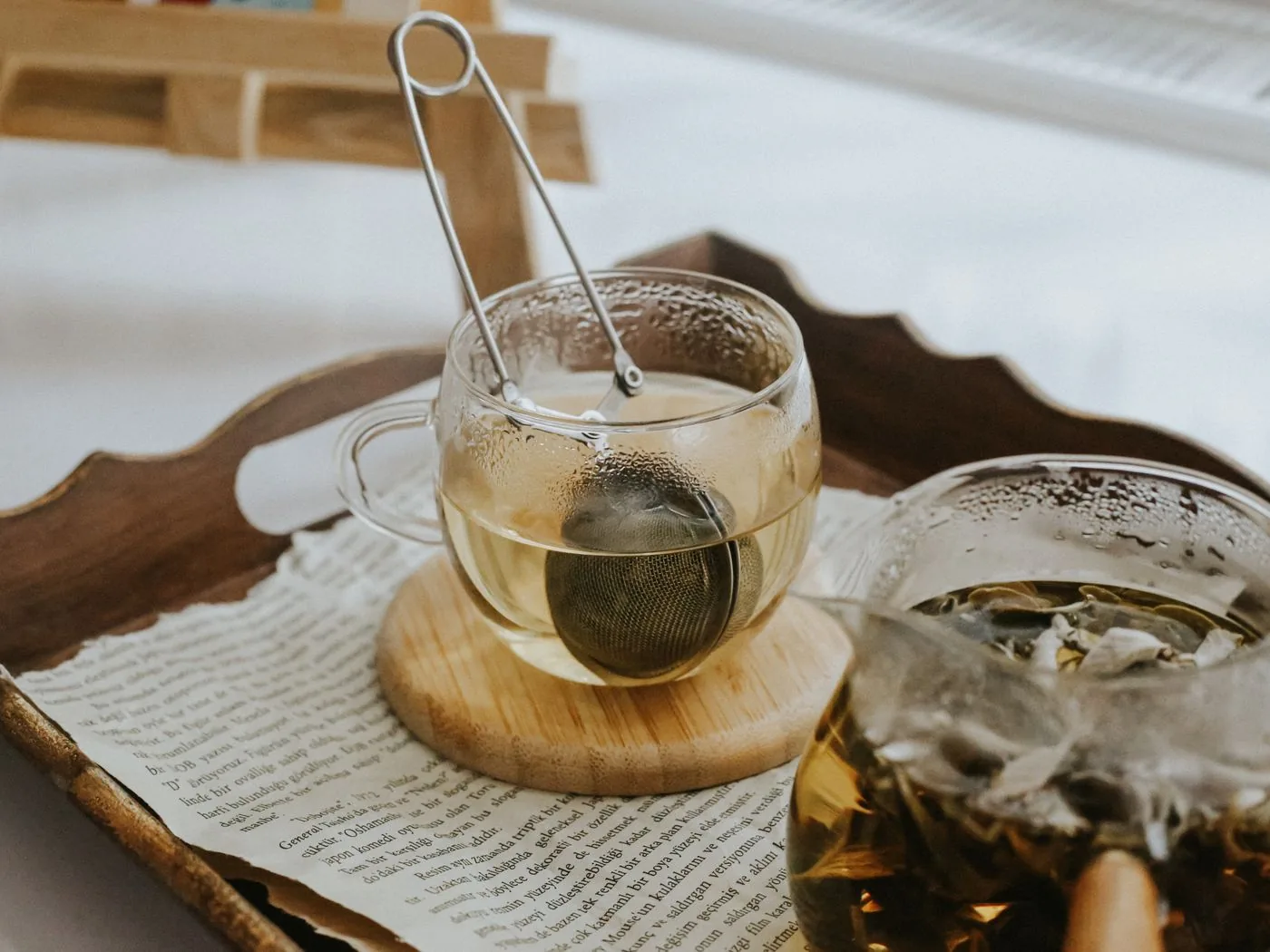
- Add the leaves to a clean filter or the vessel itself, making sure you can strain them out later.
- Add cold potable water, cover, and place the vessel in the refrigerator. Set a reminder for the recipe’s suggested checking time.
- Taste a small poured sample. If the flavor needs more time, return the covered brew to the refrigerator rather than letting it sit on the counter.
- Strain out the leaves when the flavor suits you. Keep the finished tea refrigerated and enjoy it promptly, ideally as the small same-day batch you planned.
Different teas and household conditions do not support one guaranteed storage period. Follow any more specific instructions from the supplier and applicable food-safety guidance. When the handling history is uncertain, discard the drink rather than treating a pleasant smell as proof of safety.
Serve without losing the tea’s character
Pour a little plain tea before adding lemon, syrup, or milk. That lets you decide whether the base suits you. Ice dilutes the drink as it melts; if your tea is already light, use a colder glass or less ice instead of adding a large handful automatically. A concentrated recipe can be diluted after straining.
Add fresh garnishes to the serving glass rather than keeping fruit in a large batch for days. Treat milk-based tea as a perishable drink and keep it cold. If you prefer a drink immediately, try an appropriate hot-brew-over-ice recipe rather than trying to rush a long cold-brew formula. Our seasonal tea routine offers more ways to match preparation to the day.
Buying advice: prioritize washing and fridge fit
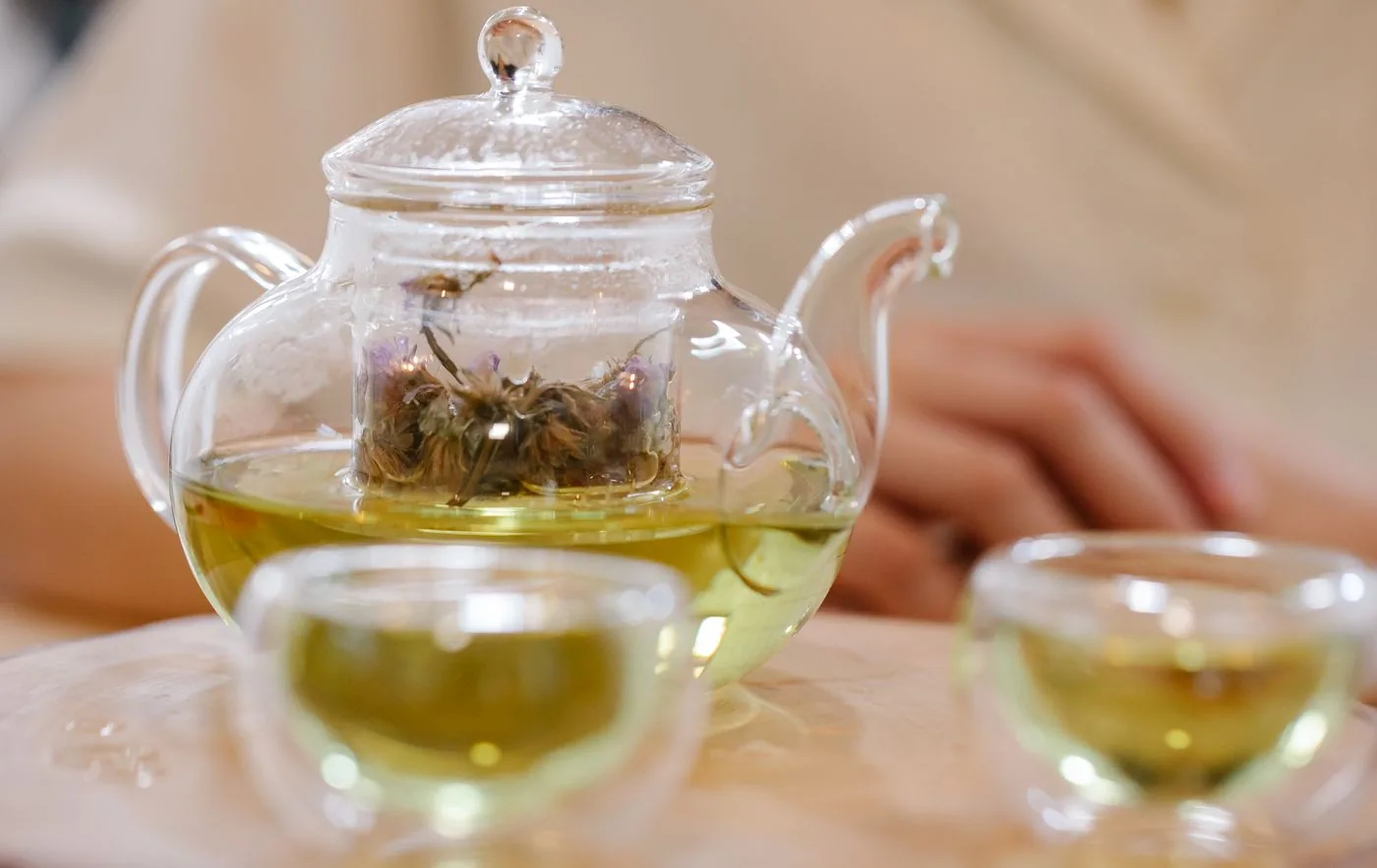
A plain jar and separate strainer can work well. A filter bottle earns its place if it fits your fridge shelf, pours without awkward drips, and comes apart for cleaning. Check the manufacturer’s material, temperature, and dishwasher guidance. A cold-brew bottle is not necessarily designed for boiling water just because it looks like a glass teapot.
Choose a sample-size green tea, oolong, or another tea whose cold method interests you. Avoid buying a large amount solely because a product claims to be smooth; preparation and preference still matter. For a comparison of leaf styles, see our oolong tea guide. Skip expensive accessories until a small batch becomes part of your regular week.
Two common questions
Is cold-brew tea caffeine-free?
No. A cold-brewing method does not make tea leaves caffeine-free. The amount in a drink depends on the product and preparation, so avoid relying on color or smoothness. If caffeine is important to your choice, use the supplier’s information and check every ingredient in a blend.
Can I keep reusing the same leaves for tomorrow?
For this simple routine, make a fresh batch with fresh dry tea. Repeatedly topping up an old bottle makes its handling history harder to follow. Empty it when finished, wash it thoroughly, and let the parts dry before putting it away.
TAKE THE NEXT STEP
Compare the details before you buy.
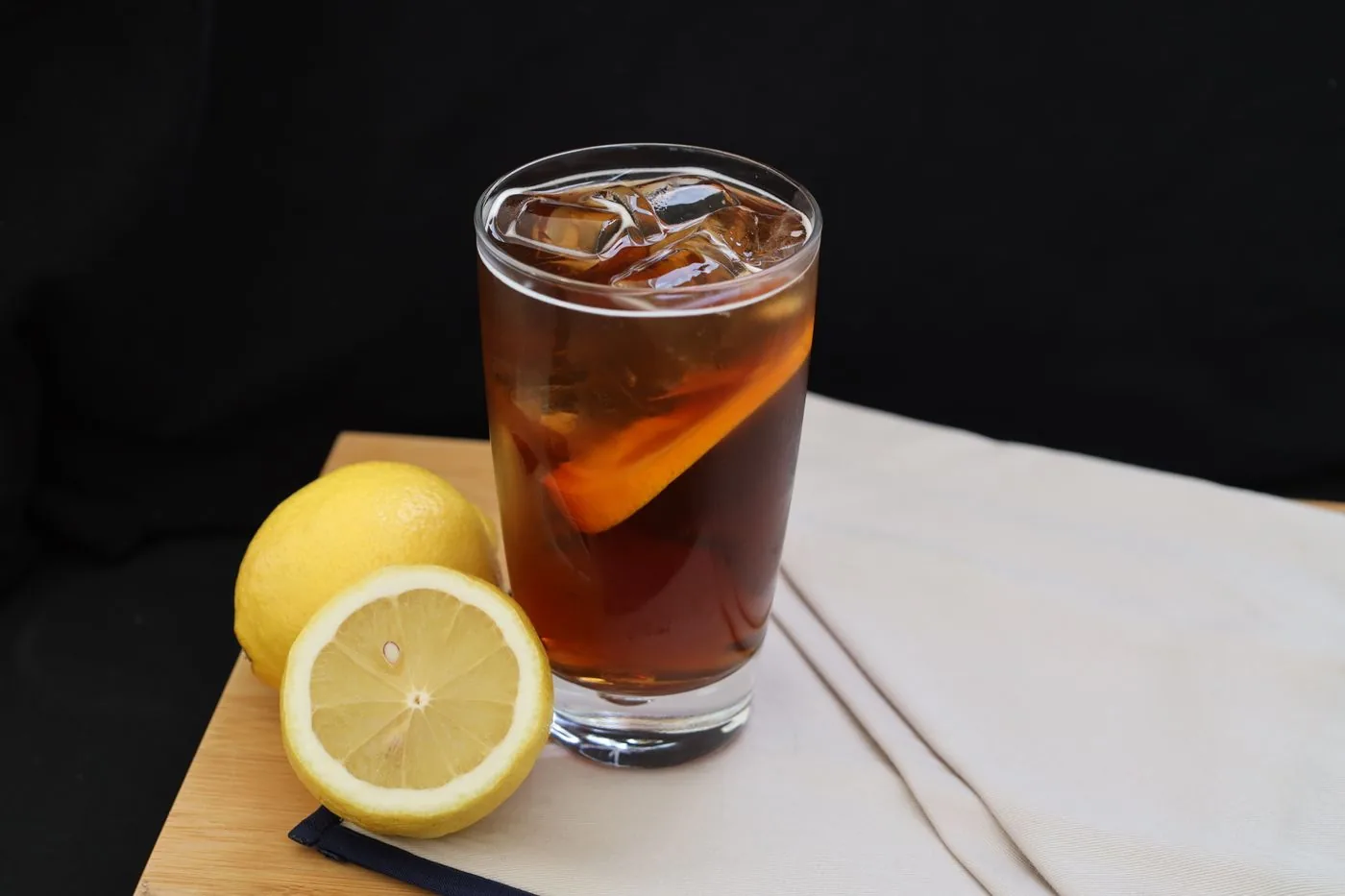
Read the current product description, brewing or care instructions, delivery terms, and returns policy. These links open the retailer’s own website; the photograph above does not represent a specific product.
Sources & further reading
Supplier instructions and primary references informing this guide. Specific products and guidance can change; confirm current details before buying.
- Ippodo: Cold Brew Sencha · Checked 2026-11-14
- CDC: About Drinking Water · Checked 2026-11-14
- FDA: Serving Up Safe Buffets · Checked 2026-11-14
A correction or a question? Get in touch.