Tea Leaves · THE WUZHISHAN JOURNAL
Oolong Tea at Home: Find Your Floral or Roasted Style
Explore floral and roasted oolong tea for an everyday mug or a shared small-pot session at home, including sensible first purchases and brewing adjustments.
This guide includes retailer links. Links marked “affiliate” may earn us a commission at no extra cost to you. Read our link disclosure and editorial policy.
In this guide
An oolong session can begin with a tray of tiny cups, but it can also begin with a mug beside a book. If the tea interests you and the equipment seems intimidating, separate those two ideas. You can learn whether you enjoy oolong before deciding how elaborate you want the brewing ritual to become.
The most useful first distinction is flavor direction. Oolong is a broad category, and the contrast between a floral cup and a toasted one may be much larger than a new drinker expects.
Start with the description you understand
Oolong is commonly described as partially oxidized tea, with processing choices that produce many styles. Oxidation and roasting are related to production but are not interchangeable labels. A retailer may describe a tea’s roast, origin, cultivar, or level of oxidation; none of those details should replace a description of the cup.
For a fragrant afternoon tea, look for language such as floral, fresh, or lightly roasted. If you enjoy toasted grain, roasted nuts, or warmer flavors, explore a more roasted style. These terms are guides to preference rather than a guarantee that everyone will taste the same notes.
Read whether the tea contains added flavorings. A scented or flavored oolong can be enjoyable, but it is a different comparison from two unflavored teas. Knowing what you are comparing makes the next purchase more useful.
Buy two small packs instead of one impressive bag
A practical introduction is one floral style and one roasted style, both in small quantities. Keep the rest of the comparison steady: the same vessel, water, and attention to the seller’s recipe. You will learn whether the broad direction appeals before paying for a rarer offering.
Collections from TeaVivre and Harney & Sons show the range of oolongs available. Treat their tasting descriptions as supplier guidance and read individual product pages for the current tea, pack format, and preparation advice. A collection page does not guarantee that every size or harvest is in stock.
Check delivered cost and portion size rather than deciding on price per pack alone. Large decorative tins and multi-item gift bundles can obscure how much tea you are actually buying. Our tea sampler buying guide offers a simple way to make a comparison worth the shipping.
Give the leaves room in an ordinary mug
Rolled leaves can open considerably during brewing. A roomy basket or a small teapot usually makes more sense than a tightly filled tea ball. Use the quantity, temperature, and steeping time recommended for the particular oolong, then remove the leaves from the finished infusion.
There is no need to force a small-pot recipe into a large mug. A gongfu method uses a different relationship between leaf, water, and time. If you change the water volume dramatically while keeping everything else the same, you are making a different recipe.
For your first cup, focus on complete drainage and comfortable drinking temperature. Notice the aroma, the body of the liquid, and whether the finish makes you want another sip. A simple note is more valuable than trying to produce a professional tasting vocabulary.
Explore a shared small-pot session later
If you like the tea and want a slower afternoon activity, try a small pot or gaiwan and follow a suitable brewing recipe. Pour each infusion fully into a serving vessel or cups so the leaves are not left soaking between pours. Short infusions make it easier to follow how the cup changes.
Start with safe handling. Learn your vessel with cool water before pouring hot tea, use a stable tray, and do not fill to a level that makes the grip uncomfortable. A beautiful handleless vessel is useful only if you can pour it confidently.
Our guide to gongfu tea at home walks through the setup. The purpose is to make sharing tea enjoyable, not to accumulate every accessory shown in a photograph.
Buying advice: pay for information and a suitable portion
Prioritize an identified style, clear origin information when provided, understandable brewing directions, and a pack you can finish. Choose a seller that explains the particular tea instead of relying entirely on the word premium. A small everyday oolong can be a better learning purchase than a costly tea you feel reluctant to open.
Skip claims that a single roast or origin is automatically superior. More detail can help you compare like with like, but it does not decide your taste. Likewise, do not buy an unglazed clay pot just because you are buying oolong; a neutral glazed vessel is easier to use across several teas.
Once you have a preference, reorder a modest quantity and compare it with one nearby style. That gradual approach develops a useful sense of taste without filling a cupboard with nearly identical purchases.
Questions about your first oolong
Can I brew oolong more than once?
Often, but the number of enjoyable infusions depends on the tea and the method. Follow the seller’s guidance and taste each cup. Reuse leaves within the same session, drain them between infusions, and discard them if their handling or freshness is uncertain.
Does a darker oolong contain more caffeine?
You cannot reliably judge caffeine from the color of a dry leaf or the finished cup. Tea variety and preparation affect what you drink. Check specific information when available, and do not treat a roasted flavor as evidence that a tea is caffeine-free.
TAKE THE NEXT STEP
Compare the details before you buy.
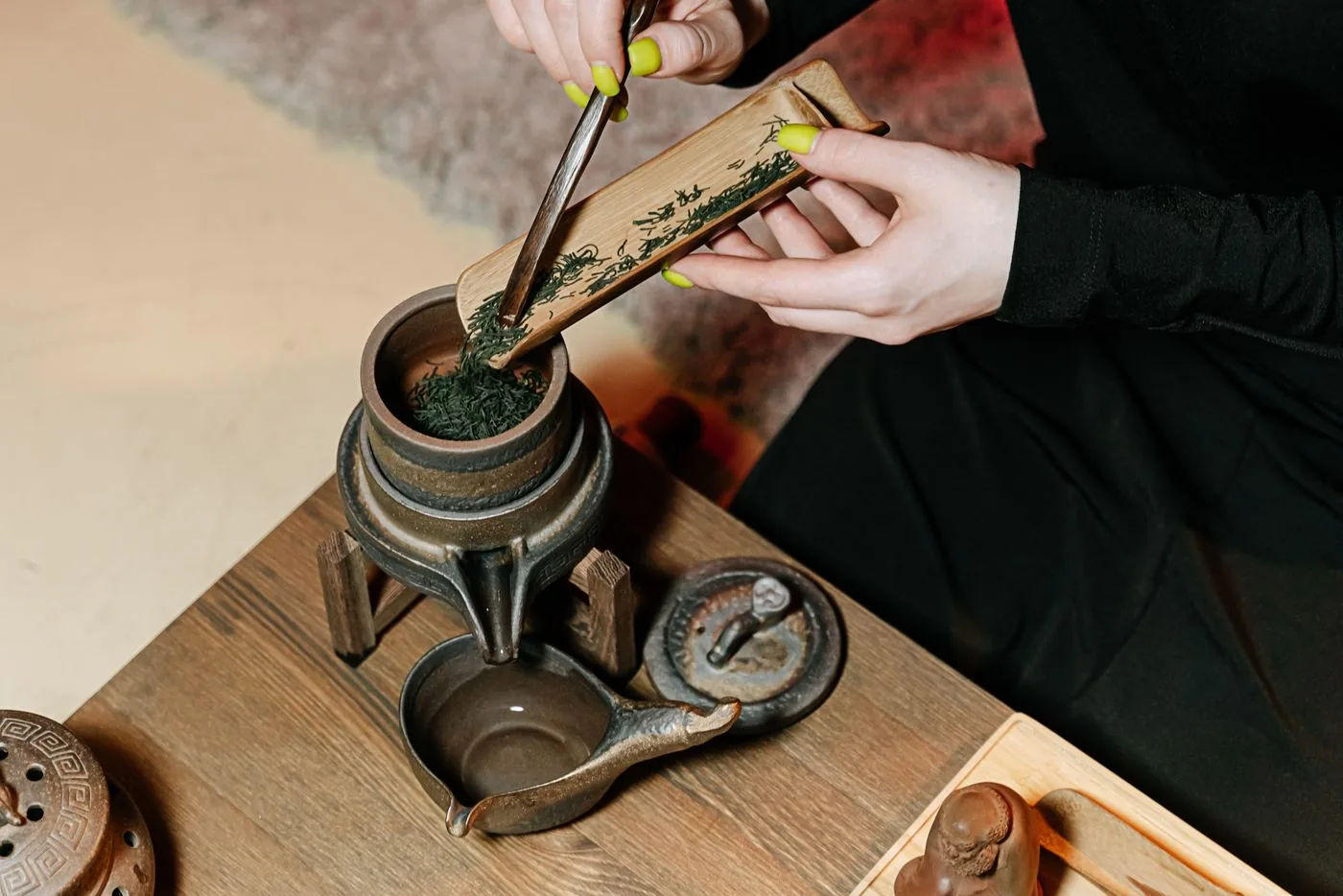
Read the current product description, brewing or care instructions, delivery terms, and returns policy. These links open the retailer’s own website; the photograph above does not represent a specific product.
Sources & further reading
Supplier instructions and primary references informing this guide. Specific products and guidance can change; confirm current details before buying.
- TeaVivre: Oolong Tea Selection · Checked 2026-11-14
- Harney & Sons: Oolong Tea Collection · Checked 2026-11-14
A correction or a question? Get in touch.