Tea Leaves · THE WUZHISHAN JOURNAL
Buy a Tea Sampler That Teaches You What You Like
Choose a useful tea sampler with a clear purpose, manageable portions, and a simple tasting plan, so your next tea purchase reflects your own preferences.
This guide includes retailer links. Links marked “affiliate” may earn us a commission at no extra cost to you. Read our link disclosure and editorial policy.
In this guide
The parcel arrives with enough small packets to cover the kitchen table. For a few minutes, every flavor looks promising. Two weeks later, the familiar blend is nearly empty and the rest are waiting for an occasion you have not planned. A good tea sampler should do more than create that first burst of choice. It should help you understand what to buy next.
Choose a question before choosing a set. That turns a collection of samples into a useful, enjoyable comparison rather than another drawer of unfinished tea.
Give the sampler one job
If you have never tried loose leaf, a small introduction across a few broad categories can be helpful. If you already know you enjoy oolong, a focused comparison of floral and roasted styles may be more informative than another mixed box containing several unrelated flavors.
Write a simple purpose: find a black tea for milk, compare two styles of green tea, or choose a tea to share after dinner. The best set is the one that offers a realistic answer to that question.
Avoid a sampler dominated by ingredients you already dislike. Variety is not automatically value. A large set with several unwanted fruit blends may be less useful than a smaller collection of plain teas you are curious about.
Check the portion, not just the packet count
A set advertised with many flavors may provide only a small amount of each. Check the listed weight or number of intended servings and compare it with your brewing method. A portion for one mug may not be enough for a whole afternoon with guests.
If you want to try a tea twice before deciding, make sure the quantity allows that. The first cup might be affected by a measuring mistake, distraction, or an unfamiliar recipe. A second consistent preparation can be more informative than adding several more teas to the box.
Read whether the samples are loose leaf, bags, sachets, or premeasured loose-leaf portions. Our loose leaf and tea bag comparison explains why those formats involve different handling. A gift-shaped packet does not necessarily include an infuser.
Keep comparisons easy to repeat
You do not need to taste every packet on the same day. Choose two related teas, use the recommended preparation for each, and give yourself enough time to notice the difference. Follow the supplier’s recipe rather than forcing all teas through the same temperature and steeping time.
Use the same cup when practical, or two similar cups for a side-by-side comparison. Keep strongly flavored food out of the first tasting if it makes the flavors harder to notice. Once you understand the tea, drink it with the food or milk you would normally enjoy.
Write three notes: what the tea reminded you of, whether the strength suited you, and whether you would make it again. You can add the portion and time if you adjusted them. A page of plain observations is more useful than elaborate language borrowed from a seller.
Separate an unfamiliar flavor from a poor brew
Before rejecting a sample, check whether you used the right water volume and portion. A large mug can dilute a recipe intended for a smaller cup. Conversely, a tiny vessel with too much leaf can make a tea seem much more assertive than intended.
If you change something, change one variable and record it. You may discover that you enjoy the tea with a shorter steep, or that the flavor simply does not appeal. Both outcomes are useful. The goal is to learn your preference, not to prove that every packet deserves praise.
For a more structured but still approachable method, our tea tasting guide for home explains how to compare a few cups without turning the afternoon into an exam.
Buying advice: choose clarity over abundance
Prioritize identified teas, useful portion information, individual preparation guidance, and a coherent theme. Adagio’s sampler and custom-sampler pages provide examples of fixed assortments and choose-your-own formats. Inspect the current contents and sizes rather than relying on a general collection name or image.
Calculate the delivered total and compare it with a few individual small packs. A bundle can be convenient, but it is not automatically the cheapest way to try the particular teas you want. If a set includes tools, ask whether you would choose those tools separately.
Skip large mystery assortments when ingredients or individual teas are poorly explained. Also skip a premium gift box when your purpose is simply to compare everyday flavors. Decorative packaging can be worthwhile for a gift, but it should be a deliberate part of the purchase.
Once you find a favorite, reorder a modest pack rather than immediately buying the largest refill. Your preference may change as you settle into a routine. Keep exploring one neighboring style at a time so the learning remains enjoyable and the cupboard stays manageable.
Questions about sample sets
Should a beginner choose plain or flavored teas?
Choose according to your question. Plain teas help you notice differences in tea style; flavored blends help you discover combinations you enjoy. A set can include both if they are clearly labeled, but do not confuse a preference for one added flavor with a verdict on the entire base-tea category.
Does a sampler make a good gift?
Yes, when the contents fit the recipient and the brewing method is realistic. Check caffeine preferences, ingredient concerns, and whether they own an infuser. A smaller, well-chosen set with clear directions is often more usable than a large collection that expects unfamiliar equipment.
TAKE THE NEXT STEP
Compare the details before you buy.
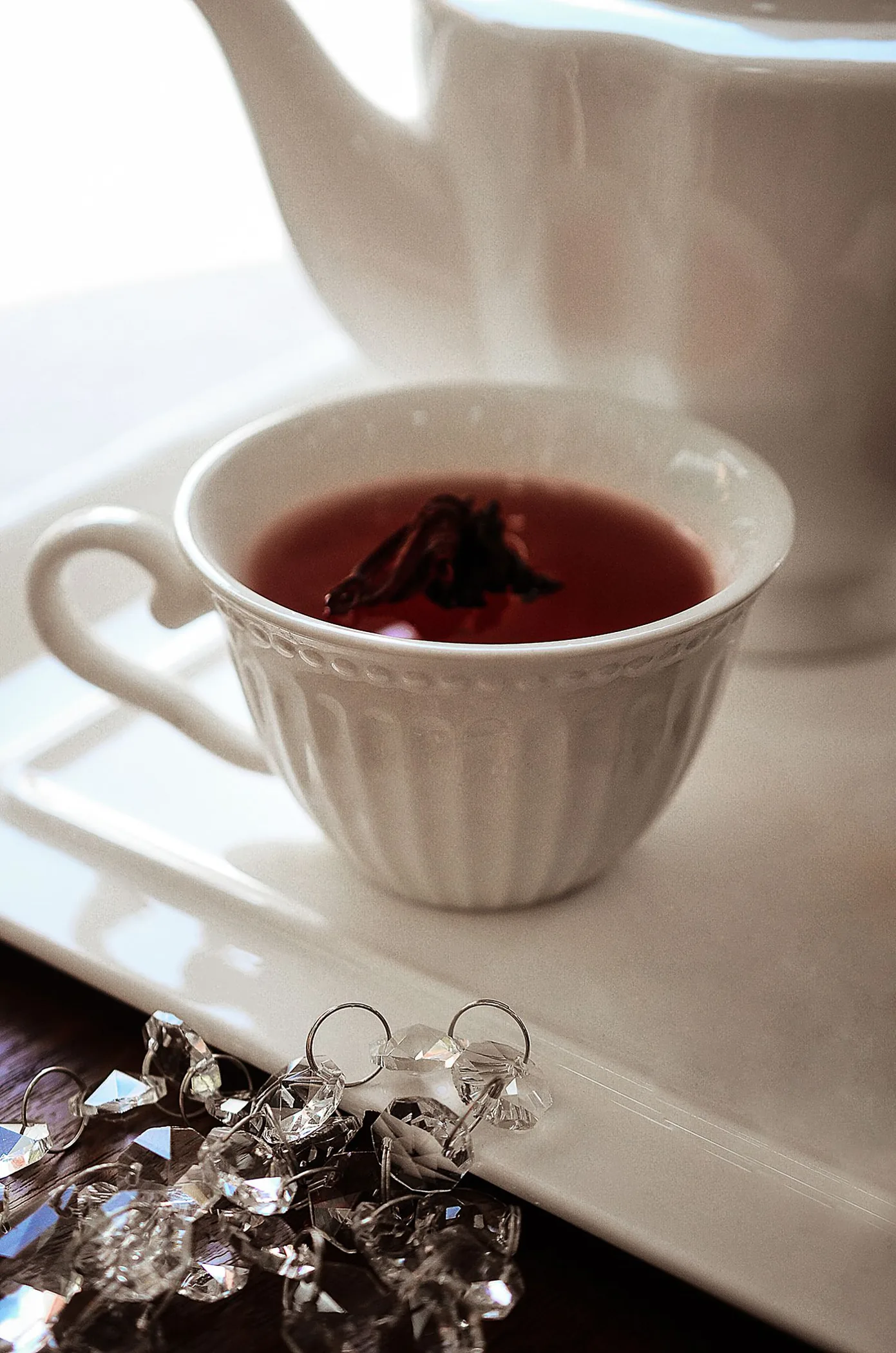
Read the current product description, brewing or care instructions, delivery terms, and returns policy. These links open the retailer’s own website; the photograph above does not represent a specific product.
Sources & further reading
Supplier instructions and primary references informing this guide. Specific products and guidance can change; confirm current details before buying.
- Adagio Teas: Loose Leaf Tea Sampler Sets · Checked 2026-11-14
- Adagio Teas: Custom Tea Sampler · Checked 2026-11-14
A correction or a question? Get in touch.