Brewing Guides · THE WUZHISHAN JOURNAL
A Two-Cup Tea Tasting You Can Do at Home
Compare two teas at your own table with familiar cups and simple notes. Learn to spot preferences, control the brew, and buy samples with a clear purpose.
This guide includes retailer links. Links marked “affiliate” may earn us a commission at no extra cost to you. Read our link disclosure and editorial policy.
In this guide
Two small cups on the kitchen table can teach you more about your preferences than a shopping basket full of tea. You might compare the two samples that arrived with an order, or invite a friend to choose between a floral tea and a roasted one. The exercise does not need formal scores, special vocabulary, or a claim to identify a tea’s origin blind.
The useful result is a sentence you can act on: “I would drink this with breakfast,” or “I prefer the lighter one without milk.” That gives your next purchase a clearer purpose. A tasting can be enjoyable and informative without becoming a competition to name the most elaborate flavor.
Pick one question for the session
If you are comparing different teas, choose a manageable contrast. Two oolongs with different descriptions, or two breakfast blends intended for milk, can be easier to understand than six unrelated teas. Read the ingredient lists and consider any allergies or caffeine concerns before sharing. Small servings are enough for comparison; there is no need to finish every cup.
If your question is about preparation, use the same tea for both cups. Compare one brewing temperature, time, or dose while keeping everything else constant. Do not change the water and the leaves together and then credit the result to only one of them. Our green-tea troubleshooting guide gives an example of adjusting one variable at a time.
Use familiar equipment consistently
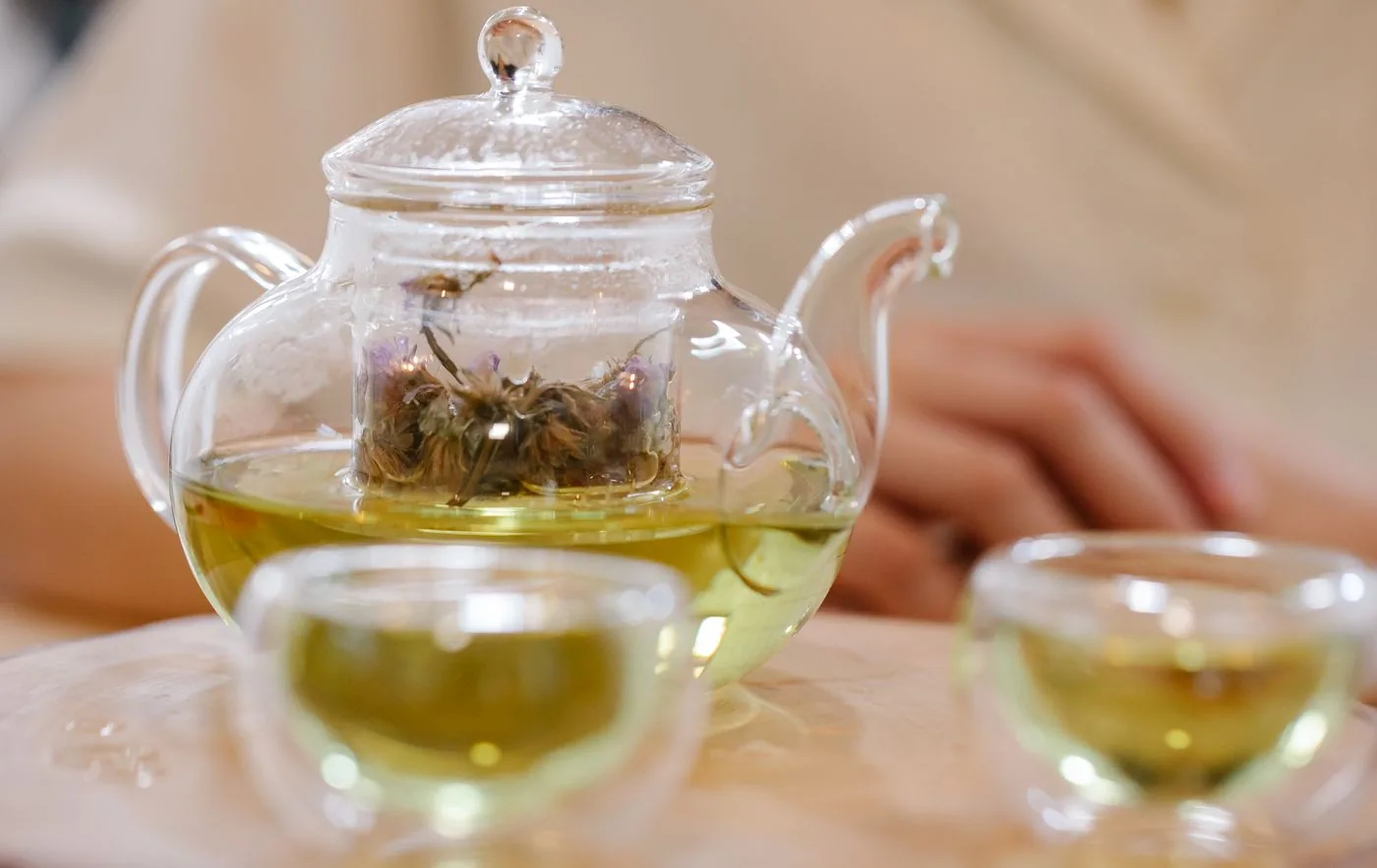
Choose two heat-safe cups of similar size and shape, two matching baskets if available, and a timer. A scale helps measure equal doses accurately. Use the same safe drinking water unless water is the variable you are comparing. Rinse away any detergent smell and check that the cups do not carry residue from another drink.
For different tea styles, brew each according to its own suitable recipe. Using identical boiling water and a long infusion for every tea may compare their response to an unsuitable method rather than the cups they were intended to make. Ippodo’s concentrated sencha recipe and UKTIA’s broader brewing advice show why the recipe context matters.
Brew and label before you begin tasting
Label the cups A and B, keeping a separate note of which tea is which. If a friend handles the labels, you can delay seeing the names and prices until after making your first notes. This does not turn your kitchen session into a laboratory study, but it may reduce expectations created by an expensive-looking packet.
Measure the water and leaves, start each timer, and remove the leaves at the appropriate point. You can stagger the brews slightly if handling two hot vessels at once feels rushed. Keep the cups where elbows and kettle cables will not knock them. Give both drinks time to become comfortable to sip before comparing them.
Notice a few ordinary things
Start with aroma. Does one smell floral, toasted, grassy, citrusy, or simply familiar? Then take a small sip and notice its strength and feel. Is it light or full, soft or drying, straightforward or difficult to enjoy? A second sip as the tea cools may change your impression, which is useful to record.
Keep the language close to your experience. You do not have to find a fruit that a retailer lists in its tasting notes. Those descriptions can suggest what to notice, but they are not an answer key. Equally, a different personal note does not establish that a supplier is wrong about authenticity or processing.
| Cup | What stands out? | When would I drink it? | Would I buy it again? |
|---|---|---|---|
| A | A short aroma and flavor note | Breakfast, desk, or a quiet afternoon | Yes, no, or try another recipe |
| B | A short aroma and flavor note | With food, milk, or on its own | Yes, no, or try another recipe |
Translate your notes into a sensible purchase
Reveal the packets and compare your impressions with the product information. If you liked the fuller tea, note its stated style and preparation rather than concluding that every tea from that country will taste alike. If neither cup appealed, try a better-suited recipe or another small sample before buying a large replacement bag.
Our tea sampler buying guide explains how to choose a small selection with a reason for each sample. Keep the notes with your order history so the next purchase builds on what you learned rather than starting from the same vague search.
Buying advice: prioritize samples over a tasting kit
Useful sample information includes the tea’s identity, ingredients, package quantity, and brewing directions. Choose enough leaf for more than one attempt if practical; a single rushed cup is not always a fair personal assessment. Compare total delivered cost and whether you can reorder the tea you enjoy.
Matching professional tasting sets can be appealing later, but two familiar cups and a reliable timer are sufficient at the start. Spend on a scale if repeatable portions would help your daily brewing too. Avoid buying a large collection solely to reproduce a retailer’s full flavor wheel.
Two common questions
Do I need to taste tea without food?
Plain water between cups and a simple setting can make differences easier to notice. You can also compare teas with the breakfast or snack you actually enjoy. Just make the goal clear, because tasting with a strongly flavored food answers a different question from tasting tea alone.
Can I judge quality from one home tasting?
A small tasting is most useful for identifying preferences. Preparation, water, storage, and expectations all affect the result. Avoid presenting one household comparison as an expert authenticity verdict or an objective product ranking.
TAKE THE NEXT STEP
Compare the details before you buy.
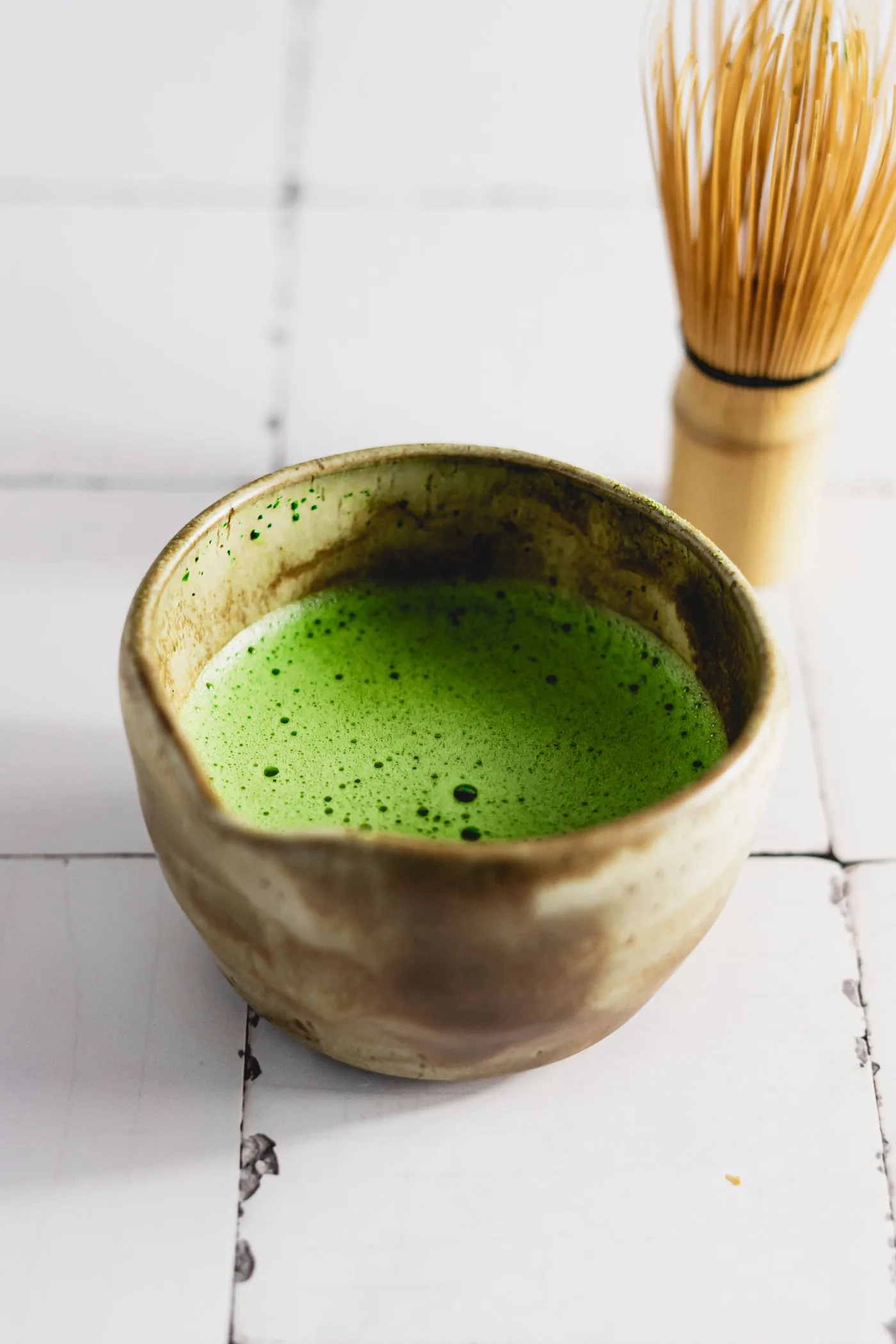
Read the current product description, brewing or care instructions, delivery terms, and returns policy. These links open the retailer’s own website; the photograph above does not represent a specific product.
Sources & further reading
Supplier instructions and primary references informing this guide. Specific products and guidance can change; confirm current details before buying.
- UK Tea & Infusions Association: The Perfect Brew · Checked 2026-11-14
- Ippodo: Standard Sencha Brew and Choosing a Style · Checked 2026-11-14
A correction or a question? Get in touch.