Brewing Guides · THE WUZHISHAN JOURNAL
Water for Tea: Start with the Water You Already Drink
Choose water for tea without chasing expensive equipment. Compare taste, filtration, and practical kettle care while keeping drinking-water safety first.
This guide includes retailer links. Links marked “affiliate” may earn us a commission at no extra cost to you. Read our link disclosure and editorial policy.
In this guide
You bring a favorite tea home from a trip and brew it exactly as you remember, but the cup seems different. The mug, recipe, and mood may all play a part. The water is another sensible place to look, particularly if your tap water has a noticeable taste. You can investigate without turning the kitchen into a water laboratory.
Begin with two separate questions: is the water safe to drink, and do you enjoy the flavor it gives your tea? Those questions are related to different evidence. A clear-looking cup is not proof of safety, and a strongly flavored mineral water is not automatically an improvement for brewing.
Put drinking-water safety before the recipe
Use a source you know is potable. Follow your local drinking-water authority’s guidance, particularly during an advisory or after changes affecting a private well. CDC’s drinking-water guidance distinguishes public systems and private wells, and directs households to information appropriate to their water supply. A tea recipe cannot replace that advice.
Do not assume that a pitcher filter removes every possible contaminant. Match a filter to the issue it is designed and certified to address, and maintain it according to its instructions. Likewise, heating water to a green-tea brewing temperature is not a general disinfection method. If the safety of your supply is uncertain, resolve that first with the appropriate authority.
Taste before buying anything
Pour a glass of your usual drinking water at a comfortable temperature and notice whether it has a flavor you dislike. Then check the tea setup: is the kettle clean, the mug free from old coffee or detergent residue, and the tea stored away from cooking smells? Water is worth considering, but it should not become the default explanation for every disappointing cup.
The UK Tea & Infusions Association notes that hard or soft tap water can affect tea’s taste and suggests considering filtration. That supports trying a relevant change; it does not establish a universal best bottled water or a rule that every household needs a filter. Your useful comparison is the cup in front of you.
Compare two small brews with one change
Choose the same tea, leaf weight, vessel size, temperature, and time for both cups. Use your usual safe water for one and another safe drinking water for the other. Label them underneath or ask someone to hand them to you without naming the source, if you want to reduce expectations about the more expensive option.
- Check that both waters are suitable for drinking and within any relevant use guidance.
- Measure equal amounts and brew the tea using one consistent recipe.
- Let both cups cool enough to taste comfortably.
- Compare aroma, strength, unwanted flavors, and the finish after a sip.
- Repeat the comparison another day before committing to a recurring purchase.
You may prefer one water for a delicate green tea and find little worthwhile difference with your breakfast blend. That is a useful result, too. Our home tea tasting guide offers a simple way to record preferences without turning them into scores.
Keep the kettle part of the picture
Visible scale, old water left sitting, and a recently cleaned kettle can affect what you notice. Follow the kettle maker’s descaling procedure and rinse as directed. Do not mix cleaning chemicals or assume that a method suitable for one appliance is safe for every interior coating and seal.
Heat only a practical amount of fresh water for your session, while respecting the kettle’s minimum fill. Keep the lid closed as instructed and place the appliance on a stable surface. A temperature-setting kettle is useful when you regularly switch between teas, but it does not change the safety or composition of the water you pour into it.
Buying advice: solve a specific household problem
If the comparison shows an improvement worth keeping, look at the smallest practical solution. A correctly chosen pitcher or tap filter may be enough for a taste issue it is designed to address. Check replacement-cartridge availability and ongoing cost, not only the price of the first jug. A filter you rarely maintain is a poor long-term plan.
Specialist mineral recipes, water meters, and large filtration systems can interest an enthusiast, but they are not necessary for learning to brew tea. A total-dissolved-solids reading is one measurement, not a certificate of safety or a complete flavor prediction. Avoid buying a device solely because a retailer presents one target number as essential for every tea.
If your kettle needs replacing anyway, compare handling, usable capacity, cleaning access, and temperature controls in our electric kettle guide. Spend on functions you will use rather than treating a premium kettle as a remedy for every water concern.
Two common questions
Is bottled water always better for tea?
No. Bottled waters differ, local tap supplies differ, and preferences differ. It can be a convenient comparison source when potable, but a higher price does not guarantee a cup you enjoy. Consider packaging, convenience, and recurring cost alongside flavor.
Will boiling remove everything I should worry about?
No single household step should be assumed to handle every possible problem. Follow the specific advice for your supply and any active water advisory. If you need treatment for a known contaminant, choose a method explicitly appropriate for it rather than relying on a tea-brewing routine.
TAKE THE NEXT STEP
Compare the details before you buy.
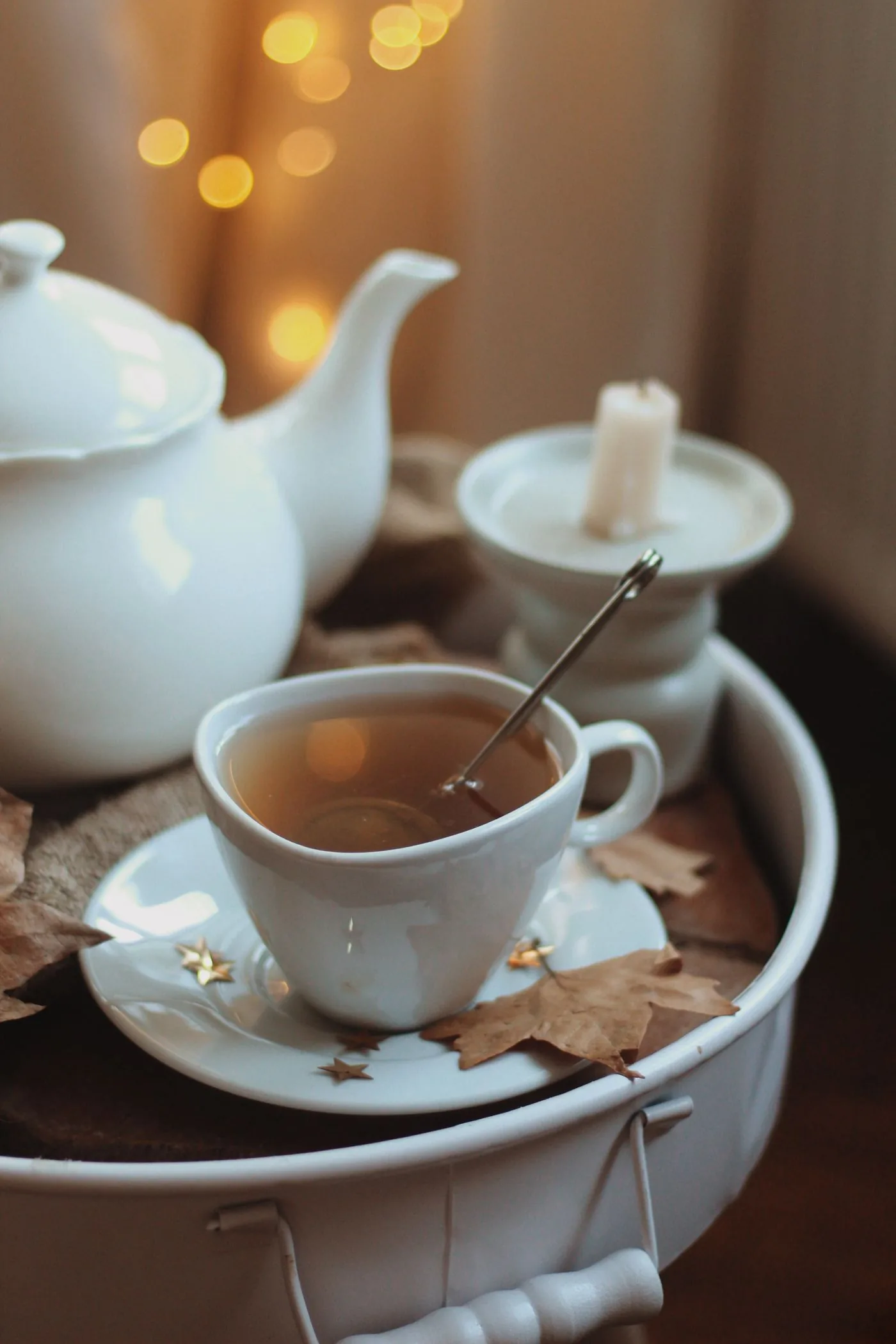
Read the current product description, brewing or care instructions, delivery terms, and returns policy. These links open the retailer’s own website; the photograph above does not represent a specific product.
Sources & further reading
Supplier instructions and primary references informing this guide. Specific products and guidance can change; confirm current details before buying.
- CDC: About Drinking Water · Checked 2026-11-14
- UK Tea & Infusions Association: The Perfect Brew · Checked 2026-11-14
A correction or a question? Get in touch.