Teaware · THE WUZHISHAN JOURNAL
Buying a Tea Kettle: Which Features Will You Actually Use?
Choose an electric kettle for daily tea by temperature settings, grip, filling, and care. Learn when variable control helps and when a simpler model is enough.
This guide includes retailer links. Links marked “affiliate” may earn us a commission at no extra cost to you. Read our link disclosure and editorial policy.
In this guide
Your morning involves a green tea before work, a black tea after lunch, and a larger pot when someone visits. A variable-temperature kettle could make that routine simpler. But a screen full of settings is not automatically useful if you mostly boil water for one familiar blend.
The best kettle purchase starts with your actual counter, cups, and hands. Temperature control is one decision among several, rather than the only feature worth comparing.
Decide whether variable temperature solves a problem
Different teas come with different preparation instructions. A kettle that heats to a selected temperature can reduce the guesswork involved in cooling freshly boiled water. It is particularly useful when you switch styles often or want a repeatable starting point while adjusting a brew.
If your usual tea calls for freshly boiled water, a simpler kettle may suit you well. You can still explore other teas with an appropriate thermometer and careful cooling, although that adds a step. Neither route guarantees the ideal cup without attention to leaf quantity and time. See our tea temperature guide for starting ranges and the importance of supplier directions.
Compare a wide spout with a gooseneck
A gooseneck gives a more deliberate, directed stream. That can feel useful when filling a small vessel, but a slow stream may be less convenient for a family-sized teapot. A broad spout can fill quickly, though the exact flow depends on the design and how you tilt it.
Do not buy a coffee-oriented pour-over kettle simply because it appears in attractive tea photographs. Consider the volumes you pour and whether you can hold the full kettle comfortably for that long. If possible, handle an empty display model, then remember that water adds weight.
Check capacity against the minimum fill
Look at both the maximum and minimum water level in the instructions. A kettle that holds plenty for guests may require more water than you want to heat for one small cup. Compare the stated capacity with your normal servings, and make sure you can read the water markings clearly.
Think about filling, too. Can the lid be removed without an awkward grip? Will the kettle fit under your tap or filter jug? Is the opening wide enough to inspect for scale? These small interactions happen more often than a special holiday tea service.
Read the controls as a daily task
Useful controls should make it clear whether the kettle is heating, holding, or switched off. Check the temperature units, adjustment steps, sound settings, and whether your preferred setting is remembered. A touch screen is not inherently easier than a dial, especially with wet hands or limited vision.
A hold function can be convenient during several short infusions. Read the time limit and operating instructions rather than assuming it remains active indefinitely. Do not use it as a way to store brewed tea in the kettle: most electric kettles are intended for water only.
Buy for your electrical supply and counter
Confirm the intended market, voltage, plug, and applicable safety documentation for the exact model. An attractive imported kettle may not be suitable for your local supply. Do not treat a plug adapter as a substitute for electrical compatibility.
Allow space for steam and safe lifting, following the manufacturer’s placement instructions. Keep the base and connector dry. Check where the cable exits and whether the route across your counter creates a snagging risk. A compact footprint is useful only if you can still fill and lift the vessel comfortably.
Buying advice: prioritize practical support
Pay first for suitable electrical specifications, stable handling, the settings you use, and accessible care instructions. Compare warranty terms, service availability, and replacement lids or parts in your region. Manufacturer product pages are primary sources for their own specifications, but promotional descriptions are not independent comparisons.
Skip connected features if you will not use them. A phone app does not resolve an uncomfortable handle or a display you cannot read. Avoid paying for the widest possible temperature range when your teas use only a small part of it. Likewise, do not dismiss a simpler kettle if its pouring and filling work better for you.
Plan for water and scale
Scale buildup and cleaning needs depend partly on local water and the maker’s instructions. Read the approved descaling method and rinse procedure before choosing a cleaning product. Keep electrical components out of water, and avoid scraping the interior with unsuitable tools.
The water for tea guide separates taste preferences from safe drinking-water requirements. A filter selected for flavor should not be assumed to make unsafe water drinkable.
Frequently asked questions
Does a temperature display prove the water is exact?
No display should be treated as an independent calibration certificate. Follow the manufacturer’s stated performance information and use the setting as a practical starting point. The tea, vessel, and pouring sequence also affect the brewing conditions.
Can I put leaves or milk in an electric kettle?
Only if the manufacturer explicitly allows that use for the model. Many electric kettles are water-only appliances. Brew in a separate vessel and clean the kettle according to its own instructions.
TAKE THE NEXT STEP
Compare the details before you buy.
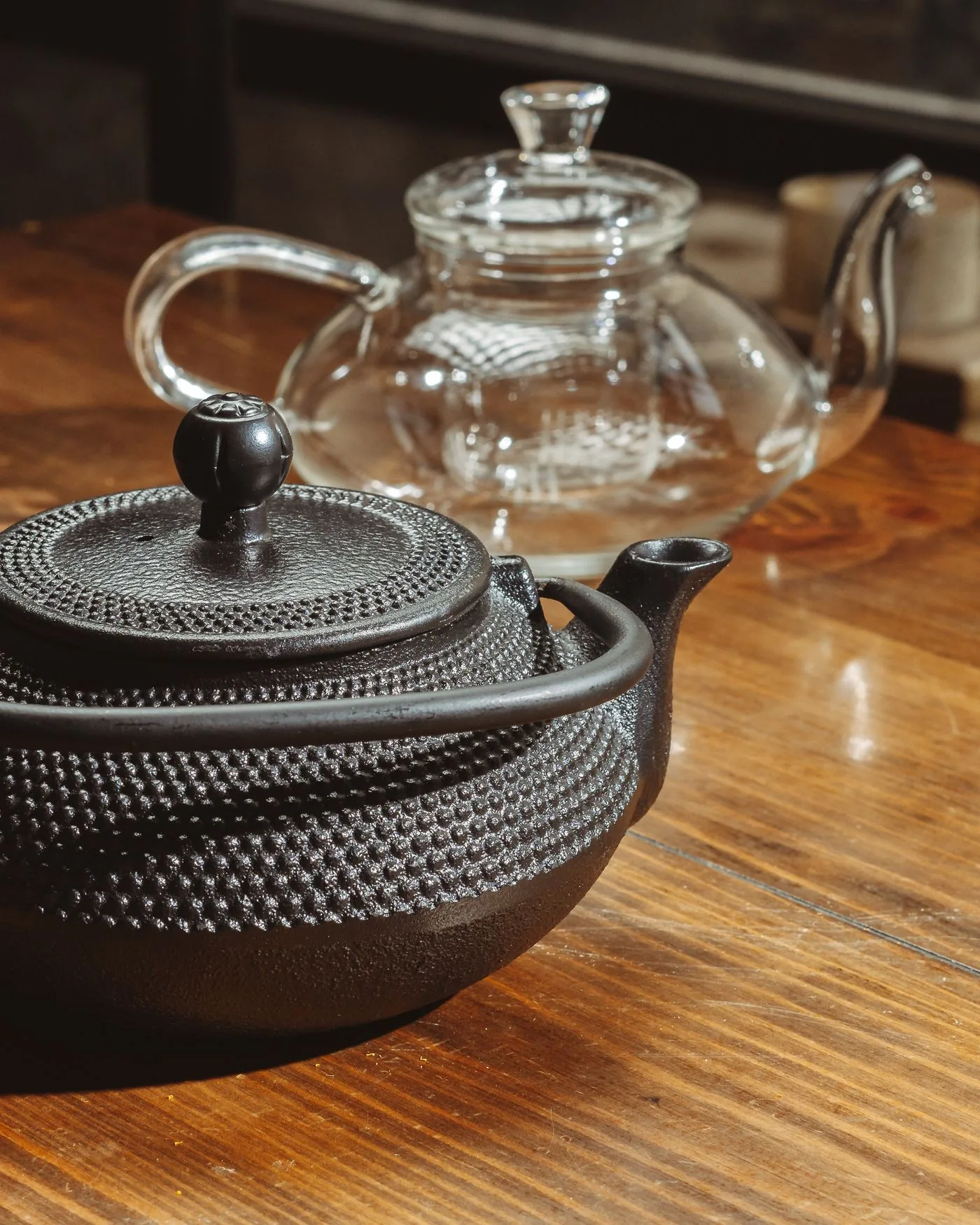
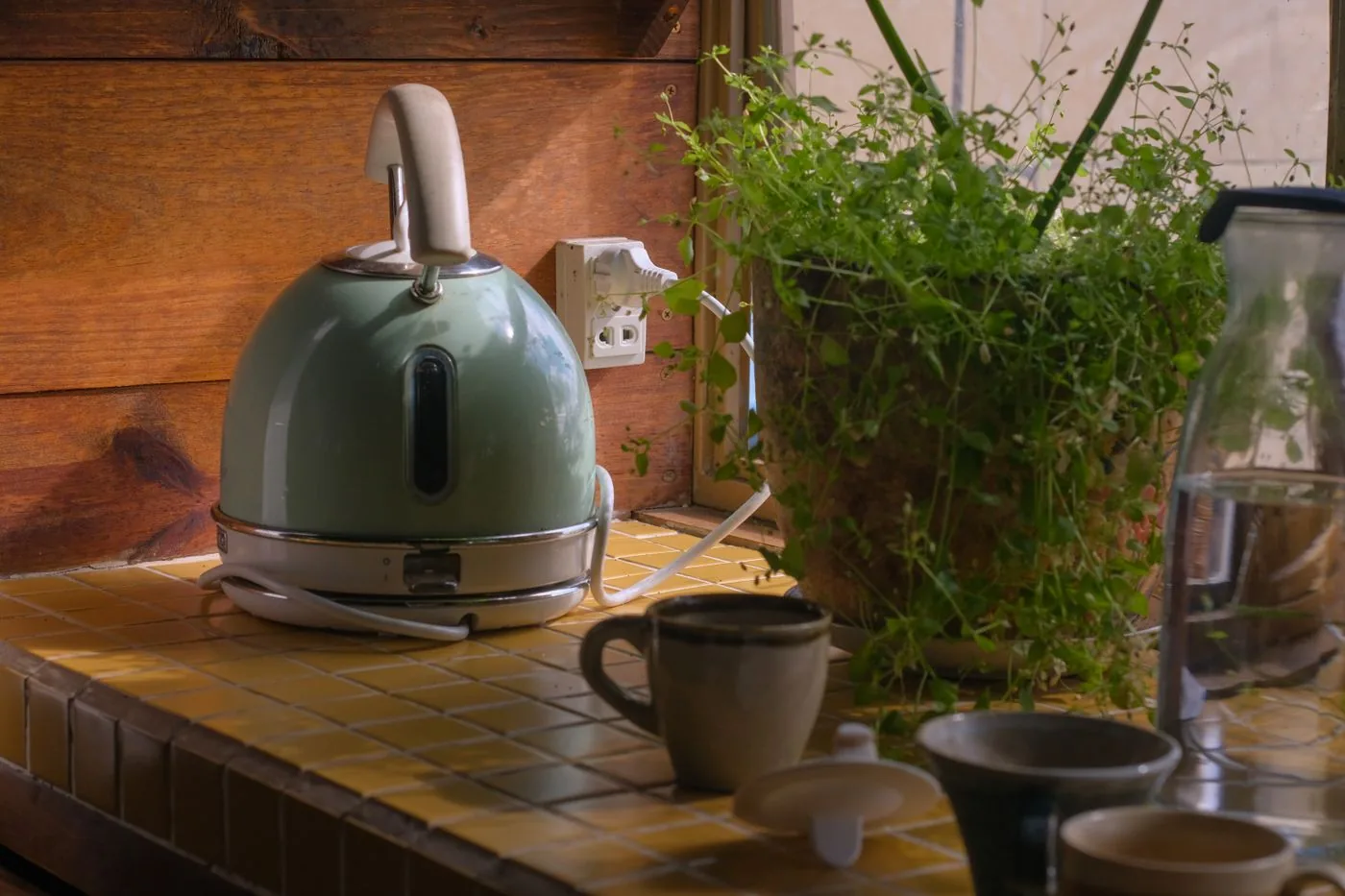
Read the current product description, brewing or care instructions, delivery terms, and returns policy. These links open the retailer’s own website; the photograph above does not represent a specific product.
Sources & further reading
Supplier instructions and primary references informing this guide. Specific products and guidance can change; confirm current details before buying.
- Fellow Stagg EKG specifications · Checked 2026-11-14
- Adagio electric tea kettles · Checked 2026-11-14
A correction or a question? Get in touch.