Teaware · THE WUZHISHAN JOURNAL
Choose a Tea Cup You Will Reach for Every Day
Find an everyday tea cup by rim, handle, usable volume, and cleaning needs. Compare small tasting cups and generous mugs without buying an unnecessary full set.
This guide includes retailer links. Links marked “affiliate” may earn us a commission at no extra cost to you. Read our link disclosure and editorial policy.
In this guide
There is often one cup everyone in a household quietly prefers. It might be a plain mug with a comfortable handle or a small cup that sits naturally in the hand. Finding another cup you enjoy starts with noticing why that familiar one works, rather than buying a coordinated set by its photograph.
Tea cups are intimate objects: your fingers meet the surface, the rim meets your lips, and the vessel sets the pace of the drink. Appearance belongs in the decision, but practical fit deserves equal attention.
Measure usable volume, not just capacity
Fill your favorite cup to the level you actually use, leaving comfortable headroom. Measure that water in a jug. A new cup’s listed capacity may be measured near the brim, so the serving you enjoy can be smaller than the number suggests.
For a morning mug, consider how much you finish before it cools beyond your preference. For short infusions shared from a small teapot, add up the cups’ usable portions. A beautiful set can be frustrating if one infusion fills only half the cups or leaves more tea than you want to keep.
Think about the rim and the first sip
A thin-looking rim can feel different from a thicker, rounded one, but photographs rarely tell the whole story. In person, inspect the shape and finish. Online, look for clear side views, dimensions, and a reasonable return policy rather than assuming a premium label guarantees comfort.
Do not treat any cup as permission to sip tea before it has cooled enough for you. The outside surface and the liquid may feel different, especially with insulated designs. Start with small, careful sips and allow appropriate cooling.
Handles change how you use the cup
Check finger clearance, balance, and the distance between your knuckles and the body. A tiny decorative handle can be less helpful than it looks. Think about the weight when filled, particularly if grip strength or wrist comfort matters to you.
Handleless cups can be lovely for smaller servings, but the body may become hot. Choose a size and shape you can hold safely, use an appropriate saucer or rest, and avoid filling the cup to a point that makes it difficult to handle. A handle is a sensible preference, not a compromise in your tea experience.
Match the cup to the brewing rhythm
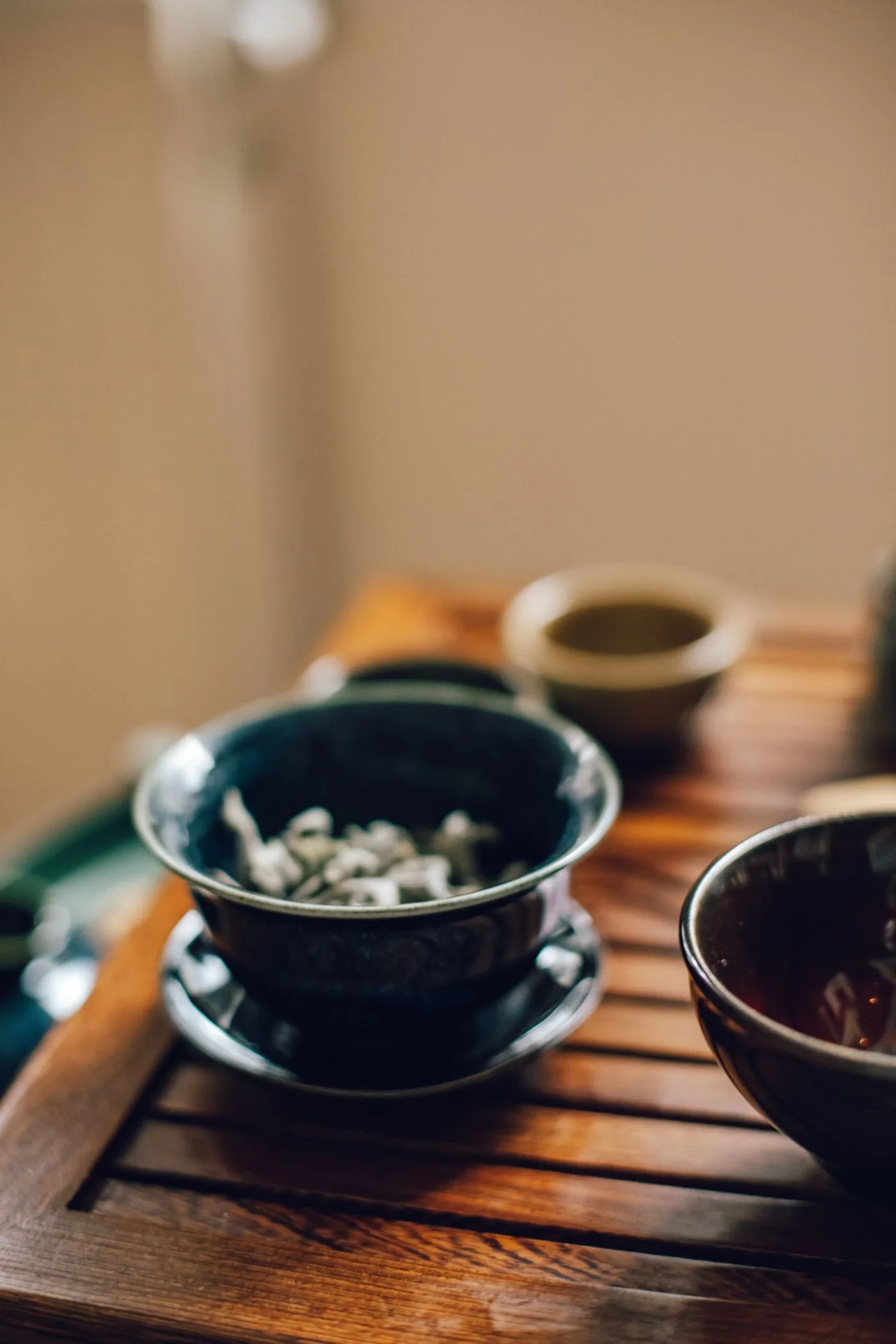
Small cups suit several short pours and a shared tea session. They let you compare successive infusions without committing to a large serving. A larger mug is convenient for a single desk-side cup, especially when paired with a removable basket.
Neither format is inherently more authentic or refined. If you are learning short infusions, our gongfu tea guide explains the serving rhythm. If you prefer one substantial mug, the tea infuser guide helps you check that the basket fits your chosen vessel.
Choose a surface you can maintain
A light interior makes it easy to see the tea and inspect for residue. Darker or patterned pieces may appeal for their appearance, but cleanliness still needs attention. Textured glazes, metallic decoration, and handmade finishes can come with particular care requirements.
Ask the maker or retailer whether the exact piece is dishwasher- or microwave-safe if those uses matter. Do not infer compatibility from the word “ceramic.” Avoid using chipped or damaged drinkware, and seek appropriate advice about vintage or unidentified pieces rather than assuming an old decorative cup is suitable for daily food contact.
Buying advice: try one before buying six
Buy a single cup when possible. Use it through several ordinary drinks, not just a first photograph. Notice whether it fits your dishwasher rack, sits steadily on your desk, and is comfortable when full. If you like it, you can add another without having committed to a complete service.
For a shared home, identical cups are optional. A mixture can work if serving volumes are similar enough for your teapot. If you do want a matching set, check whether replacements are sold individually. One broken cup need not make an entire set feel unusable.
Spend on a clear material description, consistent finish, comfortable dimensions, and trustworthy seller support. Decoration and craftsmanship can justify extra spending when they give you pleasure, but they should be described as those pleasures rather than a guarantee of better-tasting tea.
Keep the purchase grounded in your shelf
Check the cupboard height, stacking guidance, and space needed around fragile handles. A tall mug may not fit under your usual water dispenser; a broad cup may crowd a small tray. These constraints are easy to measure before ordering and irritating to discover afterward.
Give the new cup a proper clean according to its instructions, then brew a tea you know. A useful purchase should make that familiar moment more comfortable. If you keep reaching for the old mug instead, ask what the new one is missing before buying another design.
Frequently asked questions
Will a special cup make tea taste better?
Shape and the way you sip can affect your experience, but preferences differ. Do not assume a costly cup improves every tea. Compare with a familiar cup and pay attention to comfort, aroma, and enjoyment rather than a marketing promise.
Are small cups only for experienced tea drinkers?
No. They are simply useful for small, repeated servings. Choose them if that pace suits you, and keep a mug for days when a larger single cup is more convenient.
TAKE THE NEXT STEP
Compare the details before you buy.
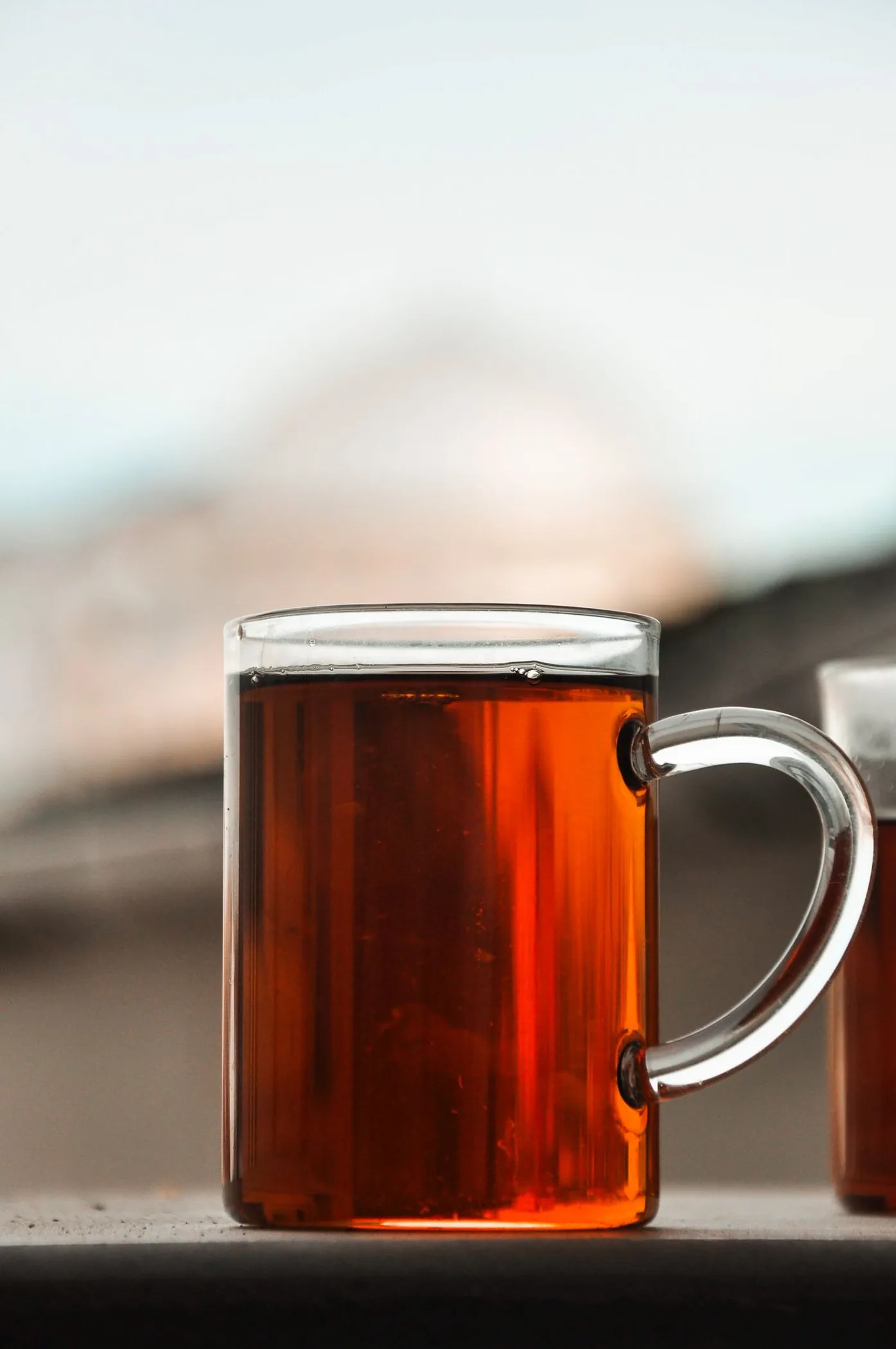
Read the current product description, brewing or care instructions, delivery terms, and returns policy. These links open the retailer’s own website; the photograph above does not represent a specific product.
Sources & further reading
Supplier instructions and primary references informing this guide. Specific products and guidance can change; confirm current details before buying.
- Adagio ceramic tea cups and mugs · Checked 2026-11-14
- Adagio porcelain cup specifications · Checked 2026-11-14
A correction or a question? Get in touch.