Teaware · THE WUZHISHAN JOURNAL
Glass or Ceramic? Choose a Teapot for Your Real Routine
Compare glass and glazed ceramic teapots for visibility, handling, cleaning, and everyday use, with practical buying advice for a first or replacement pot.
This guide includes retailer links. Links marked “affiliate” may earn us a commission at no extra cost to you. Read our link disclosure and editorial policy.
In this guide
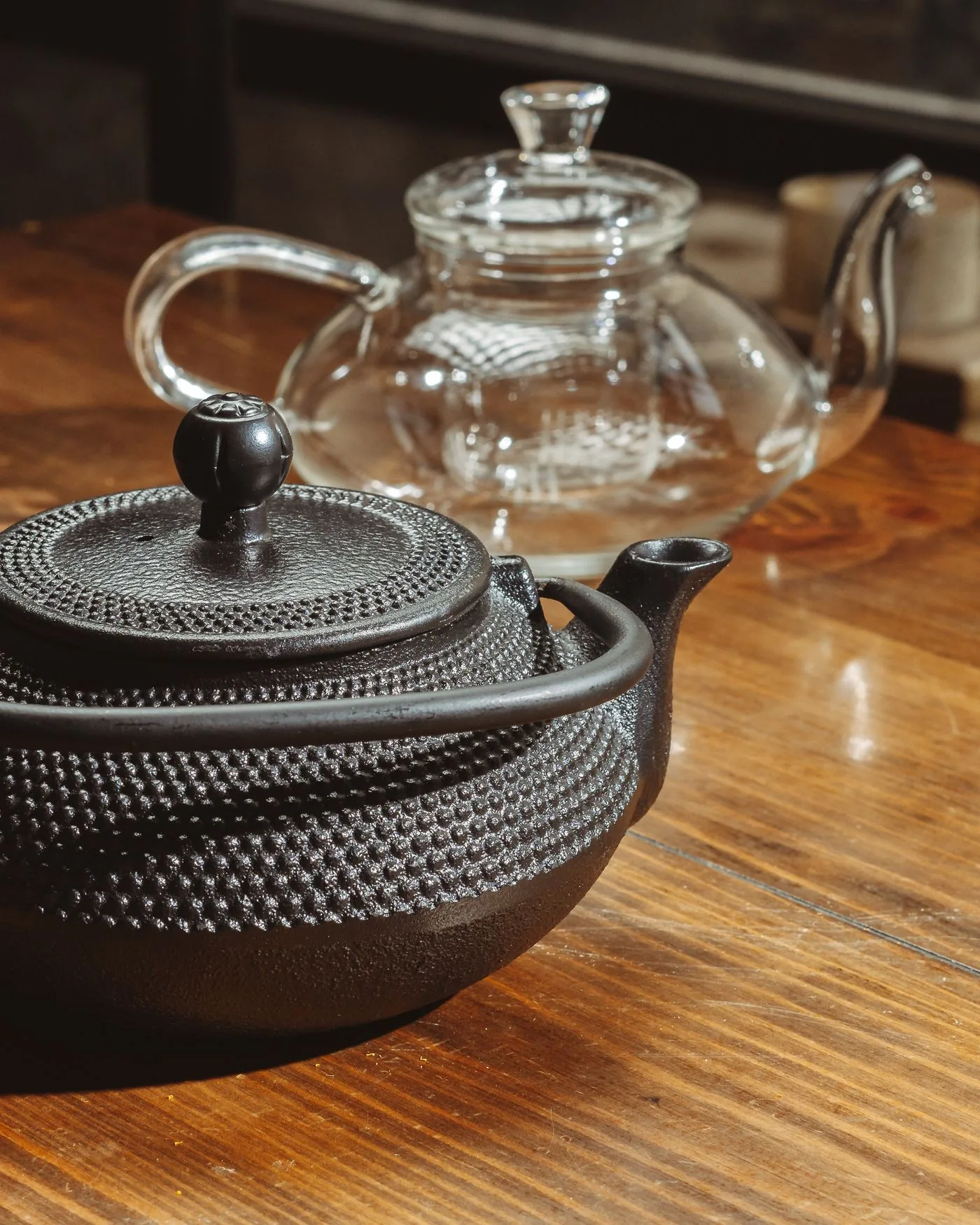
On one shelf sits a clear teapot that turns a handful of leaves into an afternoon display. On another is a glazed ceramic pot that looks at home beside breakfast plates. Choosing between them is easier when you imagine Tuesday’s washing-up instead of a beautifully styled product photograph.
Glass and ceramic are broad categories, not complete performance descriptions. Two pots made from the same material can feel very different. Use the material to narrow your preferences, then judge the actual design.
Glass makes the process visible
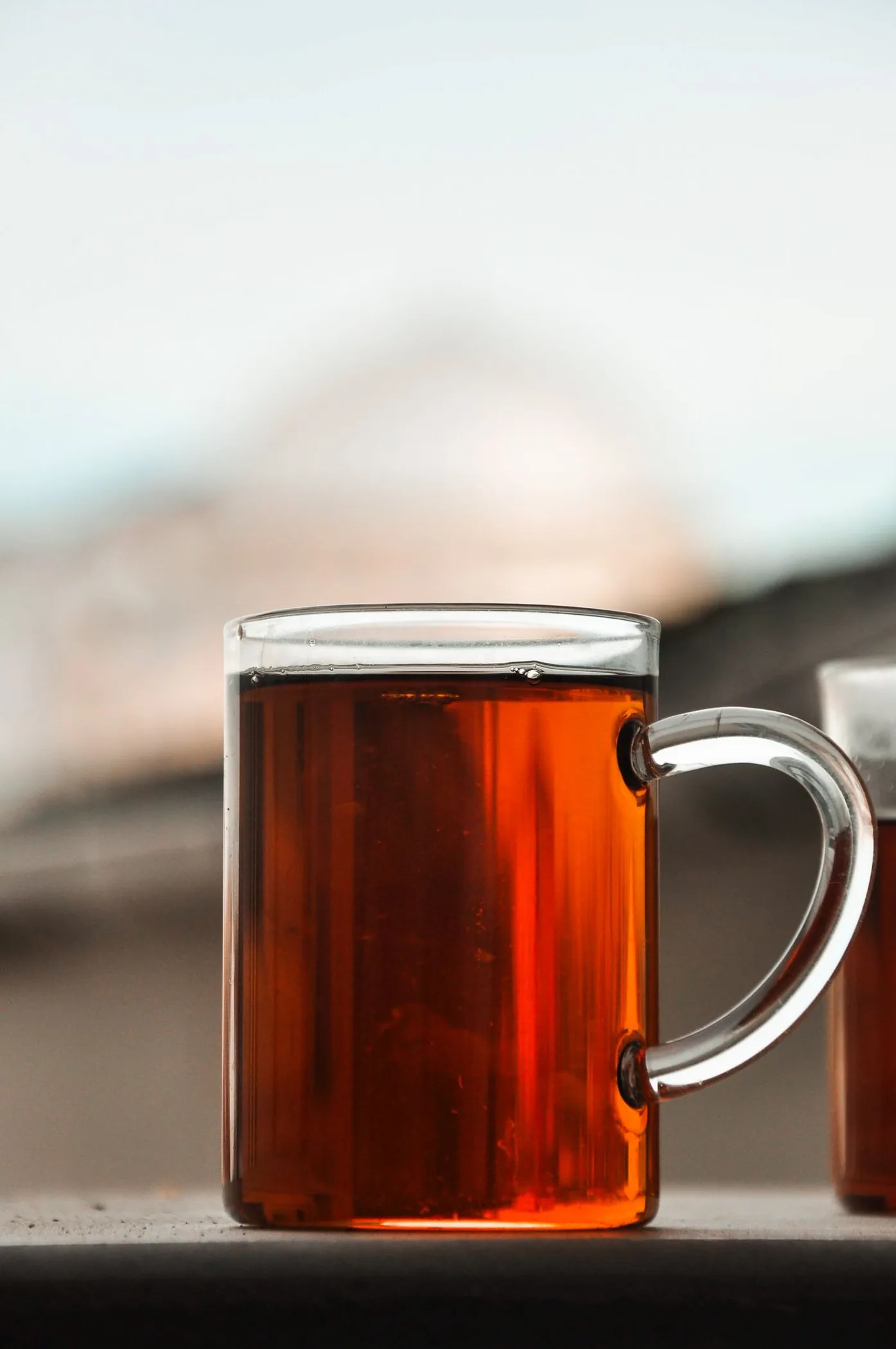
A transparent pot lets you see the infusion deepen and notice how the leaves move. That can make sharing a new tea more engaging. It is also easy to spot a forgotten leaf or residue inside. If the visual side of tea gives you pleasure, this is a real reason to choose glass.
The same transparency puts water marks, fingerprints, and tea staining on display. These are ordinary maintenance considerations, not evidence that the tea was poor. Look for a shape you can reach inside and a filter that is easy to remove. A beautiful narrow-necked pot may require more deliberate cleaning than you want before work.
Glazed ceramic offers another kind of familiarity
An opaque pot can feel less visually busy on a breakfast table, and colors or decoration can make it a welcome permanent object in the kitchen. A light glazed interior still lets you inspect cleanliness. Many glazed designs can serve different teas without the dedicated-use decisions associated with unglazed clay.
Ceramic may chip or crack, and a substantial-looking pot is not necessarily comfortable when full. The rim, spout, and lid remain vulnerable places. Check whether a replacement lid is available and whether the handle gives your fingers enough clearance from the hot body.
Avoid the heat-retention shortcut
It is tempting to say that ceramic always stays hot and glass always cools quickly. Actual results depend on the specific design, including wall thickness, volume, lid opening, room temperature, and how much tea remains. A general material label cannot tell you exactly how long your cup will stay warm.
For a leisurely shared pot, consider whether you can finish the infusion at a comfortable temperature without keeping the leaves in the water. A serving jug or smaller pot may solve that problem more effectively than paying for an unverified heat-retention promise. Prewarming should follow the vessel’s instructions, particularly where abrupt temperature changes are a concern.
Compare the filter before the silhouette
A removable basket lets you stop the infusion while leaving brewed tea in the pot. A fixed spout filter generally expects you to pour the finished tea into another vessel. Both arrangements can work, but they fit different habits.
Check how low the basket reaches if you plan to brew a partial pot. Look for enough room for your leaves to open and a practical place to put the dripping basket. Our tea infuser buying guide explains why filter shape can matter more than a decorative lid.
Cleaning is part of the comparison
Read the instructions for every component, including metal baskets, lids, plastic parts, and decorative finishes. A dishwasher-safe body does not automatically make the complete assembly dishwasher-safe. Do not assume glass can take sudden temperature changes or that all glazed decoration tolerates abrasive cleaners.
After use, remove the leaves and clean the pot before residue dries firmly in place. Let it dry fully with the lid off. If a seller gives only vague care advice, ask before ordering. You should not have to discover the cleaning limits through damage.
Buying advice: choose the better design for you
For a solo morning, prioritize a manageable working volume and quick cleanup. For a slow afternoon with a friend, a clear pot may make a lovely centerpiece. For a busy household, an easy-to-grip handle, stable base, and wide opening may matter more than either material’s appearance.
Spend on clear specifications and good fit. Skip a large set if the cups do not match the portions you drink. Check shipping protection, damage reporting, return costs, and replacement parts. A fragile item can be expensive to replace even when its initial price seems modest.
When comparing listings, distinguish glass from a transparent polymer brewer: they may look similar in photographs but have different care requirements. Retailer product pages are primary sources for their own materials and instructions, not independent evidence of superiority. The first teapot checklist brings these decisions together before you order.
Frequently asked questions
Can I put a glass or ceramic teapot on the stove?
Only if the manufacturer explicitly permits that model and heat source. Many teapots are designed for steeping after water has been heated elsewhere. Appearance and material names are not enough to establish stovetop compatibility.
Which material changes the flavor less?
For routine switching between tea styles, clean glass or a properly maintained glazed ceramic interior is a practical choice. Residue, scented blends, and cleaning habits complicate comparisons. Do not buy a material on the promise that it will automatically improve every tea.
TAKE THE NEXT STEP
Compare the details before you buy.
Read the current product description, brewing or care instructions, delivery terms, and returns policy. These links open the retailer’s own website; the photograph above does not represent a specific product.
Sources & further reading
Supplier instructions and primary references informing this guide. Specific products and guidance can change; confirm current details before buying.
- Hario glass teapot material and use instructions · Checked 2026-11-14
- Harney & Sons ceramic and glass teapots · Checked 2026-11-14
A correction or a question? Get in touch.