Teaware · THE WUZHISHAN JOURNAL
Your First Gaiwan: A Small Bowl, a Better Starting Point
Learn how to choose a first gaiwan with a manageable size, comfortable lid, and safe practice routine, plus what to check before buying an elaborate set.
This guide includes retailer links. Links marked “affiliate” may earn us a commission at no extra cost to you. Read our link disclosure and editorial policy.
In this guide
A friend pours several tiny cups from a lidded bowl, and suddenly tea feels less like one long steep and more like a conversation. The vessel is a gaiwan: a bowl, lid, and often a saucer. It can be a straightforward way to explore loose-leaf tea, provided you choose one you can handle comfortably.
There is no need to imitate a fast demonstration on a screen. Hot porcelain, steam, and a loose lid deserve an unhurried introduction. Your first purchase should make learning easier, rather than impressing anyone watching.
Start with the amount you want to pour
A gaiwan’s advertised capacity can be measured to the brim, while the working fill level sits lower. Check the seller’s explanation and compare it with the cups or serving pitcher you intend to use. A very large bowl becomes heavier and may be harder to grip; an extremely tiny one can feel fiddly.
Choose a modest working volume for short sessions instead of assuming larger means more versatile. If you will share, add up your cups’ comfortable serving volume. You can repeat short infusions without needing a bowl large enough to fill everyone’s usual breakfast mug.
Look closely at the rim and lid
A flared rim gives your fingers somewhere to hold above the main body. The lid should sit predictably and tilt enough to create a pouring gap. A broad, accessible knob may be easier to manage than a small decorative one, but hands differ. The best shape is one you can control without stretching or squeezing.
Ask for a side-view photograph if the listing only shows the vessel from above. Check whether a saucer is included and whether the lid is sold separately if broken. Handmade variation can be part of the appeal, but a seller should still describe dimensions and intended use clearly.
Glazed porcelain is a useful first material
A plain glazed interior makes it easy to inspect leaves, rinse away residue, and switch between different tea styles. It also gives you fewer care decisions than an unglazed clay vessel. This is a practical starting point, not a claim that one material is always superior.
Thinness, wall shape, fill level, and technique all affect how hot a particular gaiwan feels. Avoid descriptions that imply any vessel is burn-proof. If heat sensitivity or limited grip makes a gaiwan uncomfortable, a small handled teapot remains a perfectly reasonable choice.
Practice before introducing hot water
Place the vessel on a stable, dry surface. Fill it with cool water below the rim and try lifting the lid, making a narrow pouring gap, and emptying the bowl into a wide serving jug. Keep your other hand out of the path of the pour. Repeat until the motion feels controlled.
Move to warm water gradually and keep the fill level conservative. Steam may escape near your fingers; stop if the grip becomes uncomfortable. A tray catches spills but does not prevent burns. Keep children and pets away from the practice space, and never rush to save a slipping hot vessel.
For a full sequence of short infusions, read gongfu tea at home. The guide treats leaf quantity and timing as adjustable starting points rather than a test of authenticity.
Buying advice: the set can wait
The essential purchase is a suitable gaiwan. Existing small cups and a heat-appropriate serving jug may cover the rest. A cloth and stable tray are useful, but carved tools, display stands, and a large draining table are optional. Buying fewer pieces leaves room to discover how you like to brew.
Look for a seller who states the material, capacity, and dimensions and provides clear photographs. Consider return costs, especially for a fragile international shipment. Do not assume an unsupported “food-safe” badge answers questions about a handmade glaze; ask the seller for the relevant documentation and manufacturer guidance.
An inexpensive, plain design is sensible for learning. Spend more later for workmanship or a shape you have learned to prefer, rather than paying for claims that a particular pattern will improve the tea. You are choosing a tool and an object to enjoy, not a shortcut to expertise.
Make the first session familiar
Use a tea whose flavor you already recognize. Follow that seller’s directions for the style of brewing you are trying, and pour each infusion out completely. Notice how the vessel feels when full and whether the lid gap holds back the leaves comfortably. If your hands are working too hard, reduce the fill or change vessels.
Wash and dry the pieces as instructed after the session. The teaware care guide explains why a routine suitable for glazed porcelain should not automatically be applied to bamboo, unglazed clay, or a metal kettle.
Frequently asked questions
Can I brew every tea in a gaiwan?
Many loose teas can be brewed in one, but tiny particles may escape around the lid. A basket brewer may be more convenient for finely cut blends. Follow the tea supplier’s preparation guidance and choose the vessel that makes the session manageable.
Is a gaiwan necessary for serious tea drinking?
No. It offers direct control and a clear view of the leaves, but comfort matters more than a particular vessel. A mug with a roomy basket or a small teapot can make a very satisfying cup.
TAKE THE NEXT STEP
Compare the details before you buy.
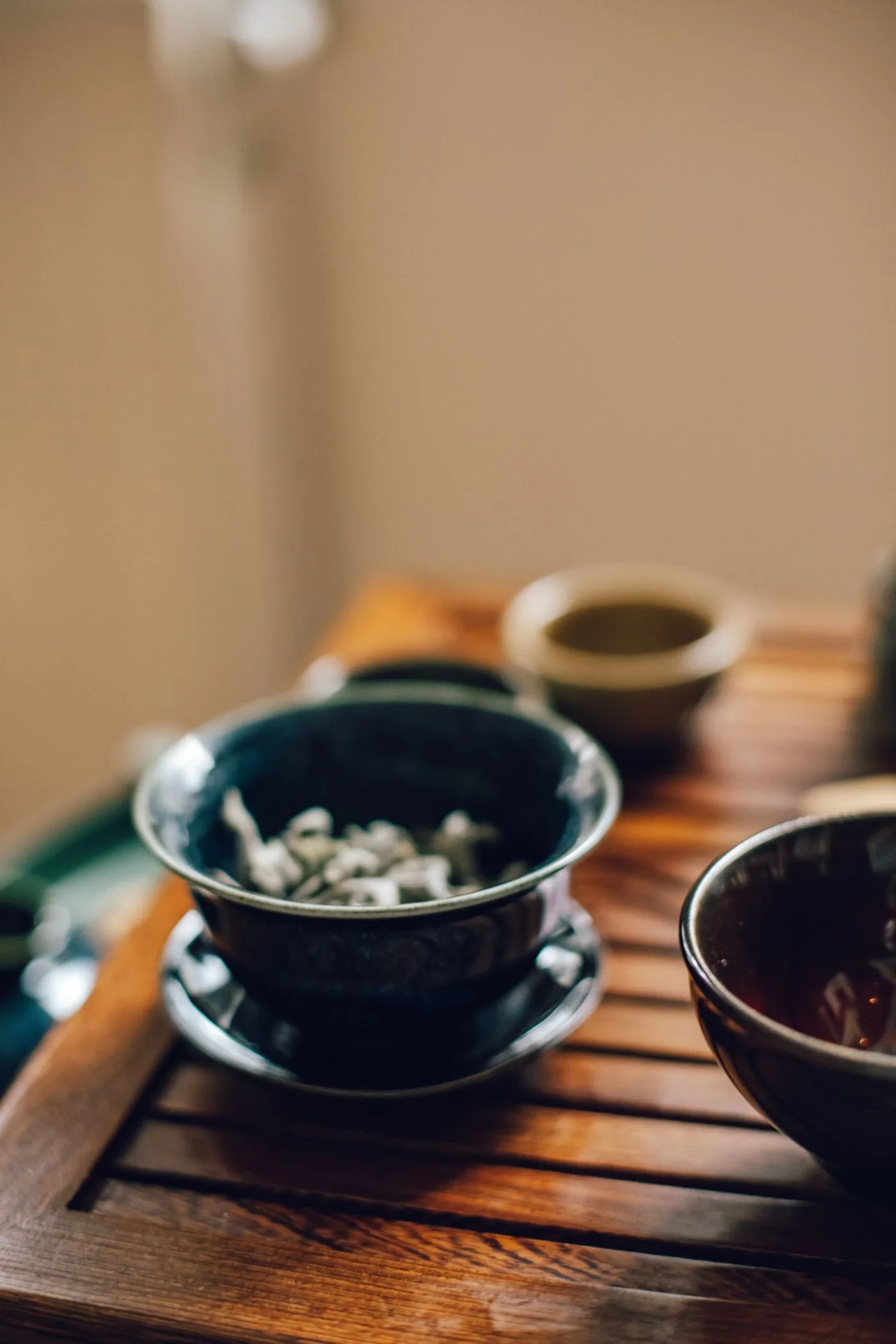
Read the current product description, brewing or care instructions, delivery terms, and returns policy. These links open the retailer’s own website; the photograph above does not represent a specific product.
Sources & further reading
Supplier instructions and primary references informing this guide. Specific products and guidance can change; confirm current details before buying.
- Yunnan Sourcing gaiwan selection · Checked 2026-11-14
- Yunnan Sourcing Dawn Mist porcelain gaiwan specifications · Checked 2026-11-14
A correction or a question? Get in touch.