Teaware · THE WUZHISHAN JOURNAL
A Simple Care Routine for Teapots, Whisks, and Kettles
Keep teaware ready for the next cup with practical material-specific care: clear steps for glazed pots, glass, filters, bamboo whisks, and electric kettles.
This guide includes retailer links. Links marked “affiliate” may earn us a commission at no extra cost to you. Read our link disclosure and editorial policy.
In this guide
- Keep the instructions with the purchase
- Empty the leaves while cleanup is easy
- Glass and glazed ceramic need specific guidance
- Bamboo whisks need air, not an enclosed damp case
- Unglazed clay deserves its own routine
- Keep electrical cleaning separate
- Buying advice: easier care is a real feature
- Dry before putting everything away
- Frequently asked questions
The tea session ends, someone knocks at the door, and the pot sits on the tray until evening. Leaves dry into the basket, the whisk goes back into its case while damp, and tomorrow’s easy cup begins with an avoidable cleanup job. A short end-of-session routine is more useful than a shelf of specialist cleaning products.
The central rule is simple: care for the actual item you own. A routine that works for one glass pot may be unsuitable for a bamboo whisk or an electrical kettle.
Keep the instructions with the purchase
Before first use, identify the material of the body, lid, basket, decoration, and seals. Save the maker’s care page or manual. A product may have different instructions for different components, so the description of the main vessel is not always enough.
If the item is handmade, vintage, or unmarked, ask the seller about intended use and suitable care. Do not assume a decorative piece is meant for hot drinks. Unclear instructions are a reason to pause before applying heat, chemicals, or a dishwasher cycle.
Empty the leaves while cleanup is easy
After the final infusion, separate the leaves and empty them into an appropriate waste or compost container according to local guidance. Avoid washing loose leaves into a drain where they can collect. Let hot parts cool enough to handle safely before cleaning.
Rinse or wash the accessible surfaces as instructed. Inspect the underside of lids, spout openings, basket seams, and any removable seals. A quick look catches residue before it dries in place. If you are keeping leaves for another infusion, plan that within the same session rather than leaving them forgotten for another day.
Glass and glazed ceramic need specific guidance
Some glass and glazed pots are dishwasher-safe, but that does not mean every basket or decorated lid belongs in the same cycle. Hario’s instructions for its ChaCha Kyusu Maru, for example, identify permitted uses and distinguish the metal strainer from the glass vessel for microwave use. Apply that information only to the stated product.
Avoid abrupt temperature changes unless the manufacturer explicitly allows them. Do not move an unfamiliar cold pot straight into extreme heat or use an abrasive tool to scrape staining away. If tea residue remains after ordinary washing, ask the maker for an approved method before choosing a stronger cleaner.
Bamboo whisks need air, not an enclosed damp case
Follow the maker’s preparation and rinsing directions. Ippodo advises wetting its chasen tips before use, rinsing without soap soon afterward, and drying it in the open air. It also advises replacing a whisk with broken tips. These details deserve more attention than keeping the original packaging pristine.
Gently remove visible matcha without crushing the tines. A compatible stand can support shape while drying, but ventilation still matters. Do not put a damp whisk into a closed box. Our matcha starter-kit guide explains how drying space should influence the accessories you buy.
Unglazed clay deserves its own routine
Do not automatically apply scented detergent, a dishwasher cycle, or a long chemical soak to an unglazed vessel. Ask its maker or specialist seller how to clean and dry it, including what to do if an aroma or stain develops. Different materials and finishes can require different treatment.
If you are unsure whether a vessel is glazed internally, check before choosing a cleaning method. A plain glazed pot may be the more convenient everyday option when a household switches between strongly scented blends and more delicate teas.
Keep electrical cleaning separate
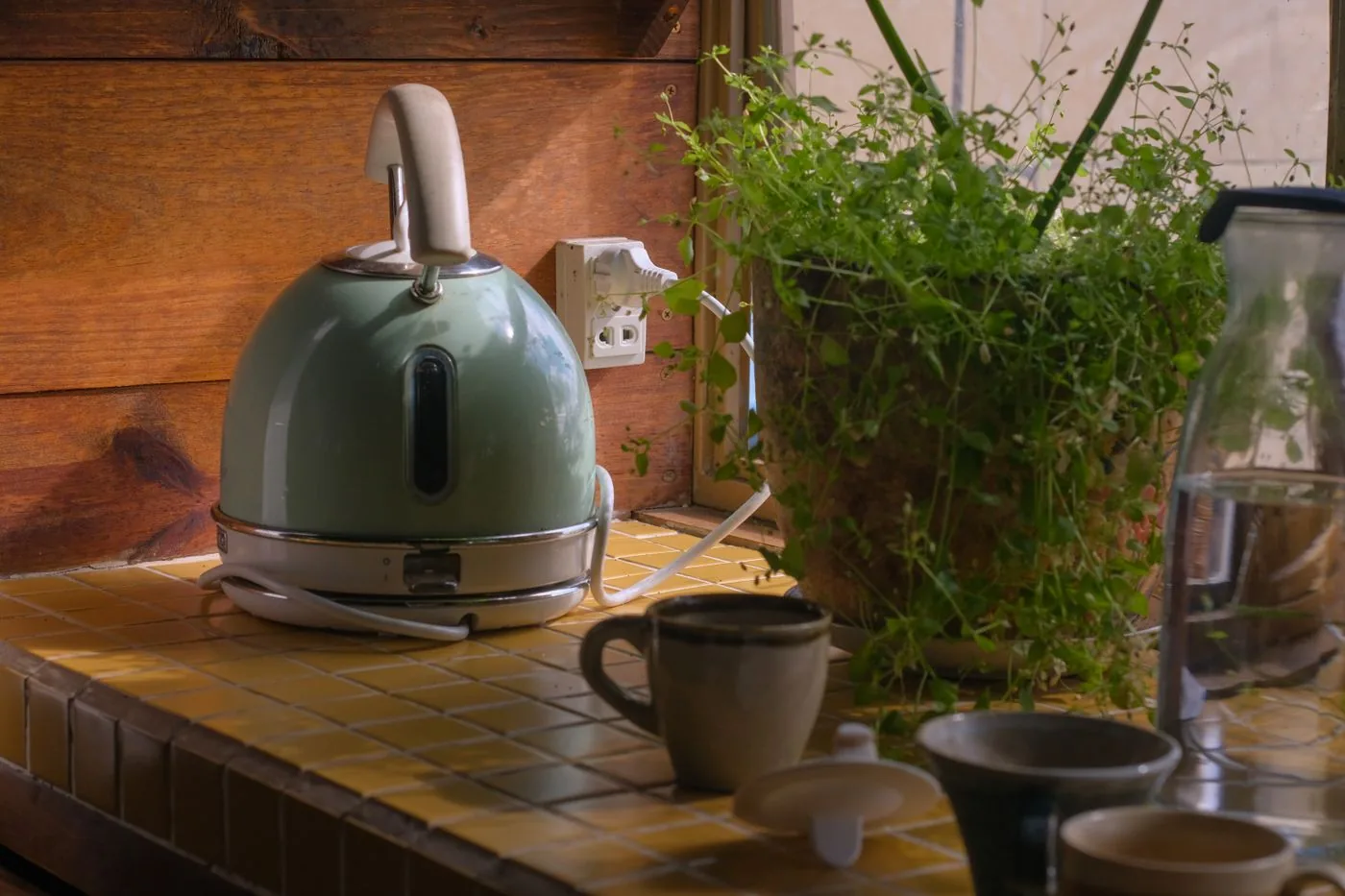
For an electric kettle, unplug and follow the manual’s cooling and cleaning instructions. Keep the base, connector, and other electrical components out of water. Use only an approved descaling method and rinse as directed before returning the appliance to drinking-water use.
Do not assume a household cleaner is suitable because it removes marks elsewhere. Scale conditions vary with local water, and the right frequency depends on use and maker guidance. Our electric kettle buying guide explains why accessible support and cleaning information belong in the purchase decision.
Buying advice: easier care is a real feature
When replacing teaware, look for a wide opening, removable components you can inspect, clear material information, and replacement seals or baskets where relevant. A narrow ornamental opening may be beautiful but inconvenient for your routine. Decide whether that tradeoff is enjoyable or simply extra work.
Skip a large cleaning kit until you know what the manufacturers recommend. A soft cloth, suitable brush, and approved washing method may cover much of your setup. Buy a specialist product only when it is appropriate for the item and solves an identified problem.
Dry before putting everything away
Leave cleaned vessels open in a safe place until fully dry, following the maker’s storage advice. Make sure nested cups, baskets, and seals are dry before assembling a travel kit. Store fragile lids so they cannot fall when the cupboard opens.
Inspect for cracks, chips, damaged seals, or loose parts during this routine. Stop using damaged drinkware or equipment when its condition could affect safe handling, and ask the manufacturer about replacement rather than improvising a repair.
Frequently asked questions
Are tea stains always a reason for harsh cleaning?
No. Appearance alone does not tell you which treatment is appropriate. Clean according to the material and maker’s instructions, and ask about persistent marks rather than escalating to an abrasive or chemical method at random.
Can I put the whole tea set in the dishwasher?
Only if every component is explicitly approved for it. Bamboo, electrical parts, some finishes, seals, and unglazed items may have different requirements. Check pieces separately instead of treating the set as one material.
TAKE THE NEXT STEP
Compare the details before you buy.
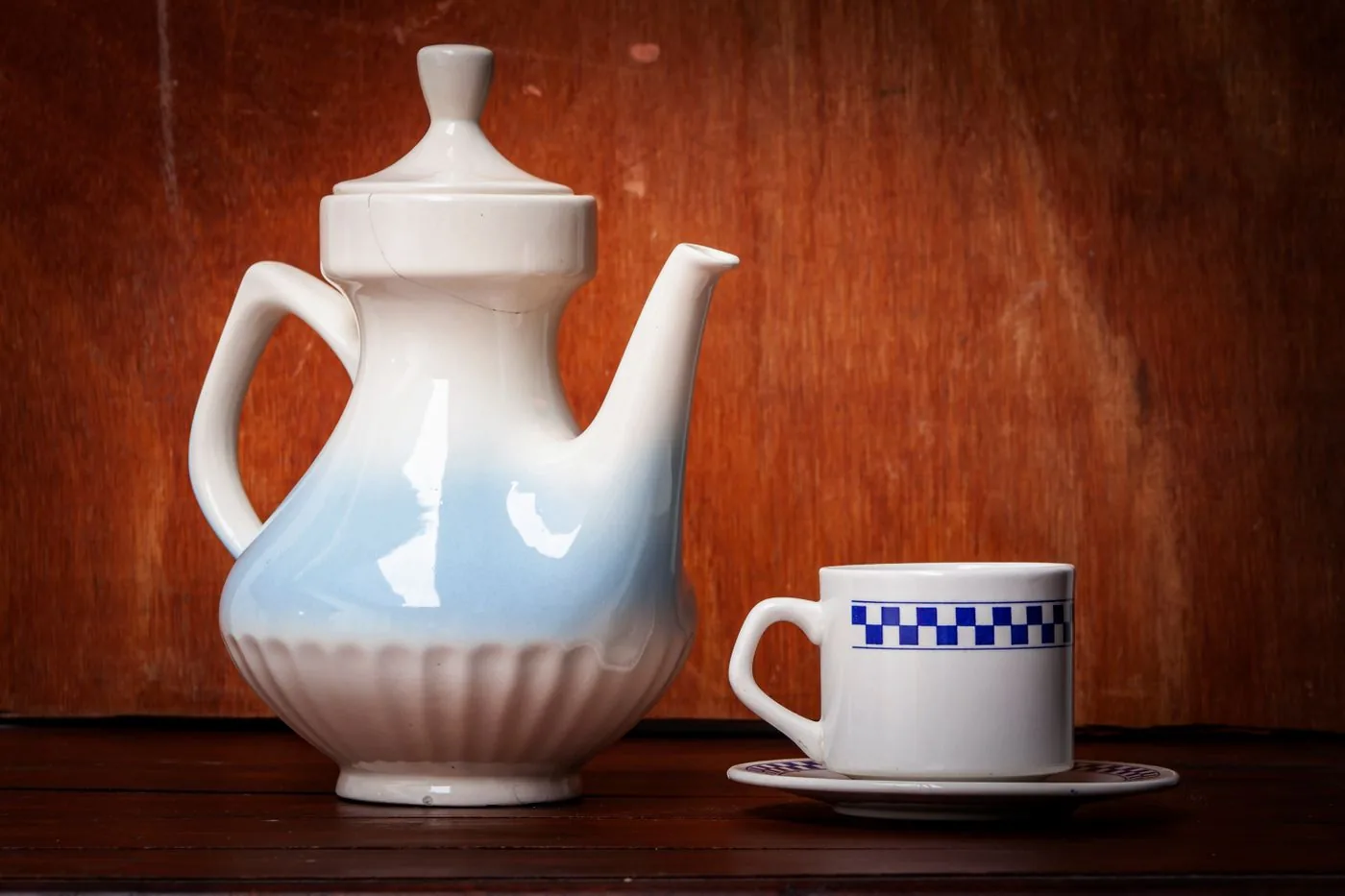
Read the current product description, brewing or care instructions, delivery terms, and returns policy. These links open the retailer’s own website; the photograph above does not represent a specific product.
Sources & further reading
Supplier instructions and primary references informing this guide. Specific products and guidance can change; confirm current details before buying.
- Hario ChaCha Kyusu Maru use and care · Checked 2026-11-14
- Ippodo chasen care instructions · Checked 2026-11-14
- Fellow Stagg EKG product and support information · Checked 2026-11-14
A correction or a question? Get in touch.