Tea & Life · THE WUZHISHAN JOURNAL
How to Buy Tea Online Without Guessing at the Details
Read tea product pages with confidence. Compare origin, ingredients, packet size, brewing instructions, shipping costs, and returns before you place an order.
This guide includes retailer links. Links marked “affiliate” may earn us a commission at no extra cost to you. Read our link disclosure and editorial policy.

In this guide
An online tea shop can present hundreds of choices before you have finished one cup. Photographs show attractive leaves, tasting notes promise everything from flowers to cocoa, and a larger packet looks cheaper by weight. The useful response is to slow the purchase down and answer a few practical questions about the tea and the seller.
Begin with what you want to change about your current cup. You might want a less brisk breakfast tea, a plain green tea instead of a flavored bag, or a small roasted oolong to explore. That goal makes the product information easier to judge. Without it, almost every attractive description can feel relevant.
Check what is actually in the packet
Look for the tea type and complete ingredients. A blend may include flavorings, fruit, flowers, or sweetening ingredients; read the details rather than inferring from the product name. If caffeine or an ingredient sensitivity matters, seek explicit information and ask the seller when the description is incomplete.
Origin and processing details can be useful, especially when comparing similar teas. They do not need to be equally elaborate for every product. A named region, producer, harvest date, or processing style should help explain the tea, not merely decorate the page. Avoid treating evocative storytelling as proof of authenticity or quality.
Separate flavor notes from ingredients
A tea described as having a honey or nutty note does not necessarily contain honey or nuts. Conversely, a flavored blend may contain added ingredients that deserve a separate check. Read the ingredient list alongside the tasting description so you know which kind of information you are looking at.
Tasting notes are also subjective. A supplier’s description helps set expectations but cannot guarantee exactly what you will notice in your water and brewing setup. Look for broader directions you understand, such as roasted, brisk, floral, or grassy. You do not need to identify every elaborate note to enjoy or evaluate a tea.
Find the preparation before ordering
Check the recommended leaf amount, water volume, temperature, and infusion time. Ask whether those directions fit your equipment. A product that needs a different method may still be interesting, but factor the extra learning or tools into the decision rather than discovering them after delivery.
The UK Tea & Infusions Association emphasizes following the pack instructions because teas differ. If the shop offers only a generic rule for every product, ask a specific question. Our tea temperature guide explains useful starting points without treating them as fixed rules for every leaf.
Compare the complete order
Read the packet weight and the form of the tea. A tin, refill pouch, assortment, and individual sachets are not directly interchangeable. Compare like with like, including the amount you expect to use. A large order may qualify for a shipping offer, but spending extra to reach a threshold is not automatically a saving.
Check delivery destinations, shipping charges, estimated timing, taxes, and any possible import requirements for your location. These can change, so verify them at checkout. Harney & Sons’ shipping page is an example of a merchant’s current policy information, not a universal rule for tea retailers or international orders.
Read returns and damaged-delivery procedures before paying. Food products may have different return terms from accessories, and opened packets may be treated differently from unopened ones. Keep the order confirmation and product information. If a shop’s contact details or policies are unclear, consider another seller rather than relying on a polished homepage.
Buying advice: make the first order informative
Choose a small quantity of an unfamiliar tea. If you want to compare, select two or three meaningfully different options instead of several near-identical products with descriptions you cannot yet distinguish. Give each tea more than one careful attempt before deciding it is not for you. Our tea sampler guide offers a structured approach.
Do not pay more solely for words such as premium, ceremonial, ancient, or exclusive. Ask what verifiable information supports the distinction and whether it matters to your use. Certification claims should be specific and supported by the seller; a decorative seal in a photograph is not enough to establish them.
After the tea arrives, check the package, labels, and any storage directions. Contact the seller about damage or discrepancies while the order details are easy to locate. Note what you liked about the cup and method. That record makes the next purchase more useful than starting again with a page of beautiful descriptions.
Are more expensive teas always better?
No price can guarantee your preference. Processing, origin, packaging, scarcity, and distribution can all affect the cost. Judge whether the product information is clear and whether the flavor and preparation fit your purpose, then choose a quantity that limits the risk of an unfamiliar purchase.
Should I trust customer ratings?
Treat them as one source of context, not proof. Look for specific comments about flavor, packaging, and service, and consider how reviews are collected. A seller’s clear identity, usable policies, complete product information, and a small first order provide more practical safeguards than a large star count alone.
TAKE THE NEXT STEP
Compare the details before you buy.
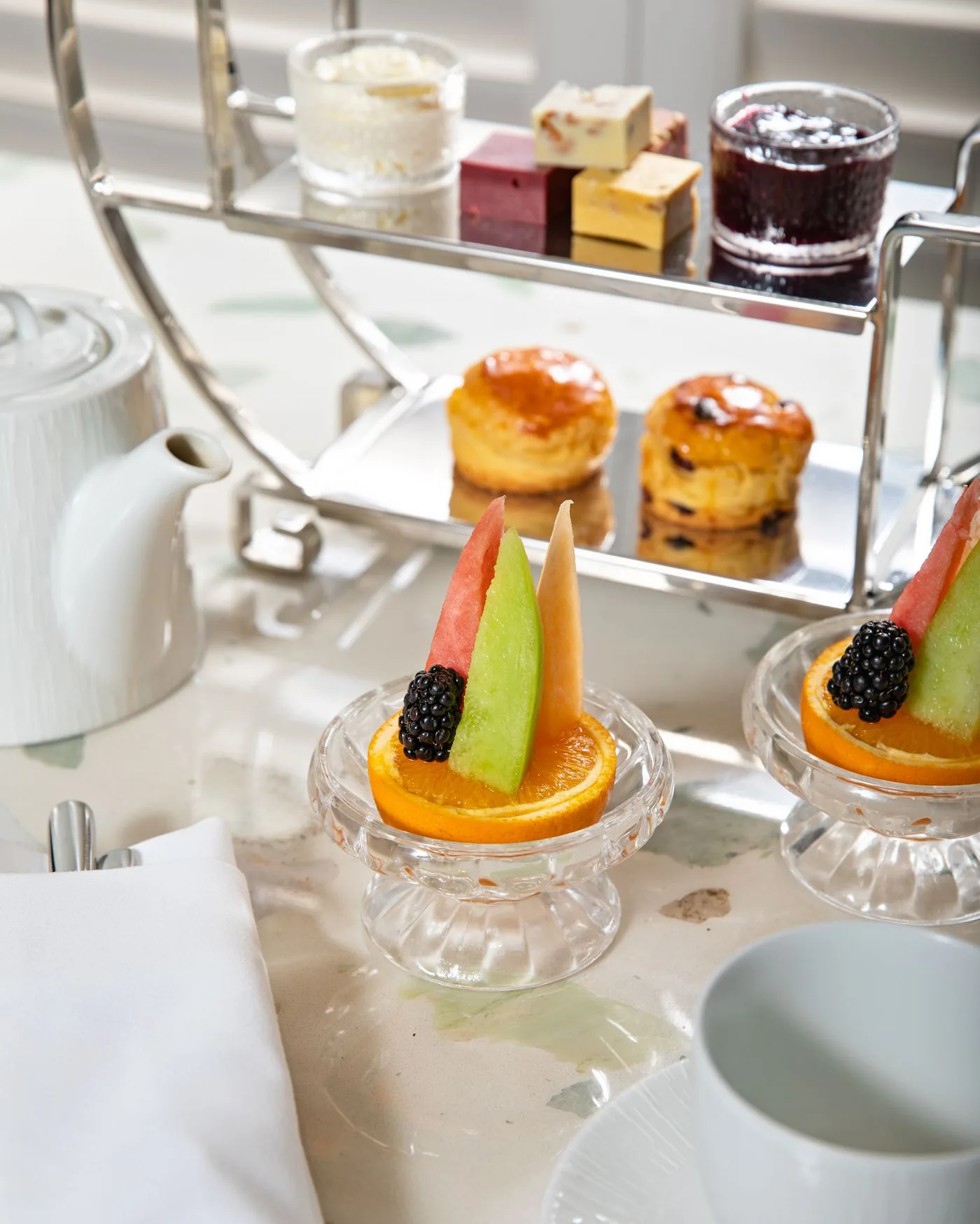
Read the current product description, brewing or care instructions, delivery terms, and returns policy. These links open the retailer’s own website; the photograph above does not represent a specific product.
Sources & further reading
Supplier instructions and primary references informing this guide. Specific products and guidance can change; confirm current details before buying.
- FTC: Online Shopping · Checked 2026-11-14
- Harney & Sons: Shipping Methods and Fees · Checked 2026-11-14
- UK Tea & Infusions Association: The Perfect Brew · Checked 2026-11-14
A correction or a question? Get in touch.