Tea & Life · THE WUZHISHAN JOURNAL
A Simple Afternoon Tea for Two at Home
Plan an easy afternoon tea for two with one pot, a manageable menu, and thoughtful buying choices. A relaxed shared table at home needs less than you think.
This guide includes retailer links. Links marked “affiliate” may earn us a commission at no extra cost to you. Read our link disclosure and editorial policy.
In this guide
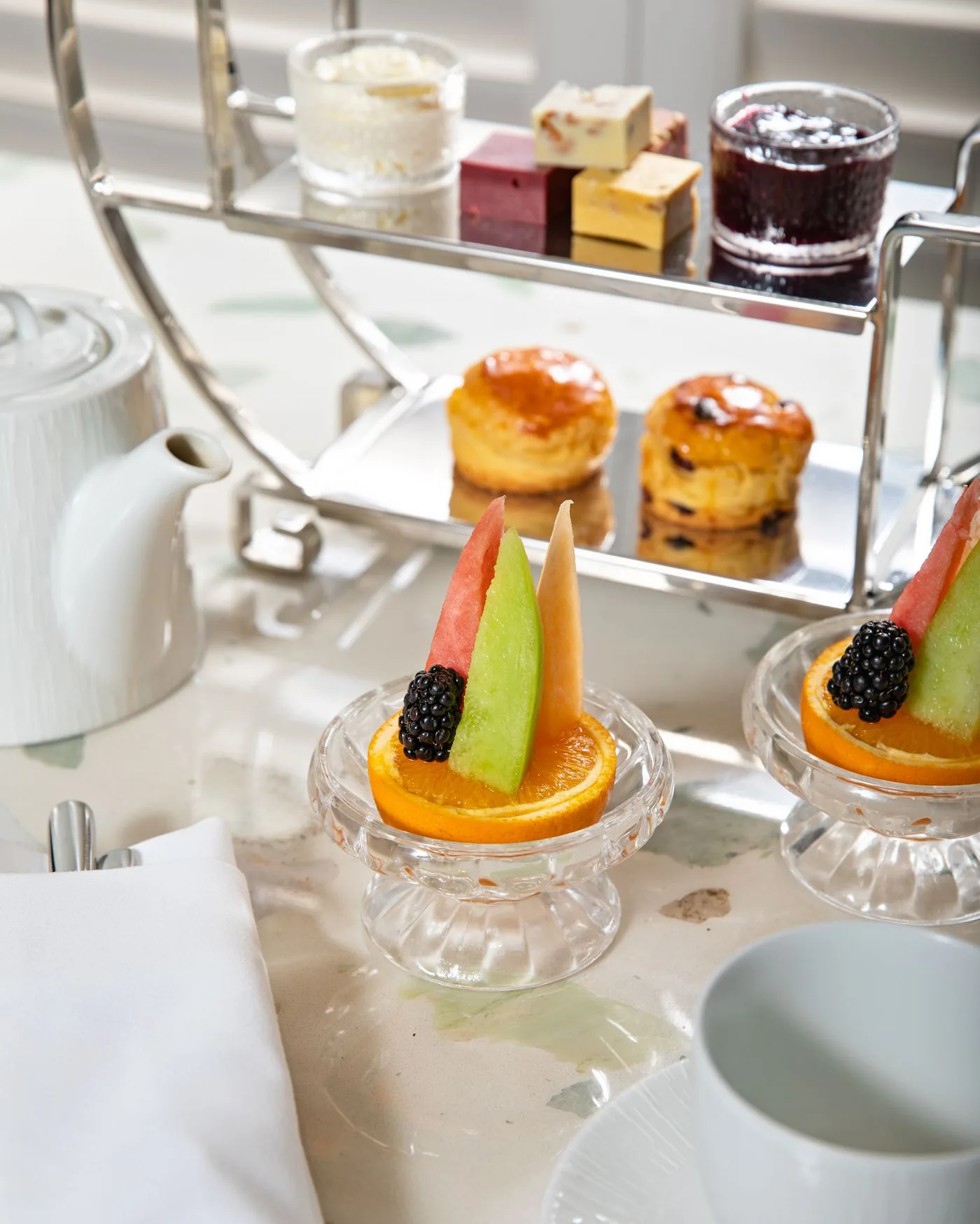
An afternoon tea for two can begin with clearing one end of the table. It does not need a tiered stand or a full day of baking. A pot of tea, a small amount of food, and enough time to sit together create the occasion. Keep the plan small enough that the person preparing it can enjoy the table too.
Start by asking what the other person drinks. A familiar black tea may be welcome with cake; a green tea or herbal infusion may suit different preferences. Ask about caffeine, food allergies, and milk choices before shopping. The best menu is one both people can comfortably enjoy rather than a strict interpretation of a formal tradition.
Choose one tea and a sensible pot size
Look at the cups you will actually use. Two small teacups and two large breakfast mugs require very different volumes. Measure a comfortable serving in each cup and use that as a guide to the total water needed. Remember that a pot’s advertised capacity is not always a comfortable working fill; check its instructions and leave appropriate space.
If you do not own a suitable teapot, brew separately in two mugs with removable infusers. Sharing the same tea does not require sharing a vessel. A second small fresh brew is often preferable to making an oversized pot that waits through the whole afternoon.
Build a short menu
Choose one savory option and one sweet option. Small sandwiches, a piece of cake, or a few biscuits can be enough. Use food you already know how to prepare, and consider buying one component from a bakery. An unfamiliar recipe is optional; several unfamiliar recipes create work without guaranteeing a more enjoyable tea.
Put perishable fillings and dairy ingredients back in the refrigerator while the table is being arranged. Follow food labels and local food-safety advice. CDC guidance emphasizes keeping perishable food out of the temperature range where bacteria can grow and refrigerating it promptly. A long, leisurely afternoon is a good reason to serve small amounts and replenish from the refrigerator.
Set the table for comfortable use
Leave room for the teapot handle, a stable place for the lid, and a dish for the used infuser. Make it easy for either person to reach the cups without reaching over hot water. Napkins and ordinary plates are useful; coordinating patterns are optional. A tray can organize serving items, but check its stability before loading it with hot liquid.
Avoid strongly scented candles close to the tea. They can overwhelm the aroma, particularly with lighter teas. If the room needs atmosphere, daylight, a clear table, and a favorite piece of music can do the job without competing with the cup.
Brew when you are ready to sit
Prepare the food and cups first, then make the tea. Follow the leaf’s own recipe for water temperature, amount, and time. The UK Tea & Infusions Association recommends reading the pack instructions rather than using one rule for every tea. Remove the leaves or decant the brewed tea when the infusion is finished.
Serve milk, sweetener, or lemon separately if either person wants them. Taste the tea first, then adjust to preference. If you want to explore the flavor together, compare what each person notices without turning it into a guessing competition. Our home tea tasting guide offers a simple two-cup approach.
Buying advice: resist buying the entire occasion
If you expect to host regularly, a pot with a removable, roomy infuser and a comfortable handle may be useful. Check the pouring instructions and care requirements. A delicate pot with an awkward lid can make a relaxed afternoon more stressful, especially if you are serving on a small table.
An everyday tea you both like is a better starting purchase than a large presentation collection. Buy a small amount of an unfamiliar blend, and read the ingredients if flavorings or allergens matter. For choosing a sharing vessel, see the glass versus ceramic teapot comparison.
Skip extra serving pieces until the routine reveals a need. A tiered stand takes cupboard space, and special cups may be less comfortable than your ordinary ones. Spend where it changes the experience: fresh food, a tea you enjoy, and a practical pot you can use again.
What if the two people want different teas?
Brew separate cups or small pots. Check each tea’s instructions rather than using one temperature and timer for both. A shared table can still feel connected when the drinks are different, and avoiding a compromise tea nobody wants is usually worthwhile.
Can I prepare the tea well in advance?
For a hot afternoon tea, arrange the food and equipment in advance and brew close to serving. Remove the leaves on time. If you want a cold drink instead, prepare and refrigerate it using an appropriate method, and keep milk and other perishable additions chilled until serving.
TAKE THE NEXT STEP
Compare the details before you buy.
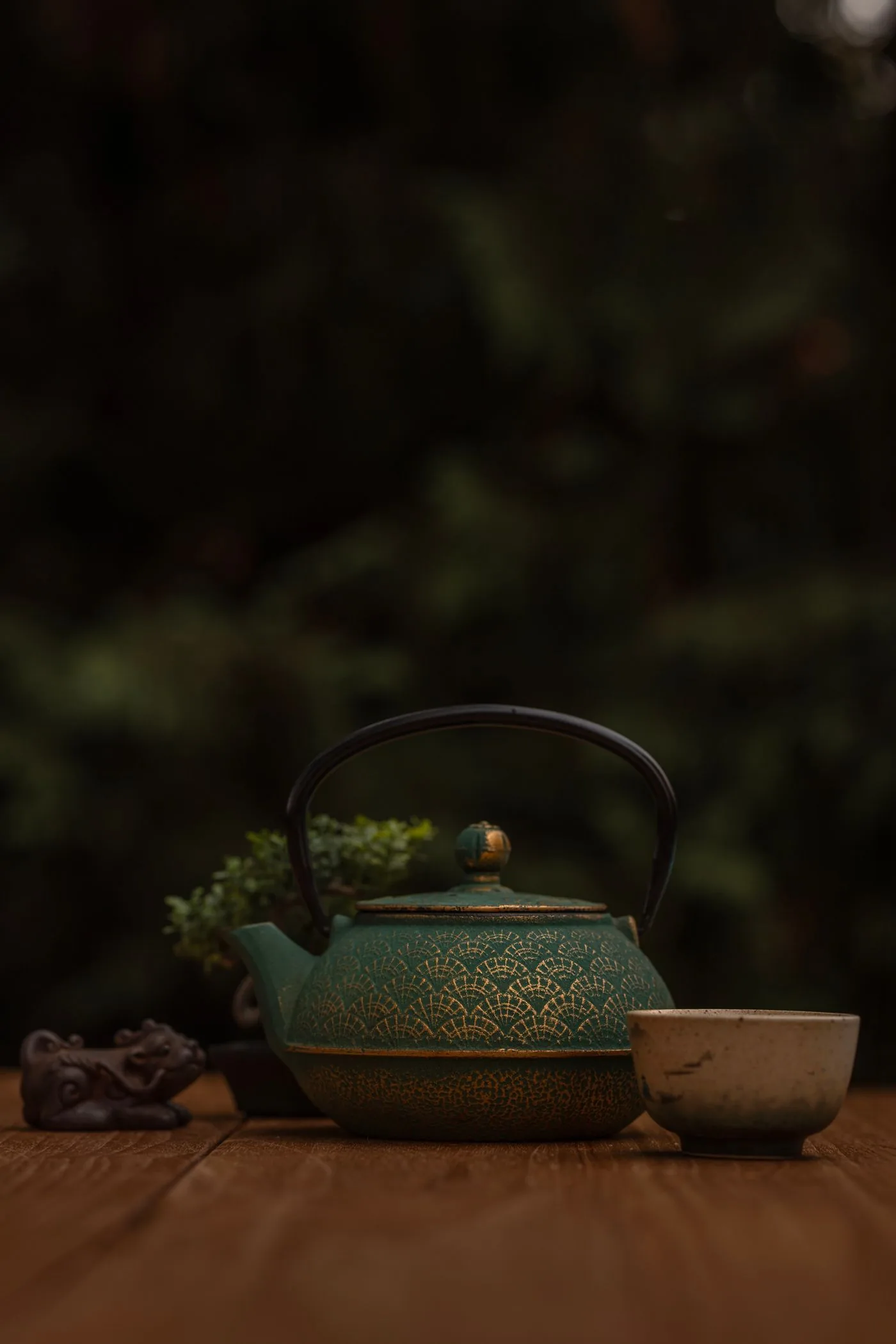
Read the current product description, brewing or care instructions, delivery terms, and returns policy. These links open the retailer’s own website; the photograph above does not represent a specific product.
Sources & further reading
Supplier instructions and primary references informing this guide. Specific products and guidance can change; confirm current details before buying.
- UK Tea & Infusions Association: The Perfect Brew · Checked 2026-11-14
- CDC: Preventing Food Poisoning · Checked 2026-11-14
A correction or a question? Get in touch.