Tea Leaves · THE WUZHISHAN JOURNAL
Hojicha: A Roasted Tea for Your Everyday Cup
Explore hojicha's roasted flavor, choose between leaves and latte powder, and build a simple home routine without assuming a brown cup is caffeine-free.
This guide includes retailer links. Links marked “affiliate” may earn us a commission at no extra cost to you. Read our link disclosure and editorial policy.
In this guide
You like the idea of green tea, but the grassy cup you tried was not what you wanted beside your afternoon snack. Hojicha offers another direction. Its roasted character can feel familiar to someone who enjoys toasted grain or warm, gently smoky aromas, while remaining a tea you can prepare in an ordinary home kitchen.
The practical first choice is whether you want brewed leaves or a milk-based drink. Hojicha products are not all interchangeable, so start with the cup you intend to make rather than a broad label.
A green-tea category can produce a brown cup
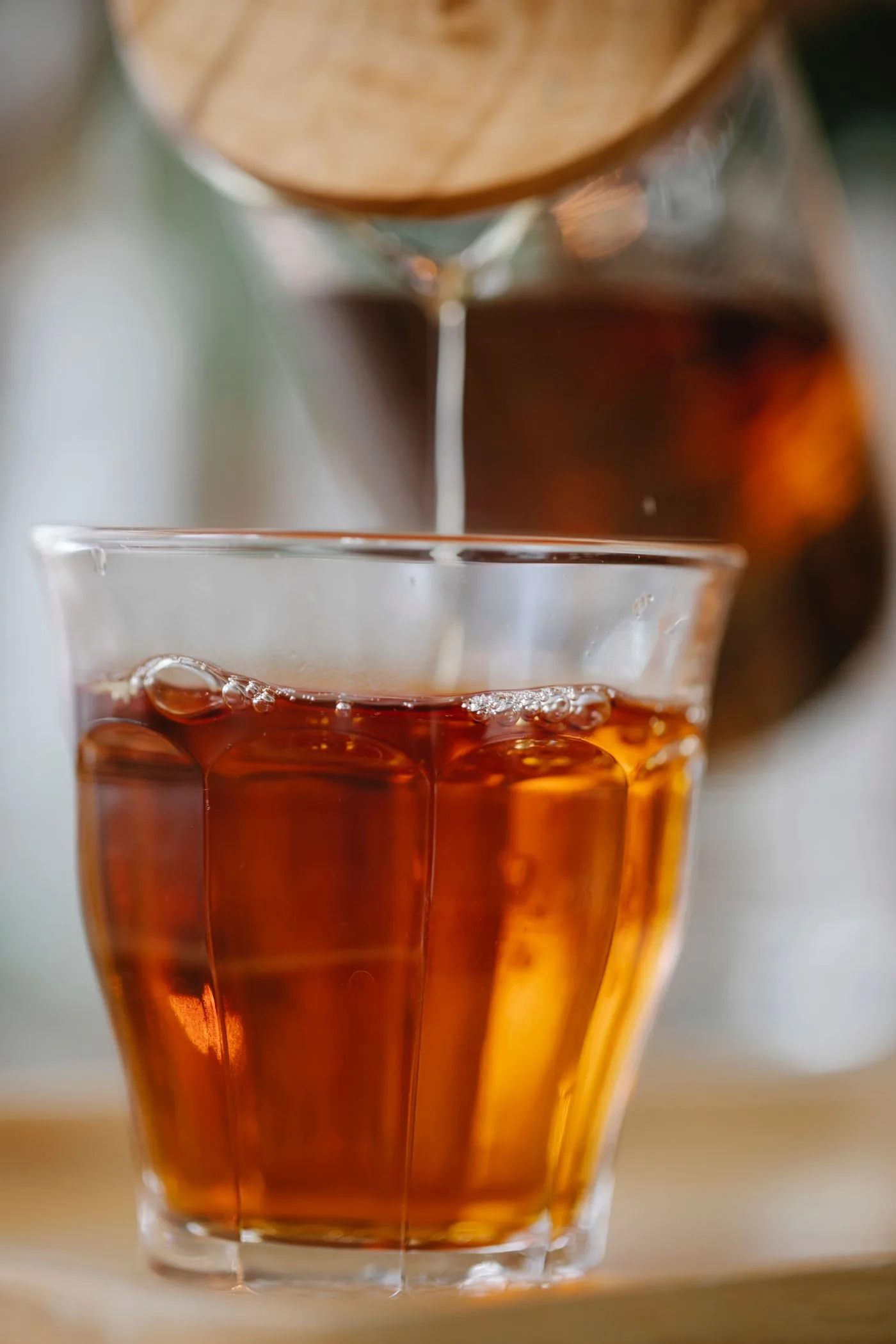
Hojicha is associated with roasted Japanese green tea. Roasting changes its aroma and appearance, so the finished drink can look very different from the bright green cup a newcomer expects. Color is not a reliable shortcut to caffeine content or quality.
Listings may distinguish leaf and stem material or describe different roasting profiles. Those details can help explain a producer’s range, but your first task is simpler: decide whether the described flavor appeals to you and whether the preparation fits your routine.
Do not assume every roasted tea will taste identical. If one version seems too smoky or too light, another product may differ. Supplier notes can help you narrow the comparison, but they cannot promise exactly what you will perceive.
Decide between leaves and powder before ordering
Loose-leaf hojicha is brewed and separated from the water, much like other leaf teas. It is a sensible starting point for someone who wants a plain hot cup, an iced version prepared safely, or a small shared pot.
Hojicha powder is used differently because the powder becomes part of the drink rather than being strained out like leaves. Some products are intended for lattes, baking, or other preparations. A sweetened drink mix is another distinct product. Read the ingredient list and preparation directions so you do not buy one format for a recipe that assumes another.
You can also make a milk drink using brewed leaves when following a suitable recipe. Ippodo publishes a hojicha-with-milk method for its tea. That is producer guidance for a particular approach, not evidence that every product needs the same quantities or timing.
Build a repeatable plain cup
Start with the supplier’s leaf quantity, water volume, temperature, and time. Hojicha leaves can look bulky, so a spoonful is not a universal measure across products. A small scale is useful if available; otherwise use the same spoon and mug consistently while following the pack’s guidance.
Give the leaves room in a basket or teapot, set a timer, and pour or lift the leaves away from the finished tea. Taste at a comfortable temperature. If the cup seems faint, check your water volume and portion before simply extending the infusion.
Notice what you want from the drink. A light cup alongside food may be ideal even if it is not intensely roasted. If you want a fuller cup for milk, adjust deliberately using a recipe intended for that purpose. Our tea with milk guide explains how to keep those comparisons useful.
Make a latte without hiding an unsuitable purchase
For a milk drink, use your usual milk or alternative so the comparison reflects your daily routine. A strongly sweetened or flavored product can mask differences between teas. Begin with less added sweetness, then adjust after tasting if that suits the drink you want.
Prepare the tea according to the recipe rather than trying to extract maximum flavor by leaving leaves soaking indefinitely. A harsh result is not the same thing as a well-balanced concentrated brew. If using powder, combine it in the way its producer recommends to avoid unwanted clumps.
Choose equipment you can clean readily. A small whisk or a suitable frother may be useful for a powder-based latte, but loose-leaf hojicha does not require the same tool set as matcha.
Buying advice: choose everyday fit over a large bundle
Prioritize a clearly identified format, preparation instructions, ingredient information, and a quantity that suits your likely use. The Ippodo product page provides its own hojicha details; compare the current pack and shipping cost before ordering rather than assuming one supplier’s bag represents the whole category.
Skip a large pack until you have tried the flavor plain and in your intended preparation. Also skip a latte kit if it mainly duplicates equipment you own. If roasted flavors are new to you, one modest bag is enough to learn whether hojicha earns a regular place beside your kettle.
Store it tightly closed and away from moisture and strong food smells, following the producer’s instructions. A roasted aroma does not make tea immune to careless storage. If you are exploring Japanese teas more broadly, compare it with the styles in our green tea beginner guide rather than expecting them to taste alike.
Questions about hojicha
Is hojicha caffeine-free?
No. Do not infer caffeine status from roasting, a brown color, or descriptions such as gentle. Hojicha is made from tea material and contains caffeine; amounts vary. Choose a specifically labeled caffeine-free infusion if that is essential to your routine.
Can I use matcha instructions for hojicha powder?
Some tools may overlap, but follow the hojicha product’s own directions. Powder quantity, desired concentration, and intended drink can differ. A recipe written for whisked matcha is not automatically a complete recipe for every roasted tea powder.
TAKE THE NEXT STEP
Compare the details before you buy.
Read the current product description, brewing or care instructions, delivery terms, and returns policy. These links open the retailer’s own website; the photograph above does not represent a specific product.
Sources & further reading
Supplier instructions and primary references informing this guide. Specific products and guidance can change; confirm current details before buying.
- Ippodo Tea: Hojicha Product and Preparation Information · Checked 2026-11-14
- Ippodo Tea: Hojicha with Milk Recipe · Checked 2026-11-14
A correction or a question? Get in touch.