Brewing Guides · THE WUZHISHAN JOURNAL
Tea with Milk: Build a Cup That Still Tastes of Tea
Choose a tea that holds up to milk, brew a clear base, and adjust the balance to your taste. Explore black tea and roasted hojicha without unnecessary extras.
This guide includes retailer links. Links marked “affiliate” may earn us a commission at no extra cost to you. Read our link disclosure and editorial policy.
In this guide
Breakfast is on the table, and the cup beside it needs to be familiar, warm, and easy to make. Tea with milk can meet that brief without a syrup collection or a café-size glass. The most useful starting point is a tea whose flavor you enjoy after adding the amount of milk you normally pour.
There is no universal correct shade of milk tea. Someone who likes a small splash in a brisk black tea wants a different drink from someone making a creamy hojicha latte. Decide which cup you want before adjusting the recipe, and it becomes much easier to choose both the leaves and the equipment.
Start with a tea suited to the job
For a traditional breakfast-style cup, a robust black tea is a practical place to begin. The UK Tea & Infusions Association lists Assam and Kenyan black tea among styles that can be taken with milk, while also noting that the choice depends on the tea and personal preference. A delicate tea you love plain may feel lost after a large pour of milk.
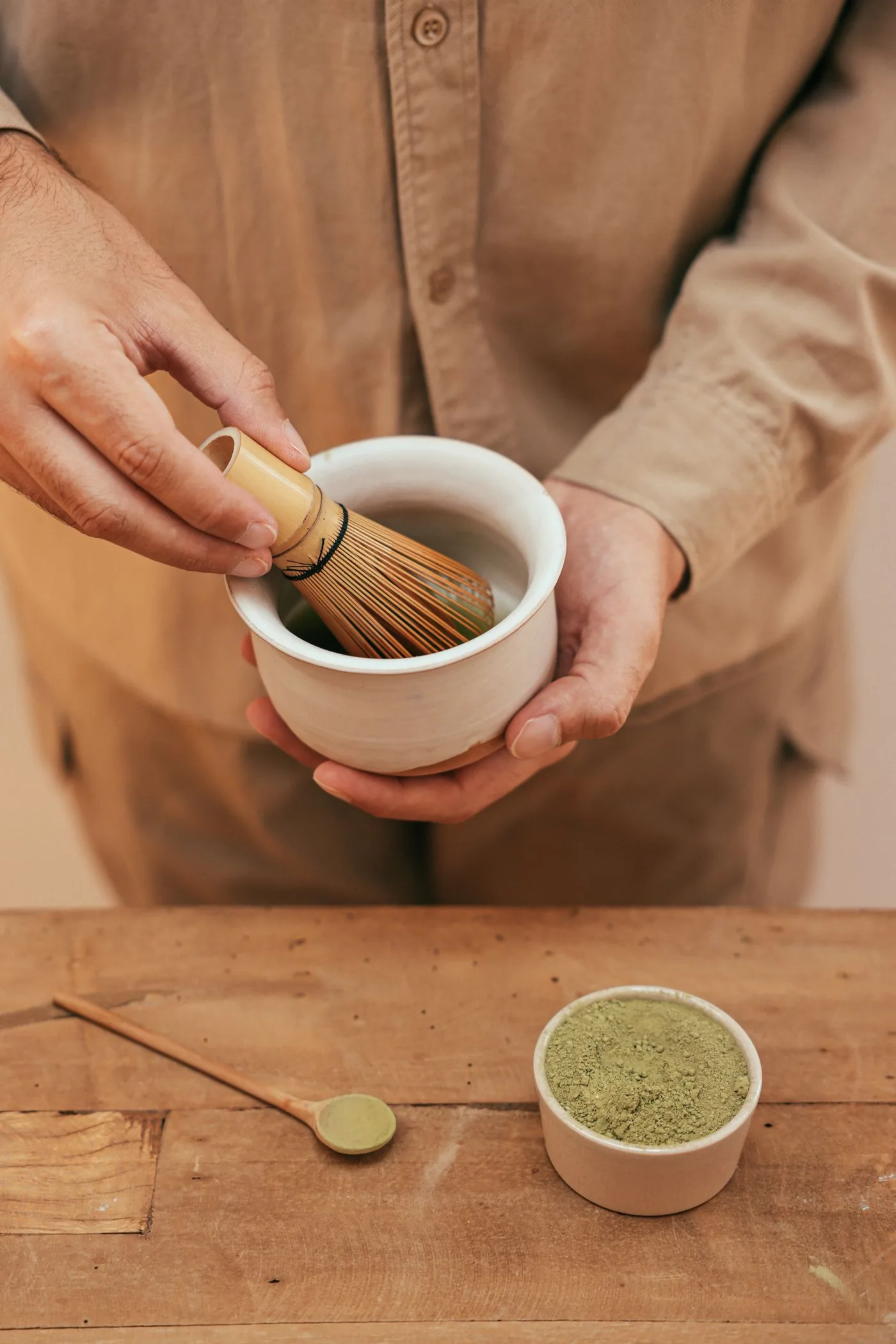
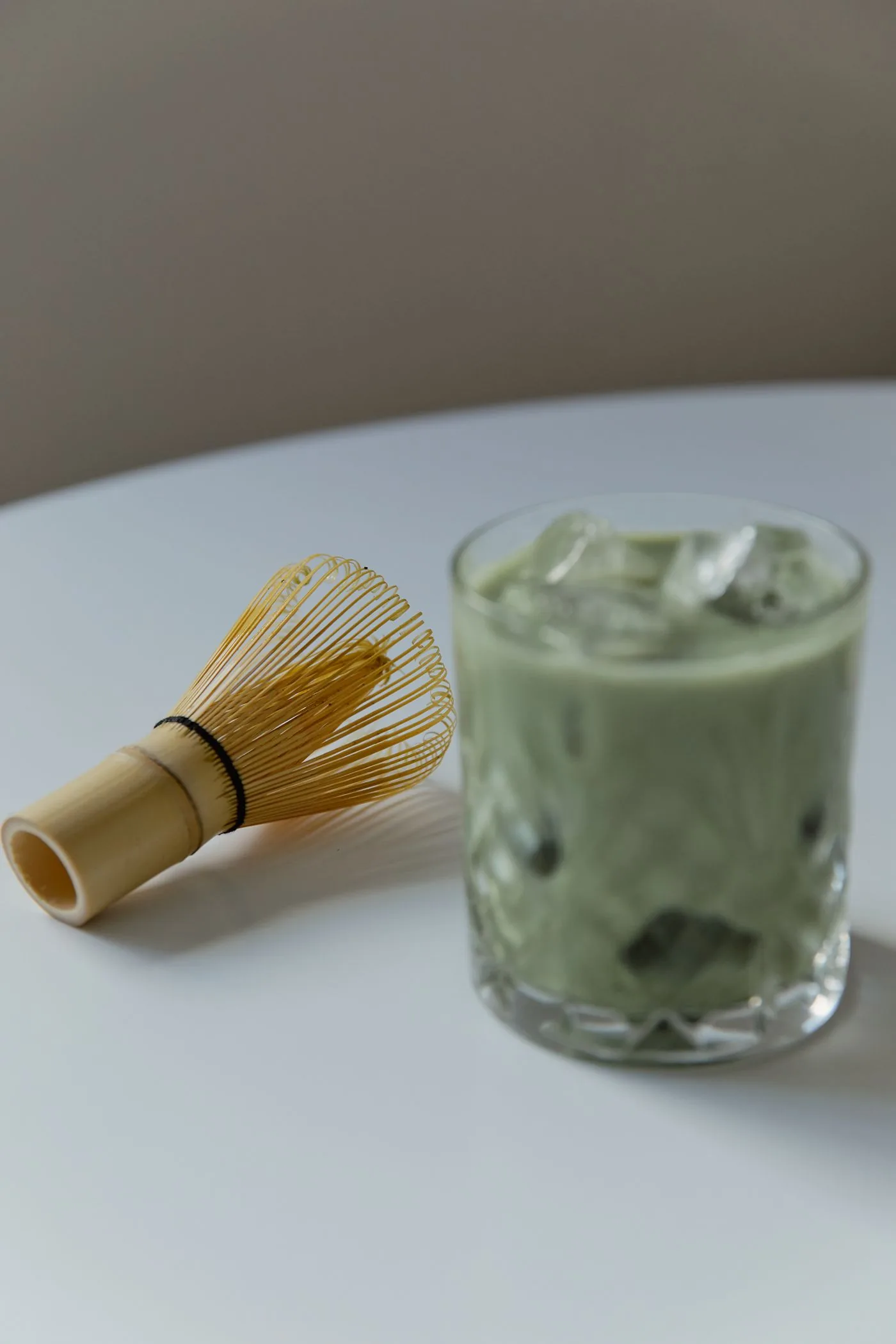
Roasted hojicha is another option, with a different aromatic character from breakfast tea. Ippodo publishes a specific hojicha-with-milk method rather than treating its standard plain-tea recipe as interchangeable. Matcha has its own mixing technique; see how to make matcha if a powdered-tea latte is the drink you have in mind.
Brew the tea before adding milk
For an uncomplicated black-tea mug, follow the packet’s leaf quantity, temperature, and infusion time using water first. Remove the bag or basket when brewing finishes, then add milk. UKTIA also recommends removing a bag before adding milk when brewing in a mug. This gives you a clear stopping point and makes the next cup easier to repeat.
Let the leaves extract properly rather than pouring cold milk into the brew immediately and trying to compensate with a much longer wait. If you like a lot of milk, choose a supplier recipe designed for that style or increase the dry-leaf quantity modestly within the product guidance. Do not assume that leaving any tea for ten extra minutes creates a better base.
Find your balance with small additions
Make the first cup at your usual volume and taste a small sip before adding anything. Then add milk in a measured splash, stir, and taste again when it is comfortable to drink. Note how much gives the texture and tea flavor you want. You do not need to weigh every future splash; one measured trial simply helps you find a repeatable reference.
If the cup becomes watery, look at both the tea base and the milk quantity. If it is strong but rough, extending the brew further is unlikely to solve the balance. Change the dose or try another suitable tea. Our breakfast black tea guide helps narrow down those choices without assuming stronger always means better.
Try roasted tea with a purposeful recipe
Ippodo’s published hojicha-with-milk method uses 15 grams of leaves with 200 milliliters of boiling water, brews for at least a minute, and then adds milk to taste. That is a concentrated supplier recipe, using a different ratio from its standard plain hojicha. It illustrates why a latte-style drink needs a deliberate base.
You can follow the maker’s instructions with your own tea rather than borrowing that quantity for every product. Brew into a suitable heat-safe vessel, strain completely, and add warm or cold milk as your recipe requires. If using a milk frother, follow its maximum fill and cleaning instructions. Foam is optional; a smooth, well-balanced drink does not require it.
Handle dairy and alternatives with the same care
Choose the milk or plant-based drink you actually enjoy. Its sweetness, thickness, and flavor can change the final cup, so assess it with the tea rather than relying only on how it tastes alone. Check ingredient and allergen information, particularly if serving someone else. A “barista” label may relate to foaming behavior, but it is not a promise that every tea will taste better.
Keep opened milk and perishable alternatives refrigerated as directed on the package. Prepare a manageable portion, and clean pitchers and frothers promptly. For cold milk tea, keep the drink cold rather than leaving a large jug on the counter through an afternoon of occasional top-ups.
Buying advice: solve the base before buying accessories
Start with a small packet of tea described for milk and clear brewing instructions. Compare the suggested dose, package quantity, and shipping cost. A larger bag only makes sense once you know the blend works in your actual cup. Avoid buying solely for a dramatic strength claim when you are looking for balance.
A basket infuser, a suitable mug, and an ordinary kettle may be all you need. Buy a frother if you regularly want foamed milk, not because a recipe photograph includes one. If you share milk tea with several people, a pot sized for the household can be more useful than specialist latte equipment.
Two common questions
Is milk first or tea first always correct?
For a mug brewed with a bag or basket, brewing in water, removing the leaves, and adding milk afterward is a straightforward controlled method. Pouring finished tea from a pot creates a different situation. Choose a safe, repeatable sequence that gives the flavor you like.
Can I add milk to green tea?
You can experiment, but a delicate infusion may be overwhelmed. Matcha and roasted hojicha have established milk-drink recipes that offer a clearer starting point. Follow a suitable method instead of assuming your usual plain green tea needs only a large splash of milk.
TAKE THE NEXT STEP
Compare the details before you buy.
Read the current product description, brewing or care instructions, delivery terms, and returns policy. These links open the retailer’s own website; the photograph above does not represent a specific product.
Sources & further reading
Supplier instructions and primary references informing this guide. Specific products and guidance can change; confirm current details before buying.
- UK Tea & Infusions Association: The Perfect Brew · Checked 2026-11-14
- Ippodo: Hojicha with Milk · Checked 2026-11-14
A correction or a question? Get in touch.