Tea Leaves · THE WUZHISHAN JOURNAL
A Practical First White Tea, Without the Ceremony
Learn how to choose and enjoy white tea at home, from a small first pack to a repeatable everyday mug brew, with clear advice on flavor, value, and storage.
This guide includes retailer links. Links marked “affiliate” may earn us a commission at no extra cost to you. Read our link disclosure and editorial policy.
In this guide
You want a cup for the quiet stretch between finishing lunch and beginning the afternoon’s work. Something plain, interesting, and comfortable to drink without milk. White tea might fit that moment, but the range of silvery buds, large leaves, and compressed cakes can make a first order harder than it needs to be.
Begin with a small pack that tells you what the tea is and how to brew it. You do not need to start a collection or learn an entire grading vocabulary to decide whether you enjoy the cup.
Understand the category without overpromising the flavor
White tea is a processing category rather than a promise that the liquid will look almost colorless. Different leaf material, production choices, age, and preparation can produce quite different experiences. Some offerings emphasize buds; others contain more visible leaves. The final cup may be subtle, floral, hay-like, fruity, or fuller than its appearance suggests.
Those broad descriptions are not a substitute for a specific listing. Read the producer’s notes and look at the ingredient list, especially if you want unflavored tea. A white tea blended with fruit or flowers may be pleasant, but it answers a different question from a plain leaf.
Supplier guides, including Harney & Sons’ introduction, are useful for understanding terminology. Their descriptions remain commercial perspectives, and your preference is the deciding factor.
Choose a first pack you can use comfortably
A loose-leaf format is straightforward for a first purchase because you can measure a portion without separating a compressed cake. Choose the pack size for your likely routine rather than the largest discount. A tea you drink twice a week moves through a cupboard differently from one you make every morning.
Bud-focused teas can be attractive, but appearance alone does not establish better value for you. A leafier style may offer the flavor and body you prefer at a more comfortable everyday cost. Compare equal weights, delivered cost, and the information supplied with the tea.
If several styles interest you, look for sample quantities. Our guide to buying a useful tea sampler explains how to avoid a collection that is too broad to teach you anything.
Brew the actual tea, rather than a rule about delicacy
Do not assume every white tea requires the same cool water and very brief infusion. Sellers may recommend different methods for different teas. Start with the directions for the specific pack and keep your water volume consistent.
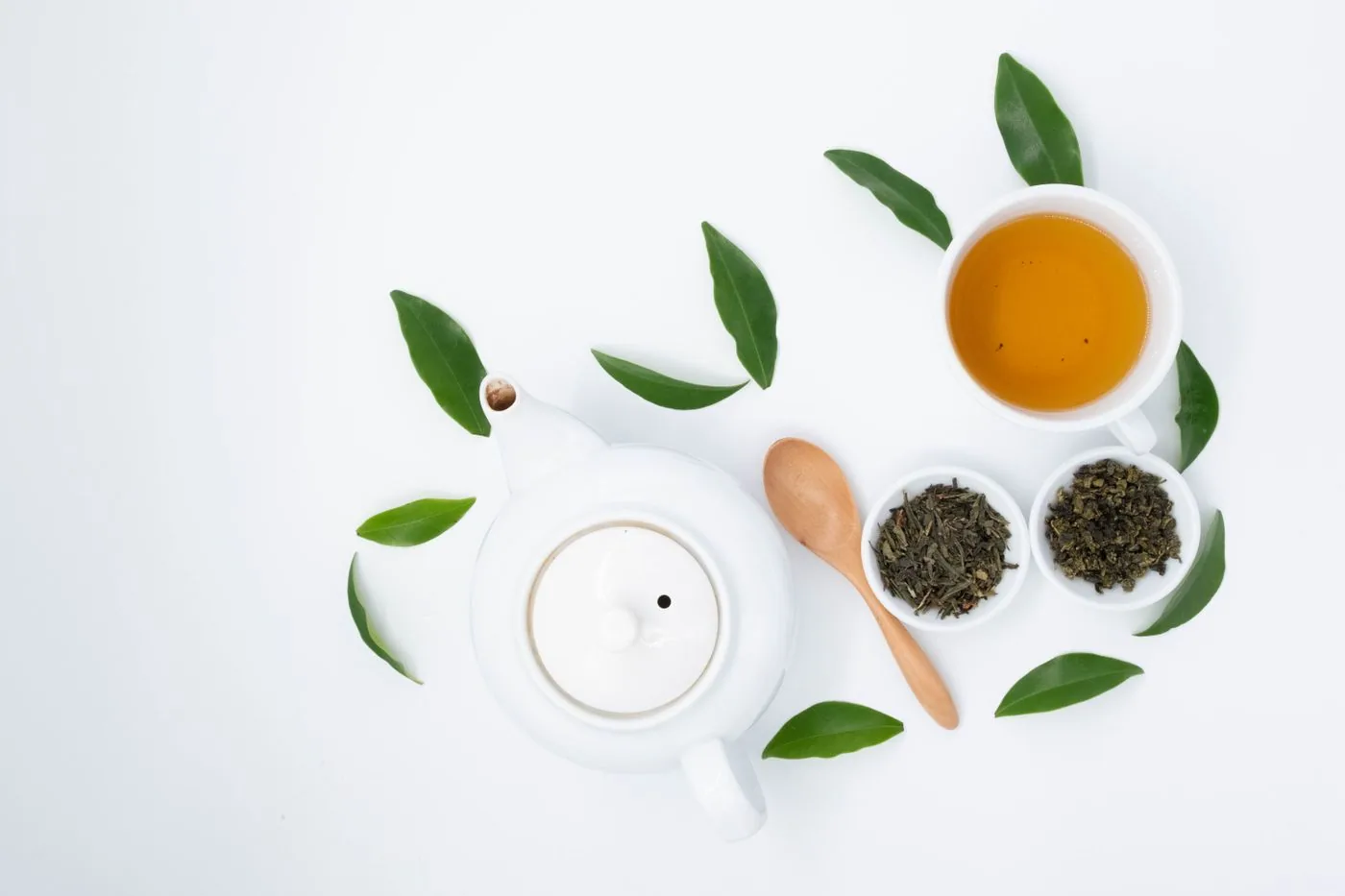
Use a roomy basket or teapot. Large, light leaves can look like a generous portion while weighing less than you expect, so a small scale is helpful if you already have one. If you use a spoon, treat it as a repeatable household measure rather than a universal conversion between all white teas.
Set a timer, separate the leaves from the finished infusion, and allow the tea to cool to a comfortable drinking temperature. A quiet first comparison is more useful than tasting it while eating something strongly flavored.
If the cup seems faint, check the portion and water volume before dismissing the tea. On the next brew, change one variable. If it is rough or drying, reconsider the time or temperature according to the seller’s guidance. Our tea temperature guide provides a framework for making those adjustments.
Notice what makes you reach for another cup
You do not need a formal tasting sheet. Write down whether the tea feels light or full, whether the aroma appeals, and whether you want to drink it again at the same time tomorrow. Those notes form a useful buying brief.
Try a second infusion during the same session if the seller suggests it. Drain the vessel fully between pours and taste rather than expecting a fixed number of cups from every leaf. Repeated infusions are an option, not a test of whether you bought a worthy tea.
Pay attention to your setting too. A subtle tea may be more enjoyable at a quiet table than beside a strongly scented meal. If you want a bolder breakfast drink, choosing a different category can make more sense than trying to make white tea perform that role.
Buying advice: avoid paying for a story you cannot assess
Prioritize clear identification, practical brewing instructions, a sensible pack size, and storage information. TeaVivre’s white-tea collection is one place to compare styles; read each current listing for the details rather than assuming the category page describes every product equally.
Skip large purchases made mainly on claims about prestige, age, or rarity. If you cannot explain why a particular feature matters to your cup, it does not need to drive your first order. This is especially useful when a listing emphasizes collecting rather than ordinary drinking.
Keep the tea sealed and away from heat, moisture, light, and strong odors. Follow the seller’s storage guidance. Deliberately aging tea requires more knowledge than leaving an open bag in the kitchen, so do not treat forgotten storage as an improvement strategy.
Questions before your first cup
Is white tea lower in caffeine than every other tea?
Do not assume so. White tea contains caffeine, and leaf material, quantity, and preparation all affect the cup. A pale brew is not a dependable caffeine measurement. Choose a clearly labeled caffeine-free infusion if avoiding caffeine is your main requirement.
Should I add milk or sugar?
Taste the tea plain first so you can learn its flavor. After that, your preference is yours. If you regularly want a substantial amount of milk, a robust black tea may offer an easier match than repeatedly strengthening a delicate white tea.
TAKE THE NEXT STEP
Compare the details before you buy.
Read the current product description, brewing or care instructions, delivery terms, and returns policy. These links open the retailer’s own website; the photograph above does not represent a specific product.
Sources & further reading
Supplier instructions and primary references informing this guide. Specific products and guidance can change; confirm current details before buying.
- TeaVivre: White Tea Collection · Checked 2026-11-14
- Harney & Sons: What Is White Tea? · Checked 2026-11-14
A correction or a question? Get in touch.