Brewing Guides · THE WUZHISHAN JOURNAL
Resteeping Tea Leaves: When a Second Cup Is Worth Making
Get more enjoyment from tea leaves during the same session. Learn how to drain, adjust the next infusion, and decide when a fresh cup is the better choice.
This guide includes retailer links. Links marked “affiliate” may earn us a commission at no extra cost to you. Read our link disclosure and editorial policy.
In this guide
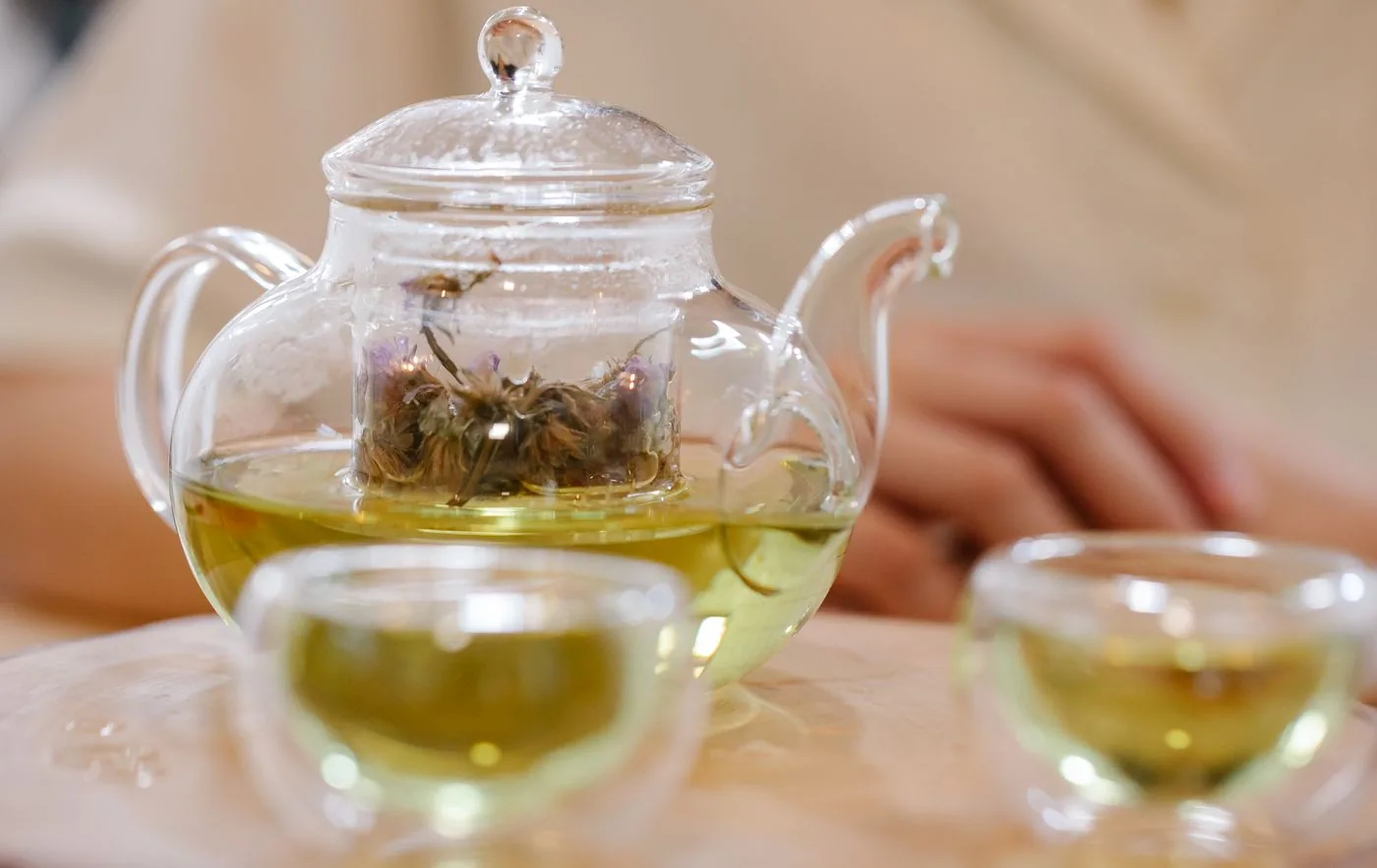
The first pot is finished, but you are still reading and the leaves have only just opened. This is a good moment to try a second infusion. It may taste different enough to be interesting, and the extra cup does not need another scoop of dry tea. The useful question is whether you enjoy it, rather than whether a packet promises a particular number of steeps.
Resteeping means adding fresh water to leaves already used for an infusion. It works most comfortably as part of one continuous tea session, with the brewer drained between rounds. It is not a reason to keep yesterday’s wet leaves sitting by the sink.
Begin with tea that has clear instructions
Your supplier may describe several infusions for an oolong, sencha, or another loose-leaf tea. That gives you a sensible starting point. Ippodo’s standard sencha guide explicitly suggests that its leaves can be resteeped once or twice after the first infusion. This is advice for that tea and method, not a guarantee for every green tea.
Leaf shape, quantity, the first brew’s strength, and your preference all affect the next cup. A heavily extracted first mug may leave less that you want from a second. A concentrated small-pot session can produce a different sequence from a large pot steeped for several minutes. Compare methods only when the recipe context is clear.
Finish the first infusion properly
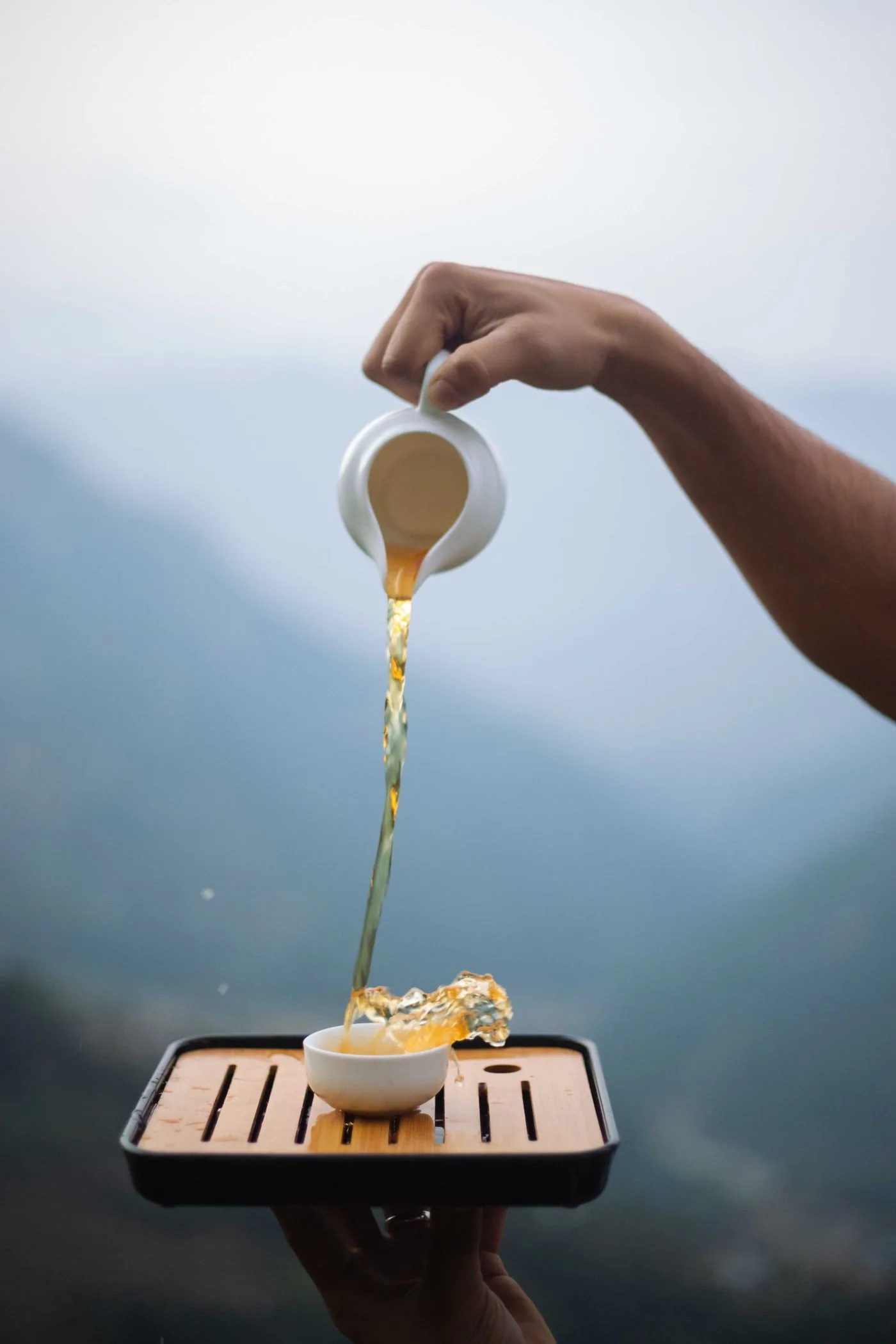
Remove the basket from a mug or pour the pot fully into a cup or pitcher. Leaving the leaves sitting in a puddle continues extraction between rounds. It can make the next pour harder to predict, especially when you are trying to compare timing.
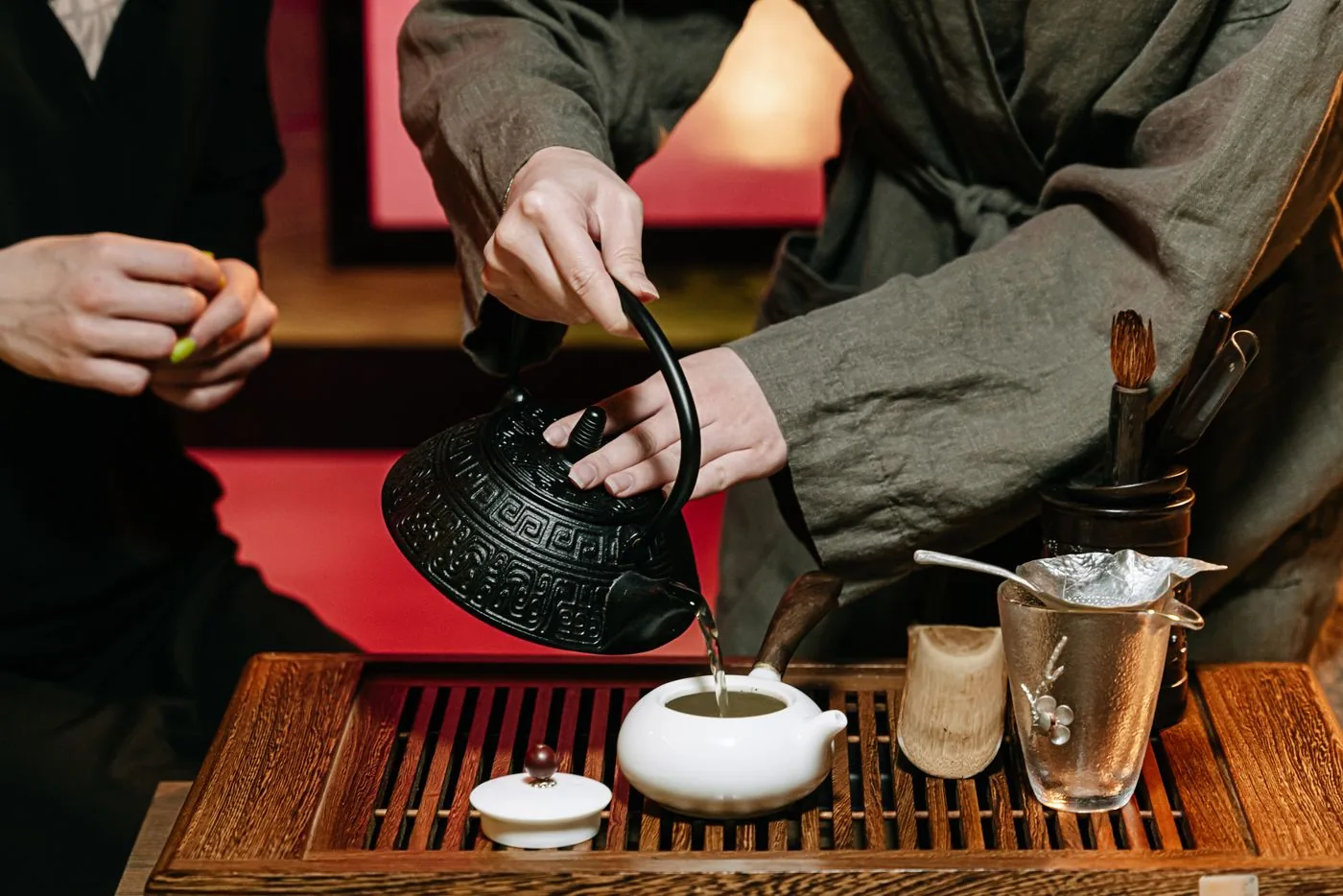
Use a suitable dish for a wet basket and keep the setup stable. For a small-pot session, a serving pitcher makes it easier to drain the brewer and share the finished infusion evenly. TeaVivre explains that role in its gongfu equipment guide. Our gongfu tea introduction shows how to use a modest set without buying every traditional accessory.
Adjust the second infusion by tasting
There is no single instruction to “double the time” that reliably suits every tea. Leaves that have already hydrated can release flavor quickly, while other teas need a longer later steep. Follow the seller’s sequence when one is provided. Otherwise begin with a modest adjustment and taste the result before making a third cup.
- Confirm the leaves were freshly brewed in the current session and drained between pours.
- Add fresh potable water at a temperature appropriate for that tea.
- Time the infusion instead of leaving it indefinitely while you become distracted.
- Pour it out completely, allow a sip to cool, and decide whether the cup is enjoyable.
- Stop when the result is thin, unpleasant, or simply more tea than you want.
If you prefer a mild second cup, there is no need to keep extending time until it resembles the first. A change in character can be the point. Note the second infusion separately so you do not confuse it with a fresh-leaf recipe tomorrow.
Keep the session’s handling history simple
Make the next infusion while you are still sitting down to tea. If plans change and the leaves have been forgotten for an uncertain period, use fresh tea rather than inventing a rescue method. A quick hot-water rinse should not be treated as proof that old wet leaves are safe to drink.
When the session is over, discard the leaves and wash the brewer according to its maker’s instructions. Clear mesh and spout openings so small particles do not remain stuck inside. Dry the pieces appropriately before storing them. Good cleanup makes tomorrow’s first cup more appealing than squeezing one last weak infusion out of today’s purchase.
Buying advice: compare enjoyable cups, not theoretical steeps
A tea that makes two cups you love can be a better personal purchase than one advertised as lasting many rounds that you do not enjoy. Compare package quantity, recommended dose, shipping, and your own likely routine. Do not calculate a bargain by assuming every promised infusion will replace a cup you otherwise wanted to drink.
For equipment, choose a pot that drains well or a basket that lifts out cleanly. Rolled leaves need room to open, and fine particles may call for an appropriate filter. A clear, practical brewing guide is a useful product feature too. If you are still learning your preferences, a tea sampler may teach you more than a large bag bought mainly for its resteeping claim.
Two common questions
Does every loose-leaf tea deserve a second infusion?
No. It is fine to try, but flavor is the useful judge. Some blends lose their most appealing aroma quickly, and some first brews already extract the strength you want. Stop when the next cup is no longer enjoyable rather than trying to meet a fixed target.
Can I leave the leaves in the mug and keep topping it up?
That is a different brewing style, with continuous extraction and changing strength. For an easy beginner method, removing or fully draining the leaves gives more control. If you prefer top-ups, choose a tea and supplier method suited to that approach, and keep it within a fresh, continuous session.
TAKE THE NEXT STEP
Compare the details before you buy.
Read the current product description, brewing or care instructions, delivery terms, and returns policy. These links open the retailer’s own website; the photograph above does not represent a specific product.
Sources & further reading
Supplier instructions and primary references informing this guide. Specific products and guidance can change; confirm current details before buying.
- Ippodo: Standard Sencha Brew and Resteeping Advice · Checked 2026-11-14
- TeaVivre: How to Properly Use a Gongfu Ceremonial Tea Set · Checked 2026-11-14
A correction or a question? Get in touch.