Teaware · THE WUZHISHAN JOURNAL
Tea Storage That Fits a Real Kitchen
Choose sensible tea storage for a busy kitchen: opaque containers, dry tools, useful labels, and smaller purchases that protect flavor without elaborate gadgets.
This guide includes retailer links. Links marked “affiliate” may earn us a commission at no extra cost to you. Read our link disclosure and editorial policy.
In this guide
The tea shelf begins neatly: a tin of breakfast tea, a pouch of green tea, and a new blend from a weekend shop. Then a clipped bag migrates beside the spice jars and a beautiful glass canister takes a sunny windowsill. Tea storage becomes easier when the system follows the kitchen you have, not a photograph of an ideal pantry.
For everyday dry tea, the practical goals are straightforward: keep it dry, close it properly, and protect it from unnecessary light, heat, and strong smells. The container is only one part of that routine.
Start with the package you already own
Many teas arrive in a resealable pouch, a foil inner bag, or a tin with an inner liner. Read the supplier’s directions before moving the leaves. An intact package that closes well may do its job perfectly inside a cupboard, and transferring it can remove useful labeling.
Ippodo’s matcha guidance, for example, recommends an opaque, tightly sealed container away from strong odors and heat, while also explaining how the original foil bag can remain useful. That is guidance for its tea, not a reason to decant every tea into a new canister.
Choose a sensible location first
Look for a dry cupboard away from the stove, dishwasher steam, and direct sunlight. Keep tea separate from strongly aromatic coffee, spices, and cleaning products. A location you can reach easily encourages you to close and return the package properly after each use.
Avoid storing tea directly above a kettle that releases steam. A handsome lid is little help if the contents are exposed to moisture whenever you scoop. Let wet brewing tools stay on the preparation side of the counter, and use a clean, dry scoop for the tea.
Compare closures rather than slogans
An attractive lid does not establish how well a container seals. Check how it closes, whether a gasket can be cleaned or replaced, and whether the opening is easy to use without spilling leaves into the seal. If shopping in person, open and close it several times.
The word “airtight” is a useful feature to ask about, but it is not a promise of indefinite freshness. You introduce air whenever you open a container. Buying amounts you will use and keeping a simple rotation can matter more than adding a complicated pump or digital display.
Size the container to the tea
Tea leaves have different shapes and densities, so a volume listed in fluid ounces is not the same as a guaranteed weight of every tea. Check the seller’s measurements and compare with your existing package. Long, bulky leaves may need more room than a tightly rolled tea of the same weight.
A large empty canister encourages buying more than you intended just to fill it. Start with the amounts you enjoy finishing. Our tea sampler guide explains how smaller purchases help you learn preferences before committing to a larger supply.
Keep the useful information
Label the tea name, supplier, opening date, and any preparation notes. Retain the original best-before and batch information where supplied. If you transfer leaves, keep the original label or photograph it before discarding the packaging.
An opening date helps you judge how your own routine is progressing; it is not a universal safety deadline. Follow the supplier’s storage and quality guidance, and discard tea that has become damp, visibly moldy, or otherwise suspect. Do not treat dry-tea advice as permission to store brewed tea or wet leaves the same way.
Buying advice: keep the system small
Prioritize an opaque body, practical closure, accessible opening, and clear material and cleaning information. A plain tin can be more useful than a transparent display jar kept in daylight. If you love a glass jar, placing it inside a dark cupboard may make more sense than keeping it on show.
Skip decorative multipacks until you know how many teas you keep open at once. Different teas can stay in their own labeled pouches inside a tidy box. Avoid pooling unrelated batches just because the containers match: you lose the ability to track what you are drinking.
Vacuum mechanisms and specialty storage systems may suit particular needs, but they introduce seals, cleaning, and replacement parts. Ask what problem the item solves in your actual home before spending more. Retailer storage claims are useful to investigate, not a guarantee that every tea will retain a fixed flavor for a stated period.
Be cautious about refrigerator advice
Some suppliers provide specific cold-storage directions for particular teas and packaging. Follow those instructions rather than making refrigeration a rule for the whole shelf. Opening cold packaging can introduce moisture through condensation, and nearby food odors create another consideration.
If you are uncertain, ask the supplier about the exact tea and package. The online tea buying guide includes the questions worth checking before an order, including storage instructions and package sizes that match your consumption.
Frequently asked questions
Do I need to buy a tea tin immediately?
No. A suitable original package, closed properly and kept in a dry, dark cupboard, may be enough. Buy a container when it improves access, protection, or organization rather than because every tea shelf is supposed to have one.
Can I reuse an old food jar?
Only if it is appropriate for food storage, clean, completely dry, free of lingering odors, and closes well. Strong smells can be difficult to remove from some lids and seals. Keep the jar out of light if it is transparent.
TAKE THE NEXT STEP
Compare the details before you buy.
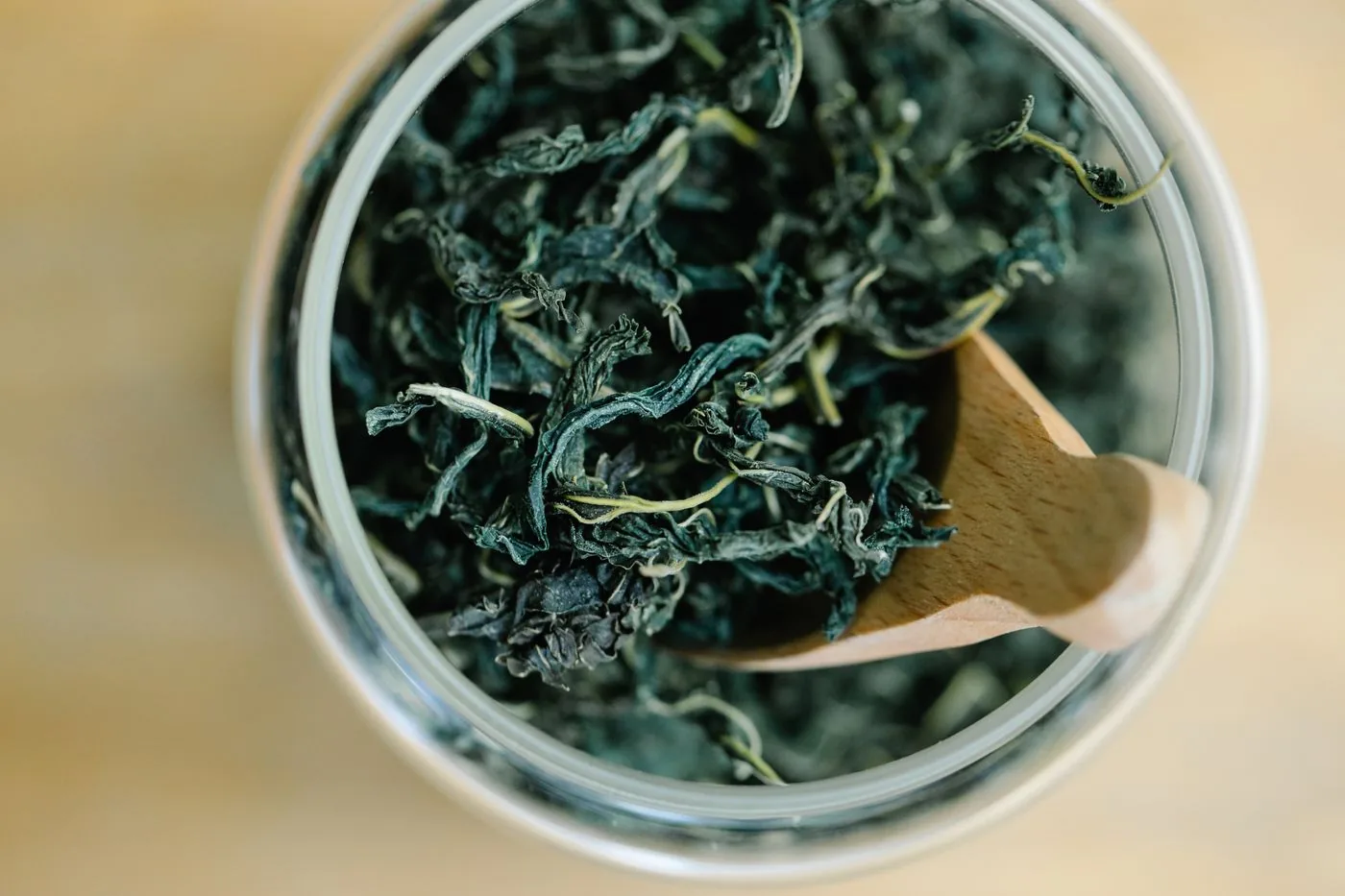
Read the current product description, brewing or care instructions, delivery terms, and returns policy. These links open the retailer’s own website; the photograph above does not represent a specific product.
Sources & further reading
Supplier instructions and primary references informing this guide. Specific products and guidance can change; confirm current details before buying.
- Ippodo guidance on keeping matcha fresh · Checked 2026-11-14
- Adagio tea storage tins · Checked 2026-11-14
A correction or a question? Get in touch.